Last updated: May 2026
Most DTC brands rely on a third-party logistics provider (3PL) to handle warehousing, picking, packing, and shipping. The legacy 3PL model, bulk inventory sitting in a domestic warehouse waiting to sell, solves part of the fulfillment problem and creates a new one: capital locked in stock, slow reaction time to demand, and margin eaten by storage and freight.
A 3PL is supposed to deliver two things: speed to the customer and order accuracy. Both depend less on the warehouse software and more on where your inventory sits relative to demand.
Below, we break down what a 3PL actually does well, where the model breaks, and what to look for when evaluating 3PL fulfillment against newer alternatives.
How does a 3PL keep order accuracy high?
Order accuracy directly affects retention. PwC's Customer Loyalty Survey found that 32% of customers will stop doing business with a brand they previously loved after a single bad experience (source: PwC Future of Customer Experience Survey). For Ecommerce brands operating on thin margins, one fulfillment error doesn't just cost the return, it costs the lifetime value of the customer.
3PLs keep customer satisfaction high by using a range of technologies and quality control measures for accurate order processing. Barcode scanning on each product, inventory management systems, and automated picking and packing reduce the chance of human error and produce a more positive customer experience.
They never skimp on quality control. Even after deploying the technology, they conduct regular audits and inspections by humans to ensure that everything is running smoothly. This can include checking that the stock count is correct, that outgoing packages have the right number of items, and that the labeling and packaging are accurate for efficient order fulfillment.
How 3PLs handle returns without eating your margins
Returns drain DTC margins more than most operators want to admit. The National Retail Federation reports the 2024 US return rate for online purchases reached 16.9%, totaling $890 billion in returned merchandise (source: NRF and Happy Returns, 2024 Consumer Returns Report). Apparel and beauty run higher.
A 3PL handles the mechanical part: receiving the return, inspecting the unit, restocking sellable items, and triggering the refund. That part is solved.
The part most 3PLs don't solve is the economics. If your inventory sits in a domestic warehouse and a unit comes back damaged, you've already paid:
- Ocean freight to get it stateside
- Duties on the way in
- Storage while it waited to sell
- Outbound shipping to the customer
- Reverse shipping back to the 3PL
A returned unit in the legacy model has five cost layers baked in before you decide whether to resell it, liquidate it, or write it off.
Direct fulfillment changes this calculus. With Portless, defects get caught at receiving in the same city as the factory, before air freight, before duties, and before the customer ever sees the product. The factory fixes it the next day. That's a cost layer most brands didn't realize they were paying, and it ties directly into sustainable logistics practices by eliminating the carbon cost of moving defective inventory across an ocean before discovering it's defective.
How does tracking visibility work in 3PL fulfillment?
Have you ever ordered a product and wanted to know exactly where it was and when it was getting to you? You most likely put your order number into a system and saw where your parcel was and the expected delivery date. This is called tracking visibility: real-time updates on where a package is and when it will arrive. For DTC brands, tracking visibility cuts Where Is My Order (WISMO) support tickets, which industry research consistently identifies as one of the top drivers of Ecommerce support volume.
When customers can track their orders, they have better peace of mind about what they've ordered and that it isn't getting lost during delivery. It's also a form of effective communication, as it gives the customer a delivery time and updates on the order without them having to contact customer support directly. When the tracking updates are accurate, it can also help customers develop a stronger sense of trust in your brand and choose you over other businesses with similar products.
You might be thinking about how to implement real-time supply chain visibility, but with a 3PL provider, you don't have to worry. They do it all for you by using advanced tracking systems. Not only can you provide the tracking number to the customer, but you can follow the orders yourself. They can also set up order tracking portals and automated notifications that update customers on the status of their orders.
What shipping options should a 3PL offer?
Most operators assume "more shipping tiers" equals better customer experience. It doesn't. Delivery speed is determined by where your inventory sits relative to the customer, not by which carrier label you slap on the box.
A 3PL with one US warehouse in Kentucky cannot offer fast delivery to California, no matter how many shipping options sit in its dropdown. Customers in zone 8 pay the most and wait the longest. That's a structural problem, not a configuration problem.
What actually matters in a 3PL's shipping setup:
- Carrier diversification. Single-carrier 3PLs break during peak. Portless routes across 20+ last-mile carriers and selects dynamically based on real-time performance.
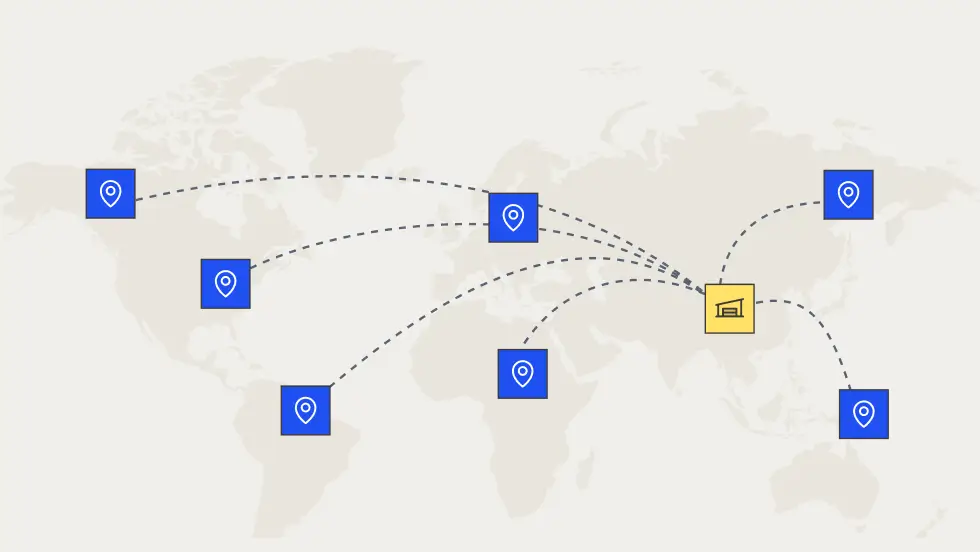
- Zone proximity. The closer your inventory is to the customer at the moment of order, the cheaper and faster the delivery. Direct fulfillment ships from the point of manufacture, then injects packages into the destination country's last-mile network. For context on why this shift matters, see how Ecommerce reshaped last-mile logistics.
- DDP capability. For international orders, a 3PL that can handle Delivered Duty Paid avoids the customs surprise that kills repeat purchases.
The right question isn't "what shipping tiers do you offer." It's "how do you get a package from production to my customer in five to eight days without me carrying six months of inventory."
How 3PLs cut order processing time
Processing time is the gap between when a customer clicks buy and when the package leaves the building. In a healthy 3PL, that gap is hours, not days.
Three things drive it:
- Same-day cutoff. Orders placed before the cutoff ship that day. A 3PL with a 12pm cutoff is faster than one with a 4pm cutoff only if the picking floor can actually handle the volume.
- Barcode scanning at every touchpoint. Each scan updates inventory in real time. Manual entry introduces errors that compound across thousands of orders.
- Direct routing to outbound. Orders that go from pick to pack to carrier zone without intermediate handling move faster and accumulate fewer errors.
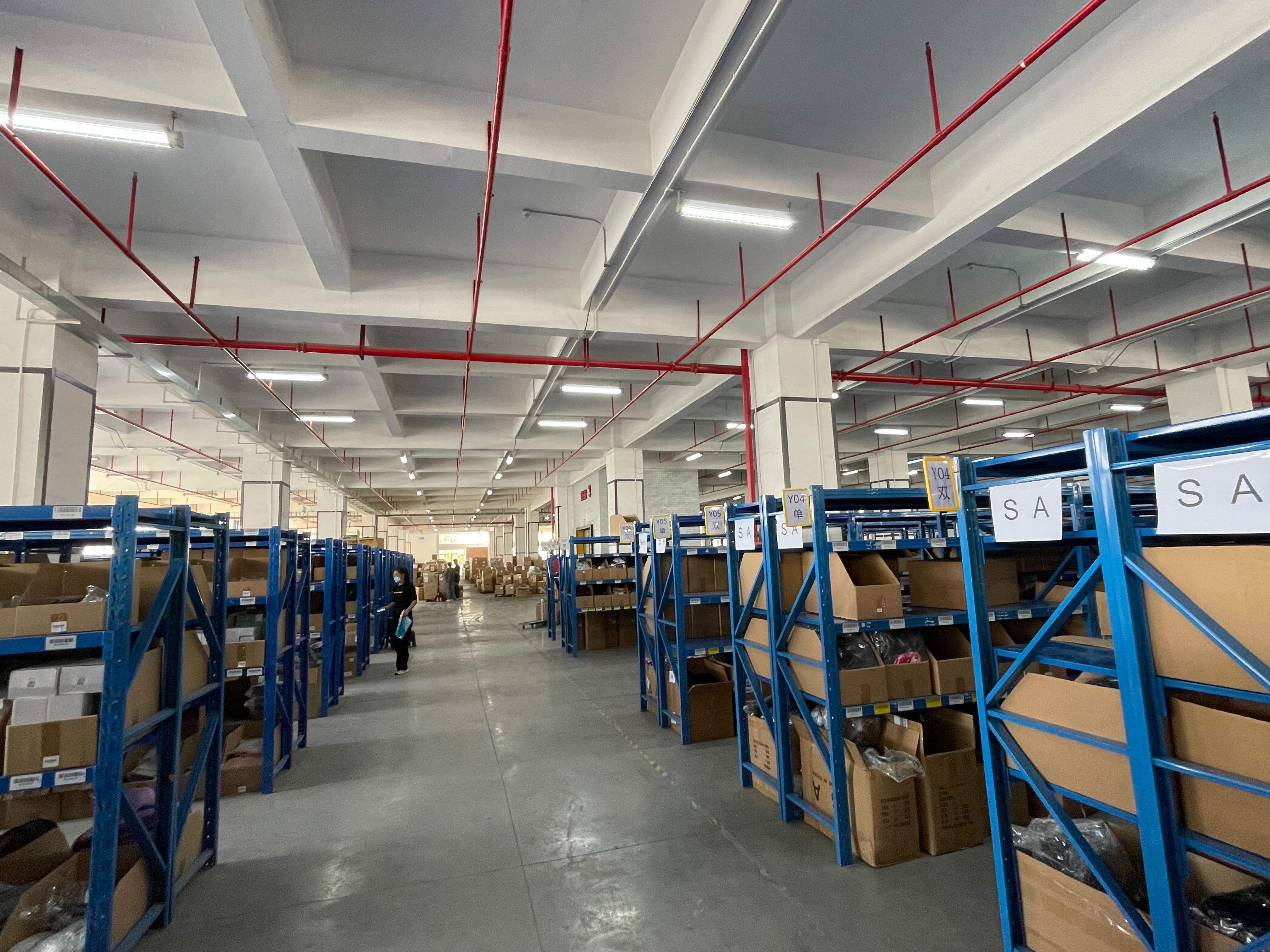
At the Portless Shenzhen facility, orders packed before the daily cutoff make same-day flights through Shenzhen or Hong Kong airport. Inventory becomes saleable within days of production, not months after a container clears a US port. That's the actual lever for processing time: the distance between production and the first packed order.
Want to see the full operational walkthrough? Read how direct fulfillment from China actually works.
3PL fulfillment vs. direct fulfillment: which model actually wins?
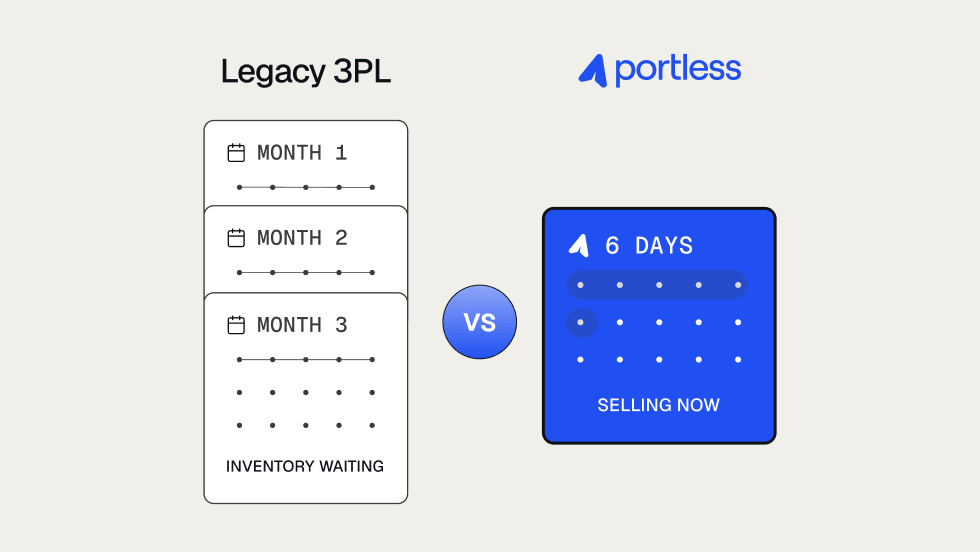
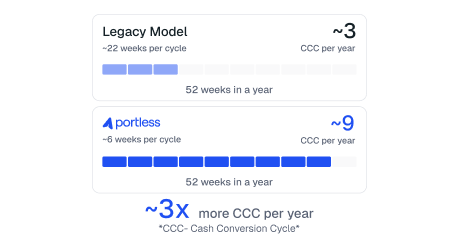
The legacy 3PL model solved a problem brands had 15 years ago: outsource warehousing, picking, and packing so you can focus on growth. It still does that. But it doesn't solve the structural cost of bulk inventory sitting in a domestic warehouse — capital locked in stock, six months of forecasting risk, and margin eaten by storage, ocean freight, and duties paid before a single unit sells.
Direct fulfillment changes the math. Inventory becomes saleable within days of production, packages ship from the point of manufacture, and you stop paying for warehouse space to store guesses about demand. If you want the full breakdown, read how direct fulfillment saves time and money and the operational walkthrough of direct fulfillment from China.
Portless powers direct fulfillment from manufacturers in China and Vietnam to customers in 85+ countries. We bypass the legacy 3PL model: no domestic warehousing, no bulk ocean freight, no capital tied up in months of inventory. Brands using Portless cut lead times by up to 90%, improve cash flow by making inventory saleable days after production, and ship in five to eight days.
Before signing with any provider, work through the complete 3PL evaluation checklist.
The 3PL question is really a model question
Picking a 3PL isn't really about picking a warehouse, it's about picking a fulfillment model. The legacy model costs you cash flow, lead time, and margin you'll never see on the invoice. If you want to understand what direct fulfillment would change for your specific cost structure, you can talk to our team and walk through the numbers.







.jpg)