Last updated: May 2026
Container shipping costs have reshaped global supply chains over the last five years. Container shipping rates peaked at more than 5x pre-pandemic levels in 2021, with the Drewry World Container Index hitting $10,377 per 40-foot container in September 2021 vs. roughly $1,500 in 2019. Rates have since eased but remain volatile and structurally above pre-2020 baselines. Below are the actual drivers and the alternatives worth modeling.
The global container conundrum: lingering effects of a pandemic
Container shortages from the pandemic resolved by 2023, but the underlying volatility didn't. Today's rate pressure comes from a different set of drivers: Red Sea rerouting, proposed US port fees on Chinese-built vessels, carrier alliance consolidation, and shifting tariff policy. The reasons changed. The unpredictability didn't.
Factors driving skyrocketing prices
The journey to escalating container shipping costs is marked by several key factors.
1. High transportation costs
Fuel, capacity discipline, and rerouting drove per-container costs sharply higher.
Container shipping costs spiked above $10,000 per 40-foot container on China-to-US-West-Coast lanes at the 2021 peak, up from roughly $1,500 in 2019, according to the Drewry World Container Index. Rates have since eased but remain volatile.
Three forces keep rates elevated:
- Fuel costs, including the IMO 2020 low-sulfur fuel mandate, added a structural cost layer carriers don't absorb
- Red Sea attacks beginning in late 2023 forced major carriers to reroute around the Cape of Good Hope, adding 10 to 14 days and significant fuel burn per voyage, per Reuters
- Carrier alliances tightened capacity post-pandemic, holding rates above pre-2020 baselines even during demand softness
For DTC brands moving lightweight goods, this is the structural problem: you pay for ocean capacity that's getting more expensive, slower, and less reliable.
2. Labor woes
Port labor disputes add cost volatility you can't forecast around.
US port labor has become a recurring shipping cost risk. The International Longshoremen's Association (ILA) struck East and Gulf Coast ports in October 2024, the first ILA strike in nearly 50 years, and reached a tentative agreement that included a 62% wage increase over six years, reported by Reuters. Those wage costs flow into terminal handling fees.
West Coast ILWU contract negotiations in 2022–2023 caused similar disruptions, with brands rerouting inventory through East Coast ports at higher cost to avoid uncertainty.
The pattern: every contract cycle creates rate spikes, forced rerouting, and weeks of congestion. If your supply chain depends on a specific port, you're exposed to a negotiation outcome you don't control.
3. Ecommerce's surge
The digital age ushered in an era of unprecedented Ecommerce growth. Consumer demand surged, triggering a scramble for shipping containers. The outcome? Shortages that not only hinder supply but also push cargo shipping costs higher.
Navigating alternatives
Direct fulfillment removes ocean containers from your supply chain entirely.
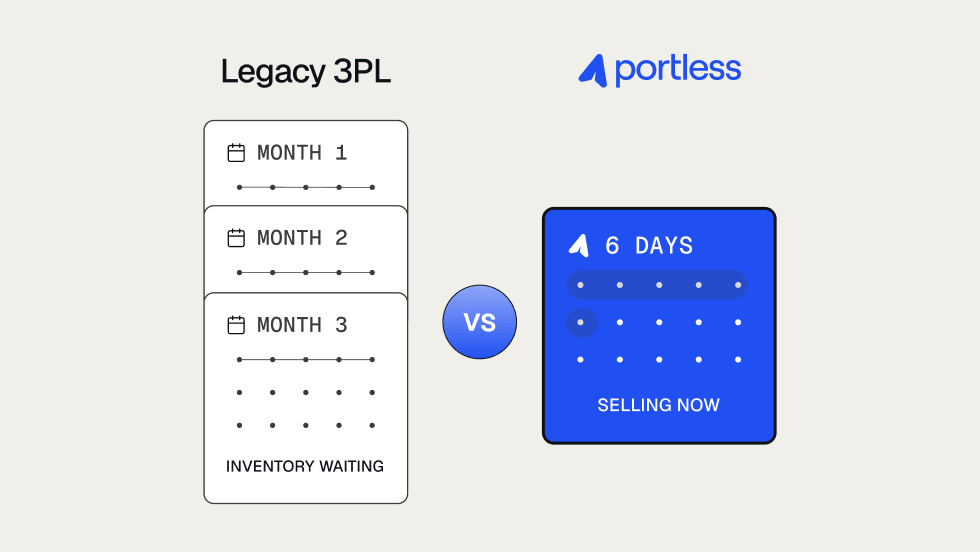
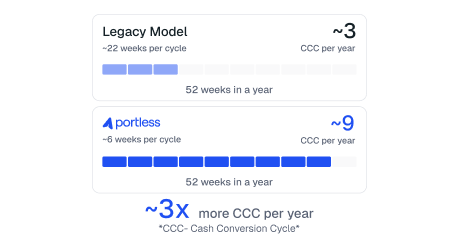
For DTC brands shipping lightweight goods (under 3.5 lbs), the legacy model of ocean freight, domestic 3PL warehousing, and upfront duties on the full container locks up working capital and exposes you to every rate spike, port dispute, and rerouting event.
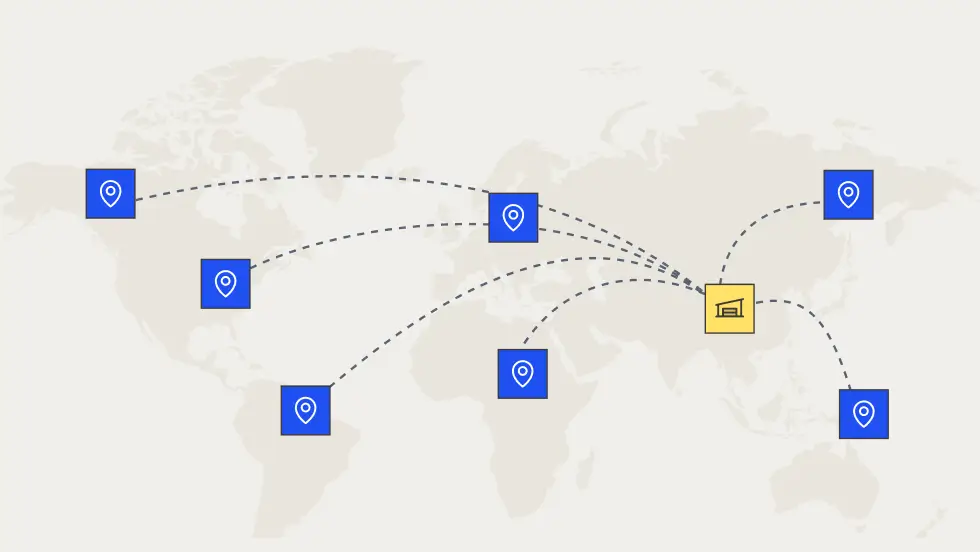
Direct fulfillment from China replaces that model. Inventory stays at the factory until an order is placed, then ships by air directly to the customer. The financial math changes:
- No container booking exposure to spot rate volatility
- No domestic warehousing cost on unsold inventory
- Duties deferred under a Delivered Duty Paid (DDP) model, paid only on sold units — see tariff deferment for Ecommerce brands
- Five to eight days delivery to 85+ countries
Use our direct fulfillment ROI calculator to model what removing container freight does to your cash flow and margins.
Are container shipping costs going down in 2026?
Container rates eased from their 2021–2022 peaks but remain structurally elevated and highly volatile. The Drewry World Container Index tracks weekly spot rates across major lanes.
Three near-term pressures keep rates from settling:
Planning a 2026 supply chain around stable container shipping costs is a bet against the evidence.
The container is the exposure
Rising container shipping costs aren't a temporary spike to wait out. They're the cost of operating a legacy supply chain built around ocean freight, domestic warehousing, and locked-up capital. Portless powers direct fulfillment from Asia to customers in 85+ countries, bypassing container freight and deferring duties until the unit sells. If container exposure is draining your margin, talk to our team about what direct fulfillment would change for your cost structure.
FAQ
How much does it cost to ship a container in 2026?
Container shipping costs range from $1,500 to $15,000 depending on size, route, and market conditions, according to industry data from Conexwest. The Drewry World Container Index tracks weekly spot rates and is the most reliable benchmark for current pricing.
Why are container shipping costs so high?
Container shipping costs reflect fuel prices, port congestion, carrier capacity discipline, geopolitical disruption, and demand spikes. Red Sea rerouting, US tariffs on Chinese-built vessels, and consolidated carrier alliances all push rates above pre-2020 levels.
Are container shipping costs going down?
Container shipping costs have eased from 2021–2022 peaks but remain volatile. The Drewry World Container Index sits well above 2019 baseline levels, and proposed US port fees on Chinese-built ships are expected to push rates up again.
How can DTC brands avoid rising container shipping costs?
DTC brands can avoid container shipping costs entirely by using direct fulfillment from Asia. Air freight per parcel bypasses ocean containers, eliminates port congestion exposure, and defers duties until the item sells.
What is the cheapest way to ship from China to the US for Ecommerce?
For lightweight Ecommerce products under 3.5 lbs, direct air fulfillment from China is typically cheaper per unit than ocean freight plus domestic 3PL, once you factor in warehousing, duties on unsold inventory, and tied-up working capital.







.jpg)
.jpg)
.jpg)