Last updated: May 2026
Disclaimer: this blog post is not legal advice and is for informational purposes only. Please seek guidance from your own legal counsel before utilizing any information you see here.
Did you know that adjusting your product's classification could significantly reduce the tariffs you pay? By shifting a product from a high-tariff category to a lower-tariff one, brands can find major cost savings, legally and strategically.
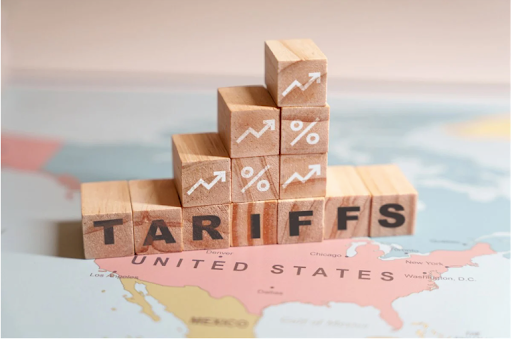
With the latest tariff increases, Ecommerce and DTC brands are searching for ways to minimize expenses. Tariff engineering might be the solution.
Tariff engineering is a strategic approach where importers legally minimize duty costs by designing or modifying products to qualify for lower-duty Harmonized Tariff Schedule (HTS) codes. It's not about evading tariffs — it's about understanding the system and optimizing within it.
Is tariff engineering legal? The 1881 Supreme Court case that settled it
Yes — tariff engineering is legal, and it has been for over 140 years. The concept was validated in the 1881 US Supreme Court case Merritt v. Welsh, 104 U.S. 694, which involved imported sugar. An importer added molasses to refined sugar, darkening its color to qualify for a lower tariff under the Dutch Standard Color test. Though customs argued the modification was manipulative, the Court ruled only Congress' specified test (color, not chemical analysis) could determine classification, validating strategic product modifications.
Key takeaway: if a product is legally classified under a lower-tariff code due to a design choice, it's compliant, even if the modification seems minor.
Tariff engineering example: how a product redesign cuts the duty rate
Real brands have used tariff engineering for decades. The examples below are public and well-documented.
Columbia Sportswear adds a small zippered pocket below the waist on certain women's shirts. That single design choice moves the garment from a higher-duty blouse classification into a lower-duty category. CNBC reported in June 2025 that Columbia has used this approach for years and continues to refine it as tariffs shift.
Converse added a thin layer of felt to the soles of its Chuck Taylor sneakers. That moved the shoe into the "footwear with textile outer soles" classification under HTS 6404, a meaningfully lower duty rate than rubber-soled footwear under 6402, according to the USITC Harmonized Tariff Schedule.
Ford Transit Connect was imported with rear seats and windows to qualify as a passenger vehicle (2.5% duty) rather than a cargo van (25% duty under the "chicken tax"). Ford then removed the rear seats domestically. CBP eventually challenged the practice, which is a reminder that tariff engineering must reflect the actual condition of the product at import, not a temporary disguise.
Tariff engineering vs. tariff evasion: where the line sits
Tariff engineering is legal. Tariff evasion is fraud. The difference comes down to whether the product, as imported, actually matches the classification you're claiming.
Tariff engineering: you change the product's real characteristics — material, function, composition — so it genuinely belongs in a different HTS code. CBP can inspect the goods and the classification holds up.
Tariff evasion: you misrepresent the product, undervalue it, or mislabel its country of origin. CBP penalties for evasion include duty back-payment, fines up to four times the unpaid duty, and potential criminal liability under 19 USC § 1592.
The Cornell Legal Information Institute draws the line clearly: tariff engineering is "the targeted design of a product's characteristics to reduce the associated tariffs on import." If the design change is real and the product is correctly classified, you're inside the law.
How to apply tariff engineering to your Ecommerce product line
Tariff engineering works when you treat it as a deliberate process, not a one-off product tweak. Here's the operator playbook.
Pull every SKU and confirm the HTS classification on file with your customs broker. Misclassification is common. Brands often inherit codes from a freight forwarder who never re-examined them. Cross-check against the
Don't try to re-engineer everything. Sort SKUs by annual duty paid. The top 20% by duty cost almost always represent 80% of your potential savings.
Is tariff engineering right for your DTC brand?
It's a fit if:
- You import $500K+ annually from Asia in categories with 15%+ duty rates
- Your products have design flexibility (apparel, accessories, home goods, electronics with mixed components)
- You sell at scale enough to absorb the customs broker and engineering review fees
It's not a fit if:
- You import under $100K annually, the overhead of a binding ruling and product redesign won't pay back
- Your products are commodity items with rigid specs (pure metals, raw materials, single-material goods)
- You're not willing to work with a licensed customs broker. DIY tariff engineering is how brands end up with CBP penalties
Pair tariff engineering with direct fulfillment to compound the savings
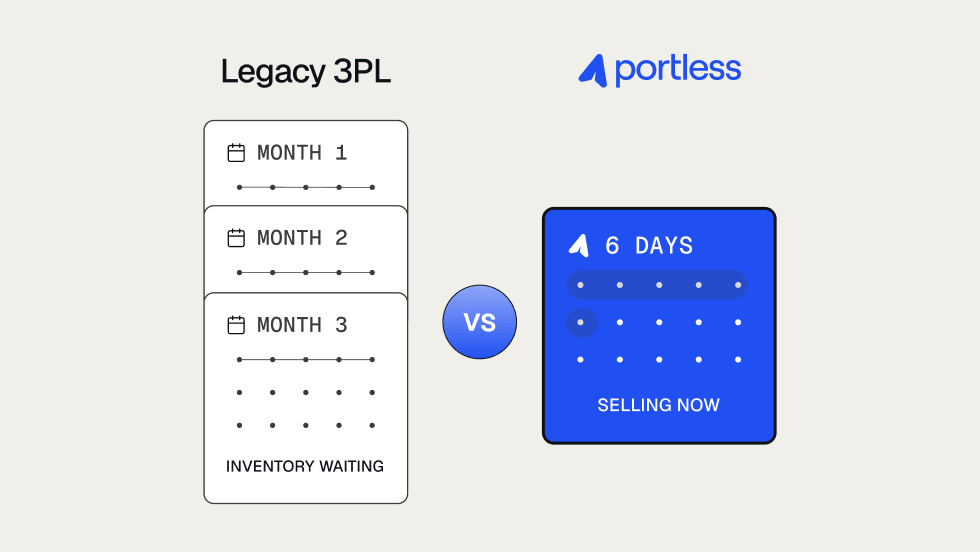
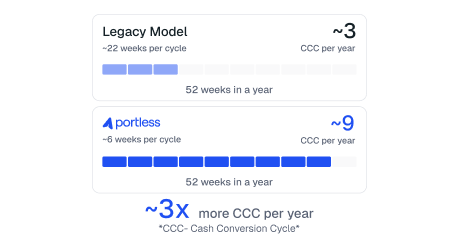
Tariff engineering lowers the rate. Direct fulfillment changes when you pay. Run them together and you cut both the duty bill and the working capital tied up in inventory. If your duty bill is meaningful and your products have any design flexibility, it's worth talking to our team about pairing an engineered HTS classification with direct fulfillment from Asia.
FAQ
What is tariff engineering?
Tariff engineering is the legal practice of designing, sourcing, or modifying a product so it qualifies for a lower-duty Harmonized Tariff Schedule (HTS) code. It is not tariff evasion. The US Supreme Court validated the practice in Merritt v. Welsh (1881), and CBP continues to recognize it today.
Is tariff engineering legal?
Yes. Tariff engineering is legal when the product's actual characteristics support the chosen HTS classification. The Cornell Legal Information Institute defines it as "the targeted design of a product's characteristics to reduce the associated tariffs on import" — distinct from evasion, which involves misrepresentation.
How does tariff engineering work in practice?
You alter a product's materials, structure, function, or composition so it falls under a different HTS code with a lower duty rate. Common tactics include swapping a primary material (steel to composite), adding a functional component, or changing fiber content in apparel to shift the classification.
What is a real example of tariff engineering?
Columbia Sportswear adds a small zippered pocket below the waist on women's shirts to reclassify them under a lower-duty HTS code. Converse historically added felt to the soles of sneakers to qualify them as slippers rather than footwear, dropping the duty rate significantly.
Who benefits most from tariff engineering?
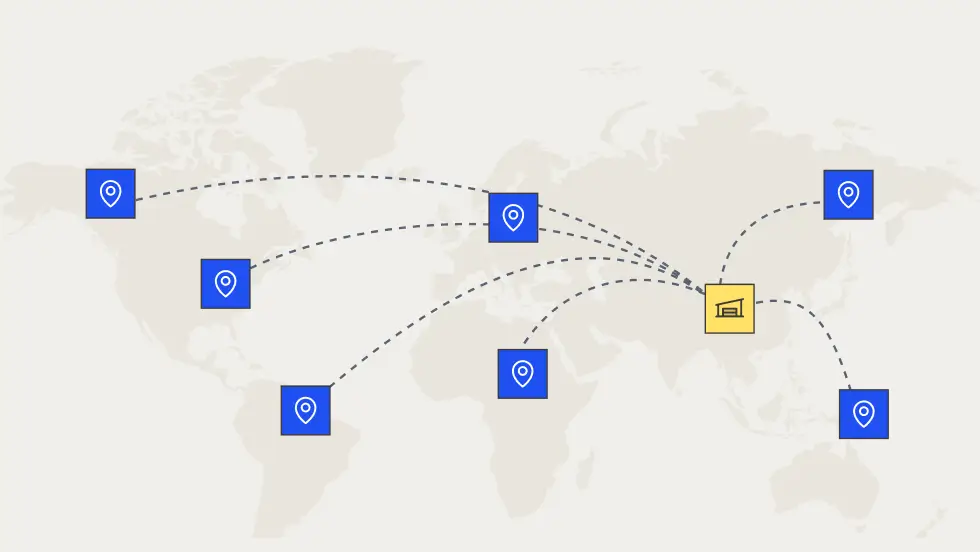
DTC and Ecommerce brands importing from China or Vietnam — particularly those shipping apparel, electronics, beauty, home goods, and toys — benefit most. The strategy compounds when paired with direct fulfillment, which defers duty payment until each item sells.







.jpg)
.jpg)
%20(1).jpg)