“We generated $70K in package protection revenue in a single quarter by adding a simple $4 protection option at checkout — plus an additional $12K from cashbacks. Customers get peace of mind, and we're making a profit on every protected order with zero effort."
“We generated $70K in package protection revenue in a single quarter by adding a simple $4 protection option at checkout — plus an additional $12K from cashbacks. Customers get peace of mind, and we're making a profit on every protected order with zero effort."
From 90 days to 24 hours: how Privacy Clo opened 17 new markets
From 90 days to 24 hours: how Privacy Clo cut its inbound cycle and opened 17 new markets
90 days → 24 hours
Inventory inbound and lead time
17 new countries
Markets opened (from ~90% Australia-only revenue)
4–5 hrs/day
Founder time reclaimed daily
Industry
Apparel
Products
Apparel
Headquarter
Australia / NZ
A conversation with
Ryan De Gennaro
Founder • Privacy Clo
Challenge: Operating an apparel brand from Perth, one of the most isolated major cities in the world, Privacy Clo was burning founder hours hauling boxes up stairs, losing entire days to a single printer outage, and waiting 90 days for sea-freight inventory while 70% of its customers sat five hours away on Australia's east coast.
Solution: Portless's direct fulfillment cut inventory inbounding and lead times from 90 days to 24 hours, unlocked daily air freight from China by state, and turned what was a Perth-based Australian brand into one selling to 17+ new countries — including the US, UK, Japan, and Saudi Arabia.
About Privacy Clo
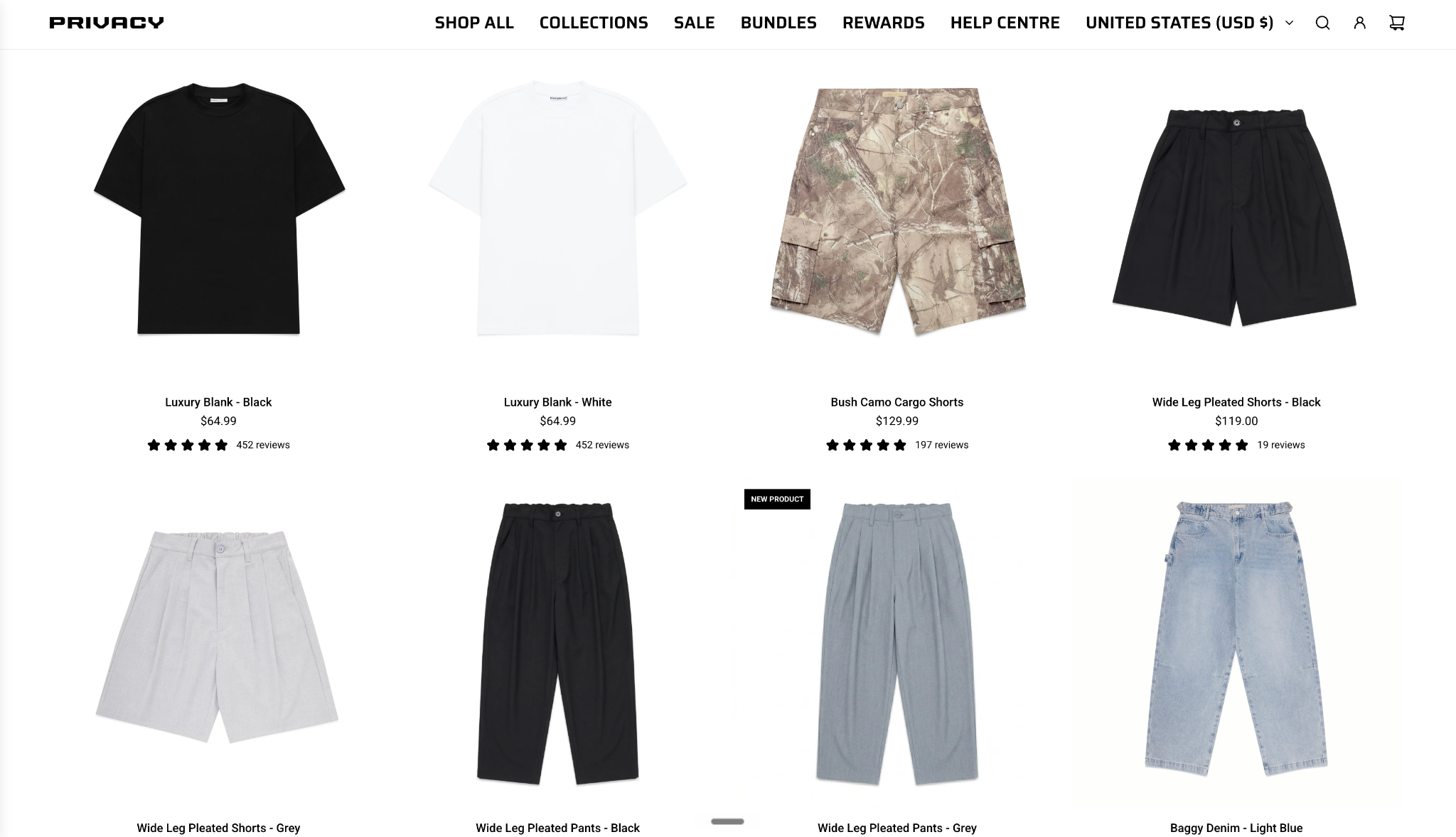
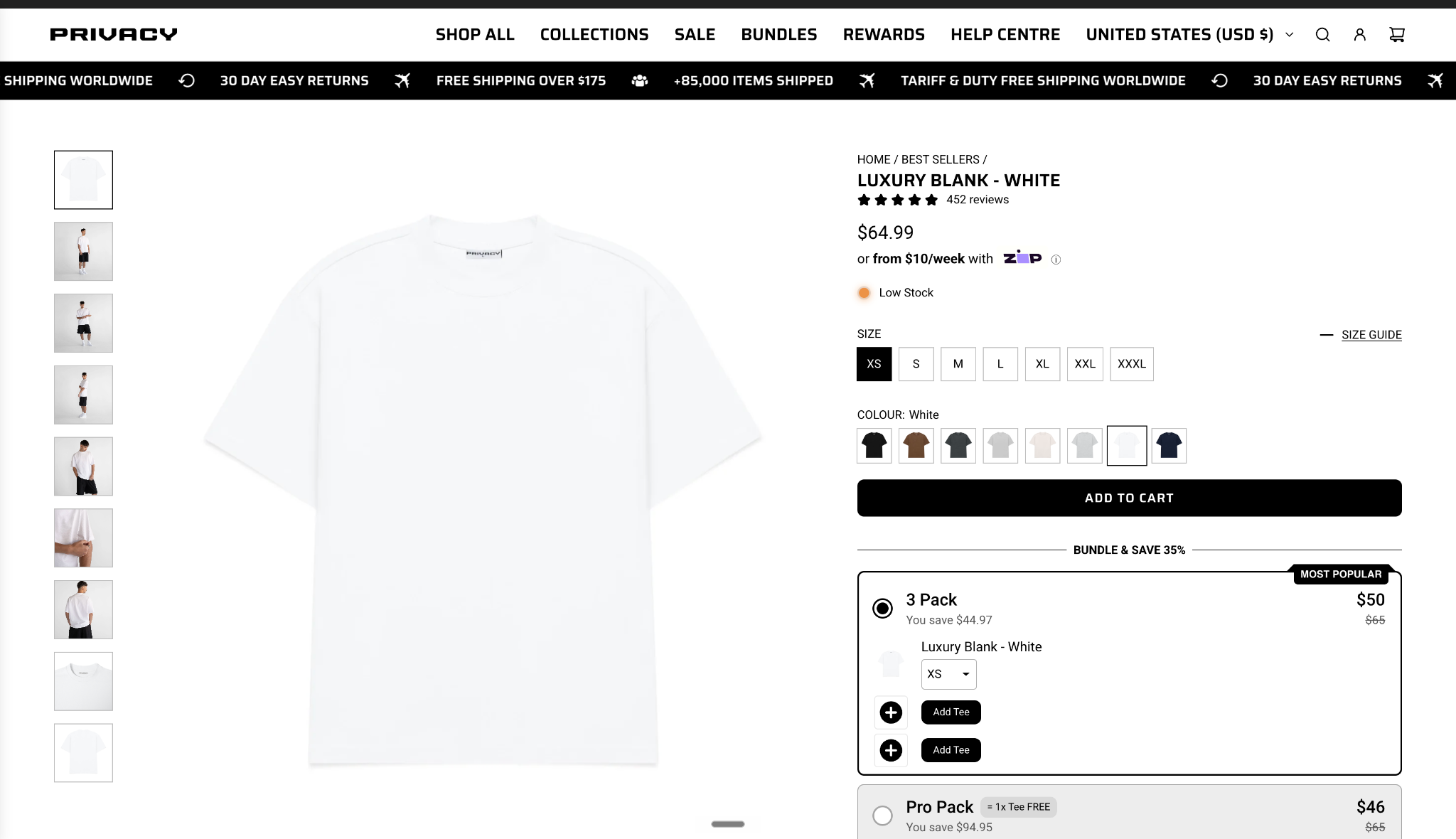
Privacy Clo started in 2018 as a graphic streetwear side hustle while founder Ryan De Gennaro was still at university in Perth. For the first three years, growth was slow. Ryan, in his own words, was “trying to push something that I thought was right for the market, rather than listening to the customers that we had.” The turning point came in 2021, when customers kept asking for blank versions of the printed t-shirts the brand was selling. Ryan released them. They sold.
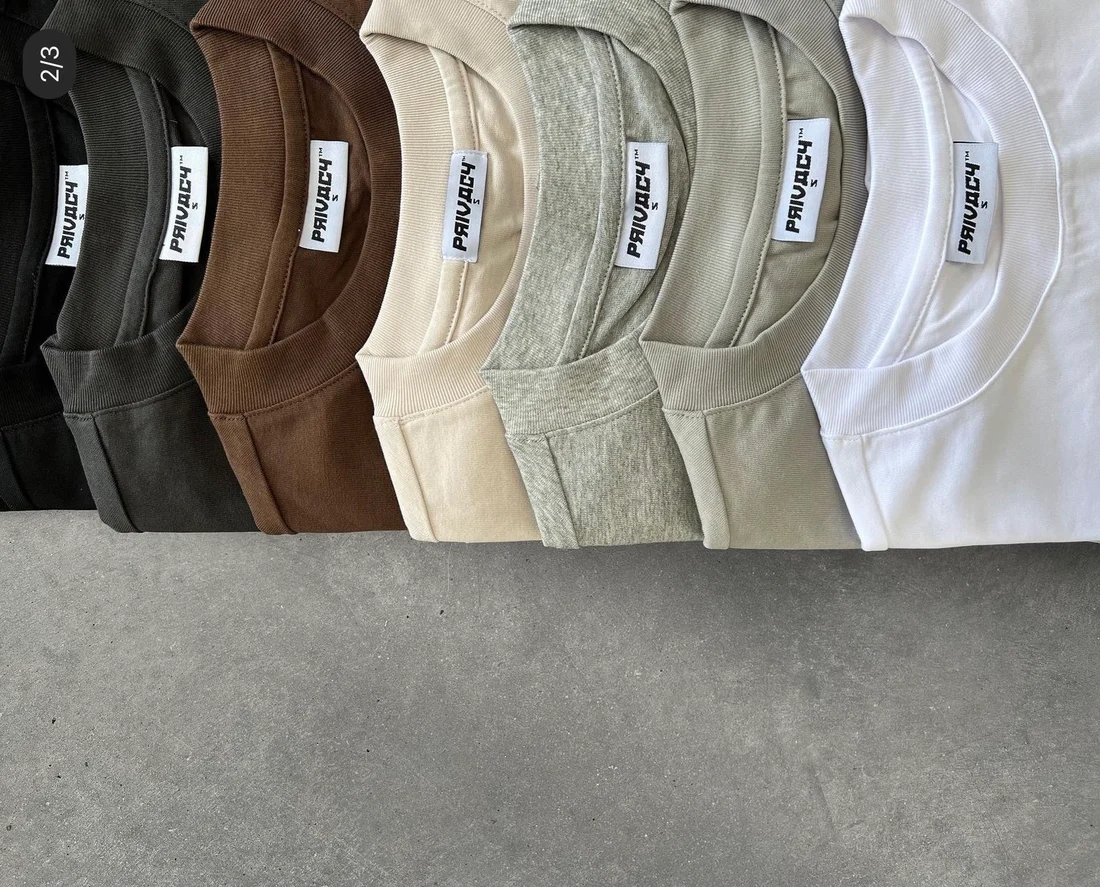
That single decision rewired the business. Privacy Clo evolved from streetwear into elevated basics, a capsule wardrobe brand for customers who wanted considered, well-made staples. By 2024 the brand had its own Perth retail store and a fast-growing online business, with roughly 90% of revenue coming through e-commerce.
As a solo founder, Ryan has rebuilt the company around what he calls "experts to take care of the things we're not experts at." The team today is small and intentional: a head of marketing, an admin lead, a casual community manager, and the retail store crew. Everything else, including fulfillment, runs through specialists.
That structure makes the brand fast and lean. But it also means the bottlenecks are obvious when they appear. By the end of 2024, fulfillment had become the loudest one.
The Challenge: A 90-day inventory cycle, run from the most isolated city in the world
From 2021 to 2024, Privacy Clo handled fulfillment in-house. The reality, Ryan recalls, was less operations and more manual labor: "Every week or every fortnight, carrying boxes, 40 to 50 boxes up a set of stairs in the peak of summer in Australia, which isn't fun." Two warehouse moves later, the brand had run out of space again within 18 months.
But the deeper problem wasn't square footage. It was geography compounded by lead time.
Privacy Clo was fulfilling Australian orders from Perth. Seventy percent of the brand's customers were on the east coast, a five-hour flight away.
"Running an online business from Perth and fulfilling from Perth makes no logistical sense at all," Ryan says. "We're sending products halfway across the world and then across the other side of the country."
Stacked on top of that was the inventory lead time cycle. Sea freight from Chinese factories meant a 90-day wait. Air freight, if everything went perfectly, took 5 to 10 days. But in fashion, things rarely go perfectly. "Stock can get stuck in customs and waiting for certain documents," Ryan explains. "If you had a pre-order, that can be affected, or if you had a planned drop, and all these things lined up. One little issue that you can't really plan for, and you don't know if it's gonna happen or not, can be affected."
Peak season and BFCM 2024 made the math unworkable. Privacy Clo hit its warehouse cap; a sick teammate or a disconnected printer could derail the entire day. "It's always back on the solo founder to figure out, you know, what are we doing?" Ryan recalls. He had two choices: hire a warehouse manager and ops manager and play that game forever, or hand fulfillment to people who were already better at it.
He chose the second.
The Decision: Why Portless
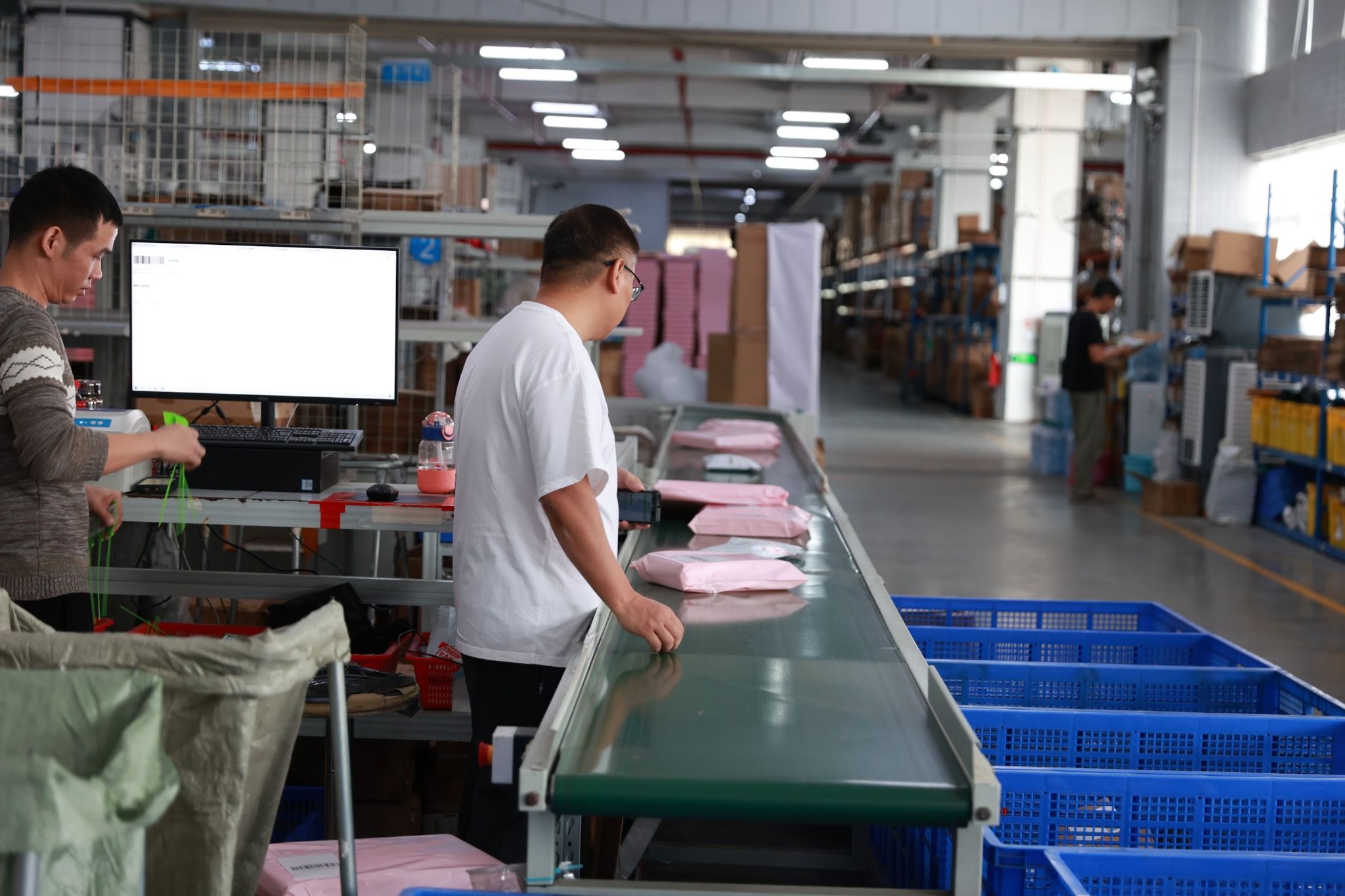
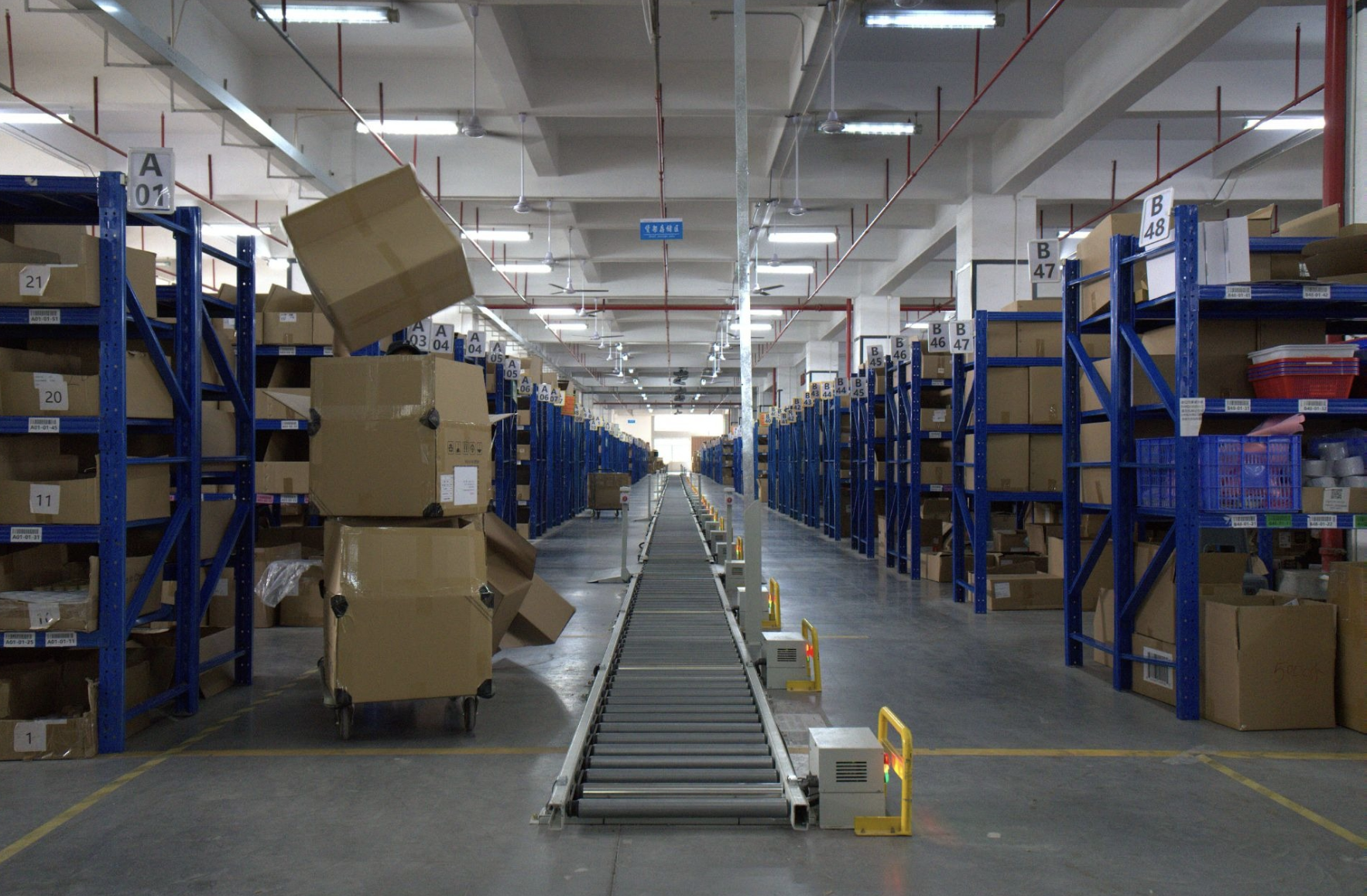
In early 2025, a friend who was also evaluating direct fulfillment introduced Ryan to Portless. After a few conversations, Ryan flew to China to see Portless’s operations himself.
"I met the team, saw how efficient and how much it actually made sense on the ground," he says. "The trip sealed the deal. What sealed it was credibility."
“The clear thing with Portless was they’ve been around the longest, they have the biggest infrastructure. They have the biggest brands they’re working with, some of the biggest brands in the world. That was the biggest thing for me — they’re the trusted player. Don’t really mess around with anyone else.”
The Results: 24-hour inbounding, day-by-state fulfillment
The first thing Ryan noticed was inventory lead times. The inbound process he had managed himself for years (coordinating POs across factories, splitting air and sea shipments, juggling arrival windows at a Perth warehouse) simply went away.
“Working with Portless is just seamless. You really feel like you’ve stepped aside, and you’ve got your factory and your production managers working directly with the Portless team for inbounding. I’m just sent packing lists, I’m just ticking boxes now and going, yep, yep, yep, yep.”
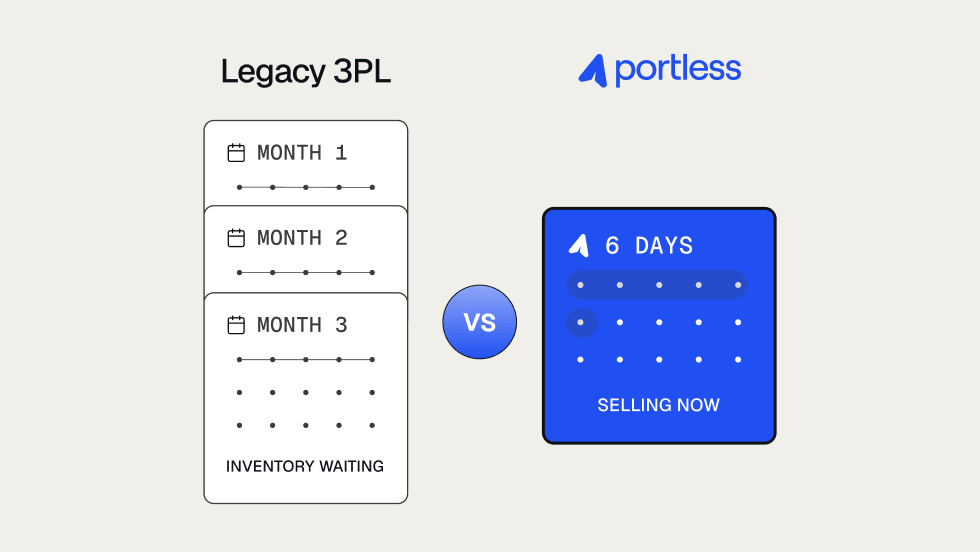
Instead of 90 days for sea freight or 5 to 10 days for air freight, inventory is sellable within 24 hours of arriving at the Portless facility. “Inbounds, 24 hours, it’s online, and we’re selling,” Ryan says.
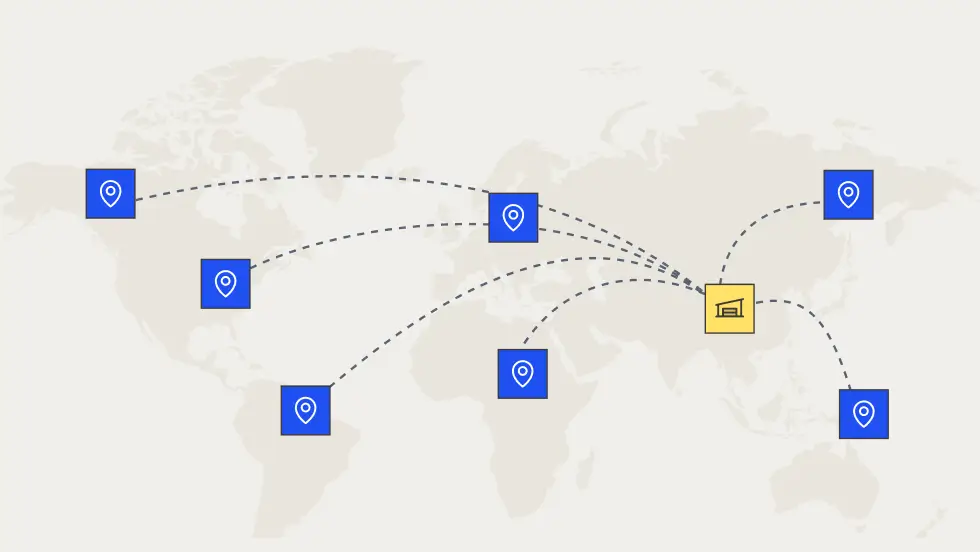
The operational design also fixed the Perth-isolation problem. Instead of flying all stock from China to Perth and then redistributing across Australia, Portless now sends each day's orders by state, injected directly into the destination market. Perth orders fly to Perth (Zone 1). Melbourne orders fly to Melbourne (Zone 1). The product takes one international flight instead of two domestic legs — faster, cheaper, with less wastage.
And on day one, Ryan’s calendar opened up. “You have four to five hours of your day that you’ve automatically won back. It’s like, okay, now what do we do? It’s that really nice feeling of, okay, we can focus on the things that actually move the business rather than we have to pick, pack and send this order.”
The Impact: A bigger, faster year
Ryan frames the lead-time win in terms his fellow founders understand immediately: time compounding into revenue.
"This direct fulfillment model allows you to win back pretty much 7 days of each month, minimum. 90 days if you're inbounding with sea freight. So think about how many of those orders you're doing a year and do the multiplication. That's how many days you're winning back. If you can be selling that stock throughout the year in a shorter time period, your year is a lot bigger than all your competitors."
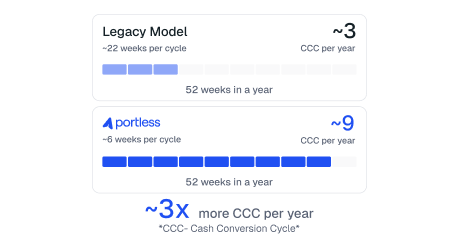
For an apparel brand where 80% of revenue comes from 20% of products, that compressed cycle isn't just a logistics win, it's a sell-through and cash-flow win. New collections reach customers faster. Replenishment turns in days, not quarters. Drops can be planned without weather, customs, or train derailments threatening the calendar. And because shipping is only paid when product sells, capital stops piling up in slow-moving inventory, compressing Privacy Clo's cash conversion cycle from months to weeks.
Going global: 17 new markets in one click
International expansion is the second compounding win the lead-time model unlocks. Brands on Portless typically grow the number of countries they sell into by 4x within their first year on the platform. That's not a slow ramp through one market at a time, it's the kind of step-change that happens when cross-border compliance, duties, customs, and last-mile delivery stop being roadblocks and start being defaults.
Privacy Clo's curve fits the pattern. Before Portless, roughly 90% of revenue came from Australia, a market that, as Ryan notes, represents just 2% of global e-commerce demand. In a matter of months on Portless, the brand began selling into 17 new countries: the United States, New Zealand, Canada, the UAE, Switzerland, Saudi Arabia, Hong Kong, South Korea, Japan, the Netherlands, the United Kingdom, Qatar, Singapore, Denmark, Iceland, Kuwait, and France.
The mechanics are intentionally invisible to the brand. Portless handles compliance, duties, and documentation for every destination market, so a brand that wants to open a new country doesn't have to research customs codes, register for taxes, or coordinate with regional carriers.
"We're very hands-off in terms of the compliance and logistical side of it. Portless handle all of that and make sure everything is compliant for the country that we're sending into."
“It’s the easiest thing ever. It’s genuinely the click of one button in our Meta account, opening up to global regions.”
For Privacy Clo, the playground Ryan describes is no longer Australia. It's the world.
Privacy Clo’s advice for other apparel brands
Ryan's advice to founders weighing a switch in fulfillment models is blunt: do the math on the days you're losing.
“Speed to market is very important, especially in fashion, because so many things can go wrong, and there can be so many delays. Reducing the potential for those delays is a massive win.”
He frames the decision the way he framed it for himself: as opportunity cost. Every week of inbound transit is a week competitors can move faster. Every dollar paid upfront on slow-moving stock is a dollar that can't be invested in product or marketing. And for any brand manufacturing in Asia, fulfilling locally (wherever "local" is) defies the basic geography of where customers actually are.







.svg)


.svg)