“We generated $70K in package protection revenue in a single quarter by adding a simple $4 protection option at checkout — plus an additional $12K from cashbacks. Customers get peace of mind, and we're making a profit on every protected order with zero effort."
“We generated $70K in package protection revenue in a single quarter by adding a simple $4 protection option at checkout — plus an additional $12K from cashbacks. Customers get peace of mind, and we're making a profit on every protected order with zero effort."
How Cosara replaced an unreliable fulfillment partner with Portless — and unlocked faster shipping, real visibility, and $82K in new revenue.
10×
Weekly revenue growth since partnering with Portless
$82K
Net new revenue generated within 3 months
6–8 days
Average global delivery time (down from 15+ days)
Industry
Health & Wellness
Products
Adult & beauty personal care products
Headquarter
Canada
A conversation with
Laura McDowell
COO • Cosara
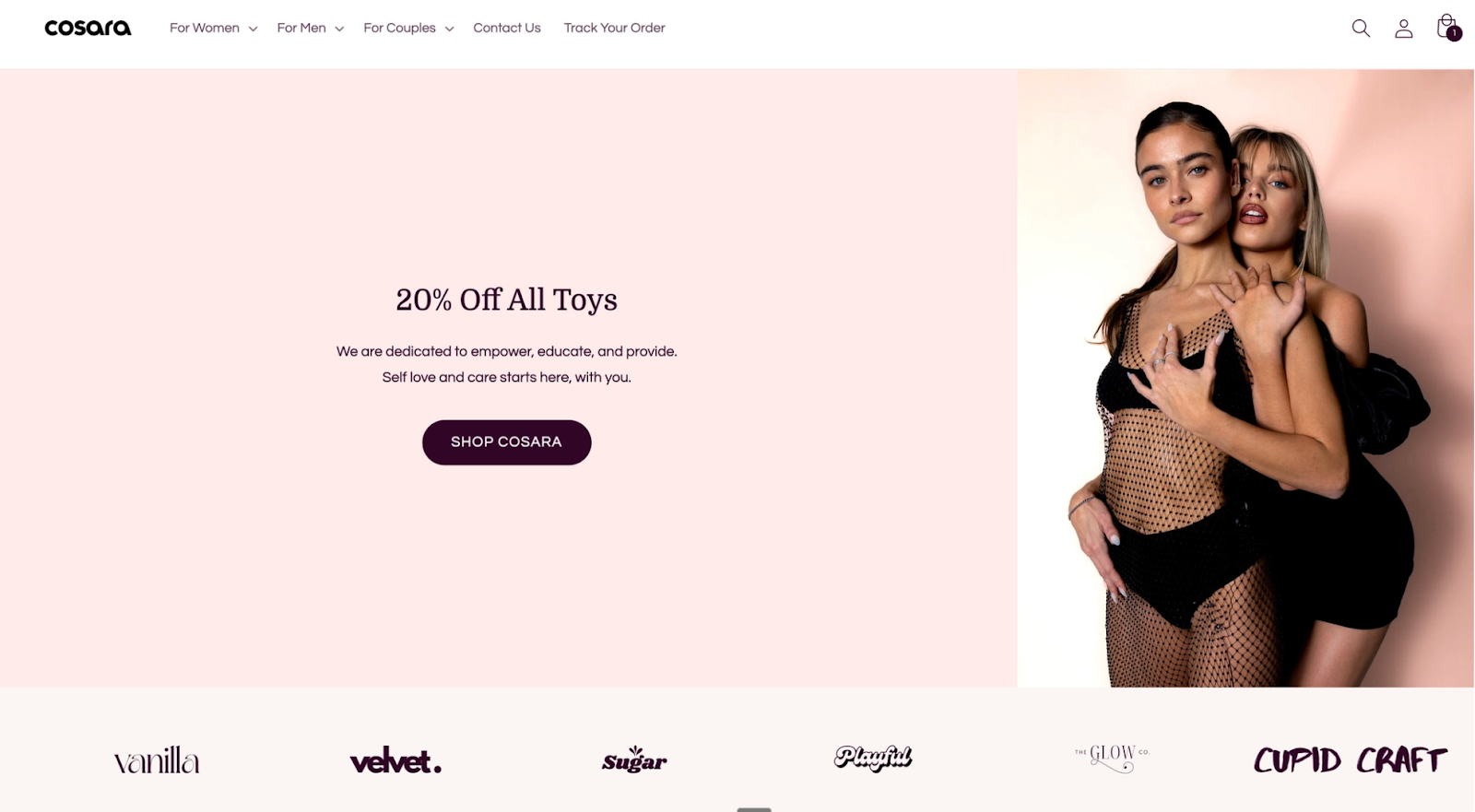
Cosara, a fast-growing DTC adult brand selling across global markets, was being held back by a fulfillment partner that couldn't deliver — literally. Unreliable shipping times, zero tracking visibility, and a complete lack of accountability were costing them customers and killing their growth.
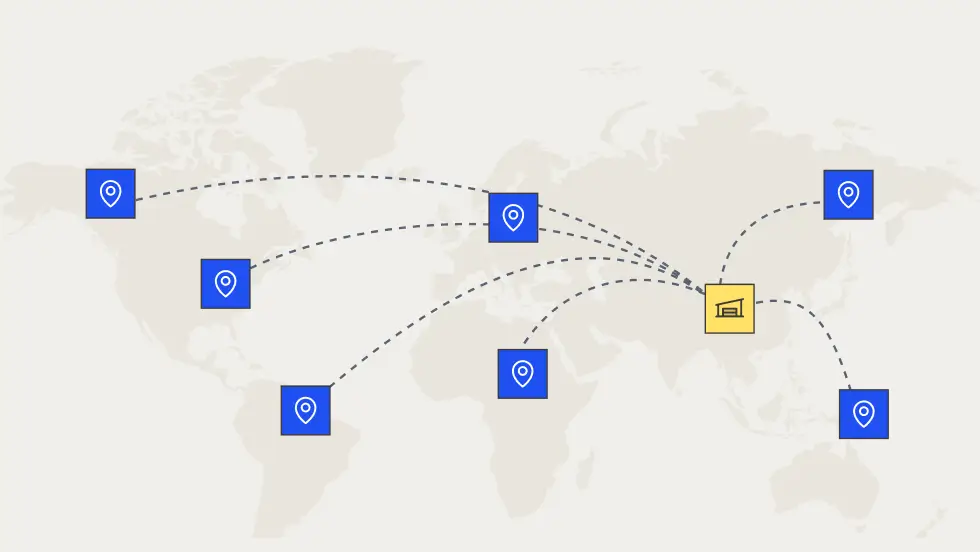
After switching to Portless for direct fulfillment, Cosara gained real-time order visibility, reliable delivery averaging 6 days from China to their customers' doors, and a partner that grew alongside them – introducing services like Package Protection that generated $82K in net new revenue within 3 months. The result has been 10x weekly revenue growth since partnering with Portless in early 2025, with no signs of slowing down.
About Cosara
Adult Ecommerce brands face a specific combination of challenges that most fulfillment providers aren't equipped to navigate well. Platform restrictions make customer acquisition more expensive and harder to scale, which means retention carries more weight than in other categories. Country-level import regulations add compliance complexity that requires a partner who understands the landscape. And because customers in this space expect speed, discretion, and reliability — and hold brands to a higher standard when those expectations aren't met — operational failures have an outsized impact on long-term business health.
Selling adult products online comes with a set of challenges that most Ecommerce brands never have to think about. Ad platforms impose restrictions. Import regulations vary dramatically by country. And customers in this category have particularly high expectations around discretion, speed, and reliability. Because a single poor delivery experience carries more weight than it would in almost any other product category.
Markus, CEO at Cosara, has built a fast-growing DTC brand in this space by leaning into what it does best: a sharp, high-velocity marketing team and a product-testing culture that keeps the catalog fresh and responsive to what customers actually want. It's one of several brands under the same portfolio – spanning categories from pet accessories to beauty devices – all managed under one supply chain operation. Laura McDowell, Chief Operating Officer at Cosara, leads that operation, overseeing everything from supplier relationships and inventory planning to logistics partnerships and fulfillment strategy across the entire portfolio.
The business model is built entirely on speed: source a product in small quantities, test it with an international audience, and scale whatever breaks through. That kind of velocity only works when the fulfillment layer beneath it is airtight. For too long, it wasn't.
The challenge: A fulfillment partner that was costing them customers
Before Portless, Cosara's previous fulfillment partner had become the single biggest drag on the business — not dramatically, but steadily, in the way that operational failures tend to compound over time.
Delivery windows stretched to 15 days or more, even into markets like Australia where there were no tariff complications slowing things down. Tracking was unreliable to the point of being useless. Packages handed off to shipping carriers would simply disappear into the network, sometimes returning to the warehouse with no explanation and no accountability.
"We never knew when, where our products will be," Laura recalls.
The customer service team bore the consequences directly. Every day brought a fresh round of complaints, apologies, and increasingly thin excuses to offer customers who expected better. "We were losing business slowly," Laura says — not in one dramatic moment, but in the kind of gradual erosion that's hard to see until you look back and realize how much ground you've lost.
When Laura brought this data to her previous fulfillment partner — evidence of consistent 15-plus day delivery times — they pushed back and claimed they were shipping in six days. She responded by requesting a controlled test: pull 100 real orders, track every single one, and report the actual numbers back. The results confirmed exactly what she already knew. The partner responded with no plan, no acknowledgment, and no path forward. That was the end.
The decision: Finding a partner, not just a shipper
Portless came through word of mouth — recommended by other Ecommerce brands in Markus's network who had seen strong results firsthand. Laura reached out directly through the Portless website with no prior introduction, and the onboarding conversation began.
Rather than immediately migrating Cosara's full catalog, she took a deliberate approach. She started with Nomo Bark, a smaller pet accessories brand in the portfolio, to understand how inbounding worked, learn the platform, and build confidence in the system before making the bigger move. Two to three months later, with 60 to 70 Cosara SKUs ready to transfer, she made the switch.
"It's not just, I have 10 boxes, ship them for me. It's a different level of relationship. It's a partnership." — Laura McDowell, COO at Cosara
That distinction shaped everything that followed — from how operational issues were handled to what new services got introduced and when.
Why this matters for adult DTC brands
The difference between a logistics vendor and a true partner shows up not in the contract, but in moments like these: a proactive call during a carrier crisis, a new revenue stream introduced before it's asked for, a sourcing conversation that starts six months before it's needed.
"Definitely go ahead. Because then you have a partner — not only a shipper of boxes – and they can help you grow your business." — Laura McDowell, COO at Cosara
The results: 10x revenue growth and a business transformed
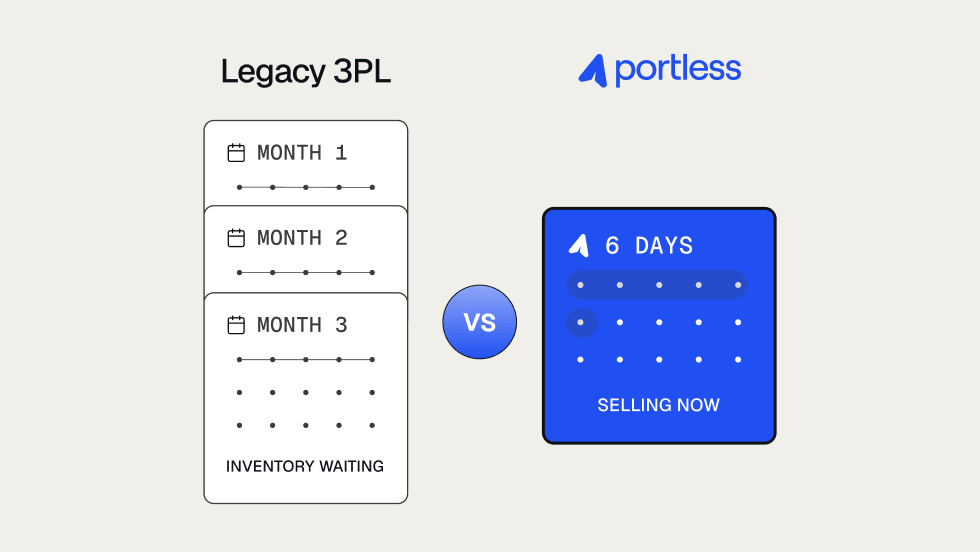
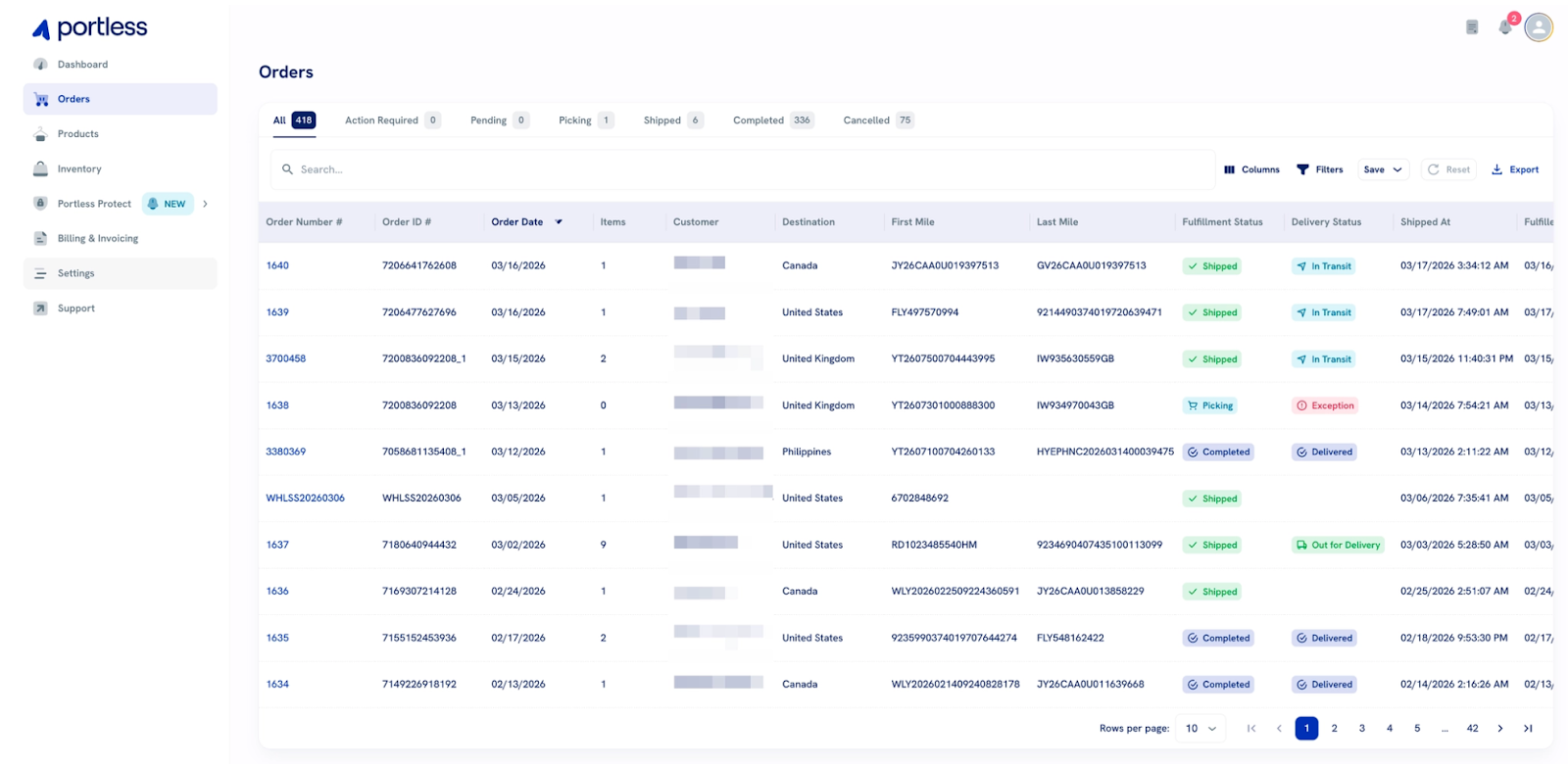
Switching to Portless changed the day-to-day reality of running Cosara's supply chain almost overnight. Where the previous partner had taken 15 days or more to deliver, orders were now reaching customers in an average of 6 to 8 days days — with tracking that actually worked and a platform Laura could check at any point during the day.
"We immediately saw the improvement in the shipping time, the reliability, the fact that we could see – from the Portless platform – the status of the orders."– Laura McDowell, COO at Cosara
She now monitors inventory on the platform at least three times a day, something that would have been impossible with their previous provider.
When a USPS platform issue caused a wave of packages to display alarming tracking messages – flagged as detained on suspicion of carrying counterfeit goods — it could have turned into days of confusion and unanswered customer complaints. Instead, Cosara's team had a full explanation in their inbox before they'd even had a chance to investigate: what triggered the issue, which orders were affected, and what was already being done to resolve it.
"The fact that Portless informed us so quickly — we knew exactly what to tell our customers. We could give them a real answer," Laura says.
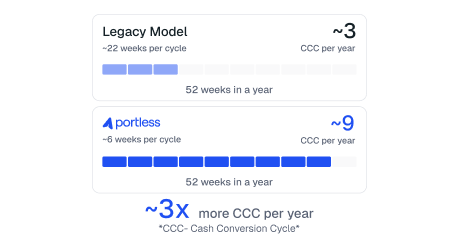
Since switching to Portless, Cosara has grown its weekly revenue 10x — made possible not just by strong marketing, but by a fulfillment model that never caps inventory potential. With products moving from production to ready-to-ship in days rather than weeks, Cosara can restock fast, test new products without bulk commitments, and scale winning SKUs the moment demand signals appear.
The impact: Services that opened new revenue streams
The relationship didn't stop at fulfillment. As the business grew, new services came into the picture that addressed problems Laura's team hadn't yet formally put on a roadmap — a reflection of what it means to work with a partner invested in the outcome, not just the transaction.
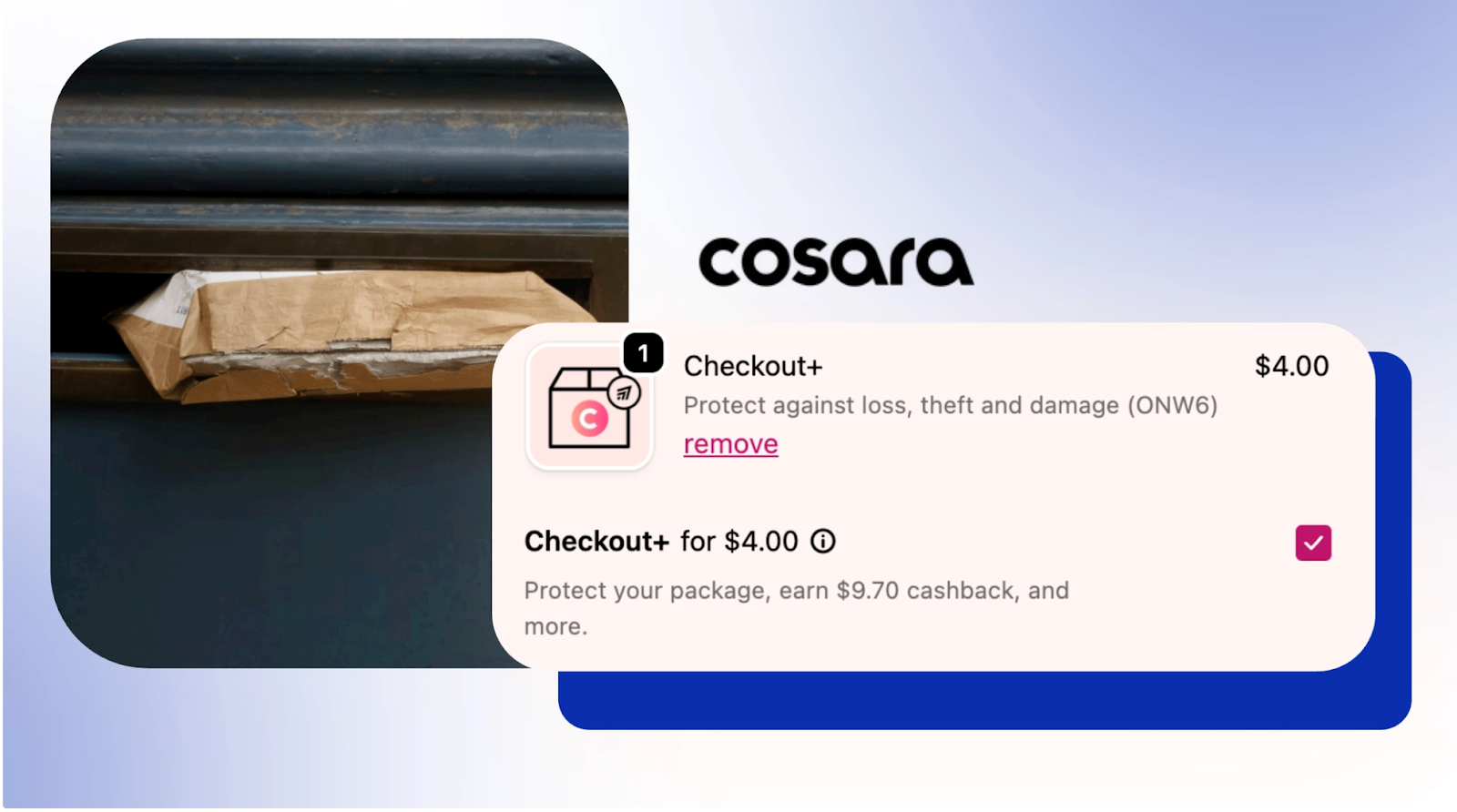
Package Protection, powered by Onward, is the clearest example of this. From the moment it was introduced to Cosara, the team was onboarded and fully live in under three days — right before Black Friday 2025. In the first five months alone, it generated $70,000 in net new revenue, including $12,000 coming from returning customers using cashback codes built into the program. The customer service team that had spent months apologizing for delays now had a clean, instant mechanism for resolving order issues and driving repeat purchases.
“We generated $70K in package protection revenue in a single quarter by adding a simple $4 protection option at checkout — plus an additional $12K from cashbacks. Customers get peace of mind, and we're making a profit on every protected order with zero effort." — Laura McDowell, COO at Cosara
What's next for Cosara
The goal for 2026 is to triple the profit generated in 2025. Cosara remains the primary engine, with plans to expand product categories, deepen the SKU range within each one, and push more aggressively into paid channels now that a capable marketing manager is in place for Meta.
"It's like we discovered products that just took off, completely organically. And now we have the infrastructure to actually scale them properly. That's the difference." — Laura McDowell, COO at Cosara
Cosara is now working directly with the Portless team to explore sourcing support — broadening the partnership beyond fulfillment, introducing Quality Control at our factories and finding new ways to help the business grow as order volumes increase.









.svg)


.svg)