For many DTC brands, packaging is the project that keeps getting moved to next quarter. The mockups exist and the team likes them. But the minimum order is 10,000 units and the lead time runs six weeks before the first shipment, so the product ships in a plain mailer for another quarter.
That deferral makes sense as a cash decision. As a brand decision, it’s expensive.
The box is the longest stretch of undivided attention your brand gets all year. It’s the only customer touchpoint where no algorithm, ad platform, or inbox sits between your brand and the buyer. In a 2018 Ipsos survey for the Paper and Packaging Board, 72% of Americans said packaging design often influences their purchase decisions, which means the substrate, the print, and the way the product is wrapped is doing brand work — whether you designed for it or not.
Packaging is the one channel you actually own
The channels brands lean on for customer attention belong mostly to someone else: ad platforms, email providers, social feeds. The brand rents that attention, and the rent goes up every year.
Packaging works differently. When the box arrives at the door, the brand has already made every decision about what the customer encounters. There’s no media buy attached and no platform deciding who gets to see it. The customer opens what the brand designed, in the sequence the brand intended, on every order.
That’s why the brands building category equity treat packaging the way they treat their hero product. Every customer who orders gets the same brand experience at full fidelity, and that kind of consistency is hard to find anywhere else in the funnel.
What brand control actually means in packaging
The phrase gets thrown around. In practice, brand control over packaging is detail work: the substrate, the finish, the Pantone match, the insert paper, the tape print. The same kind of detail work that goes into a flagship product page or a hero photo.
A lot of brands skip it. The box ships with nothing on it, and the brand pays full shipping cost on every order to deliver something that says nothing about who they are.
Why packaging is the unboxing layer of brand equity
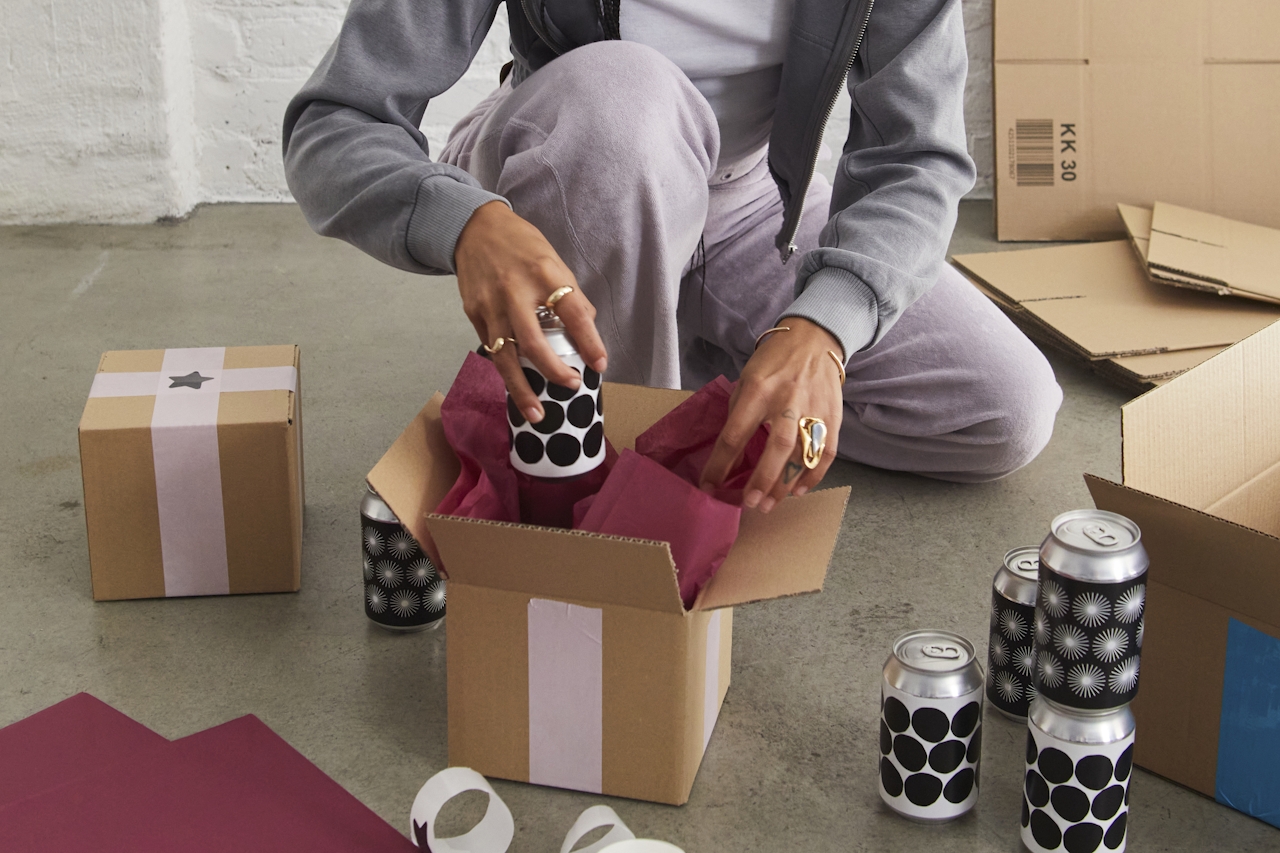
A memorable unboxing affects who remembers the brand a week later. Some customers photograph it. A smaller number actually post the photo. The ones who do generate UGC the brand didn’t have to pay for, and the ones who don’t still remember the brand the next time they’re shopping the category.
Most of the payback on packaging investment shows up on LTV, where a customer’s reorder rate quietly lifts the lifetime value of every cohort. The cost of a forgettable delivery shows up on the same line, just in the other direction.
Brands building this kind of compounding loop usually have direct fulfillment underneath. Craft Club’s 3x growth came from making the whole brand experience consistent, including what the customer opens at the door.
What custom packaging actually includes
Custom packaging covers more than one format. The kit can include cards, stickers, poly bags, printed cartons, structured boxes, and luxury finishing layered onto any of those. Each format has its own production realities and its own lead time.
Here are some examples from Portless:
- Cards and stickers: custom printing, any size, full color. Typical lead time of about five to seven days.
- Poly bags: colored, logo printed, padded, or compostable. Typical lead time of 12 to 15 days.
- Cartons and boxes: custom printing, rigid, folding cartons. Typical lead time of 12 to 15 days.
- Luxury packaging: premium finishes, specialty materials, structured gift boxes. Typical lead time around 25 days.
Cards and stickers tend to have the shortest production timelines. Luxury structured boxes have the longest, because the finishing work for foil stamping, embossing, and magnetic closures sits on top of the substrate timeline.
Why testing has historically been hard
Most legacy packaging suppliers quote minimum order quantities of 5,000 to 10,000 units. For a brand shipping 500 orders a month, that’s two years of inventory in cardboard. The design gets locked in before anyone has a chance to test it, because the test itself would cost two years of inventory on the rejected version.
Lower MOQs change that economics. A brand can run a real packaging A/B at a budget that doesn’t require a board conversation, see how the new version performs, and either roll it forward or shelve it without writing off a year of cardboard.
Why the legacy model makes packaging hard to run well
Most brands buy packaging the same way they bought it in 2015. A domestic supplier prints the boxes, the boxes ship to a domestic 3PL, the 3PL stores them, and the 3PL pulls them off the rack when an order comes in.
Every step is its own contract with its own invoice line. The brand team and the ops team end up working from different systems on different timelines, which makes every iteration on the design into a small project of its own. Running a real packaging program at that level of friction takes more effort than the brand benefit usually justifies.
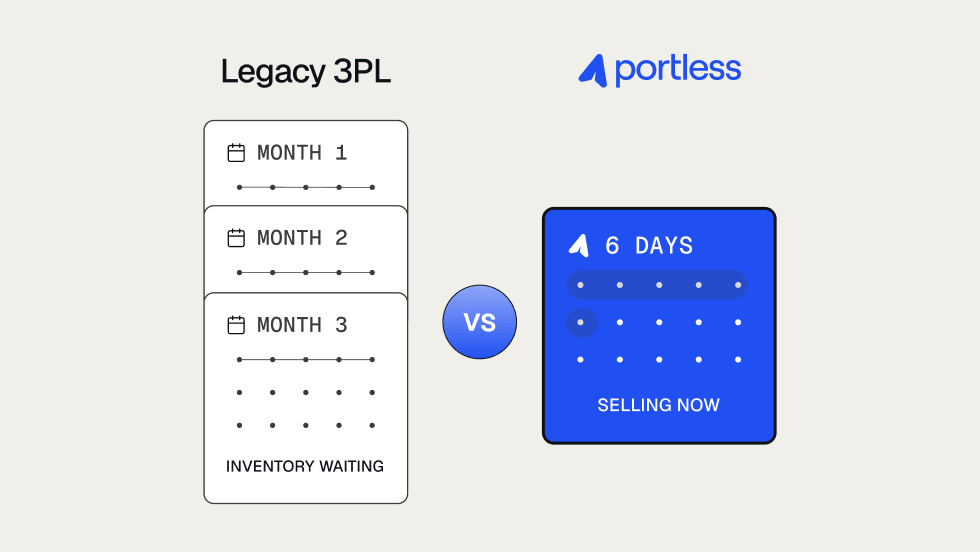
Add the legacy fulfillment model to the picture, with bulk inventory sea-freighted from Asia and sitting in a domestic warehouse, and most brands quietly give up and ship in plain mailers instead.
Why direct fulfillment matters for packaging
In the legacy model, packaging is a procurement project that runs separately from fulfillment. A US-based packaging vendor prints the boxes and ships them to a domestic 3PL, which stores them and pulls them off the rack when orders come in. Every iteration of the design has to be coordinated between two suppliers who don’t share a workflow.
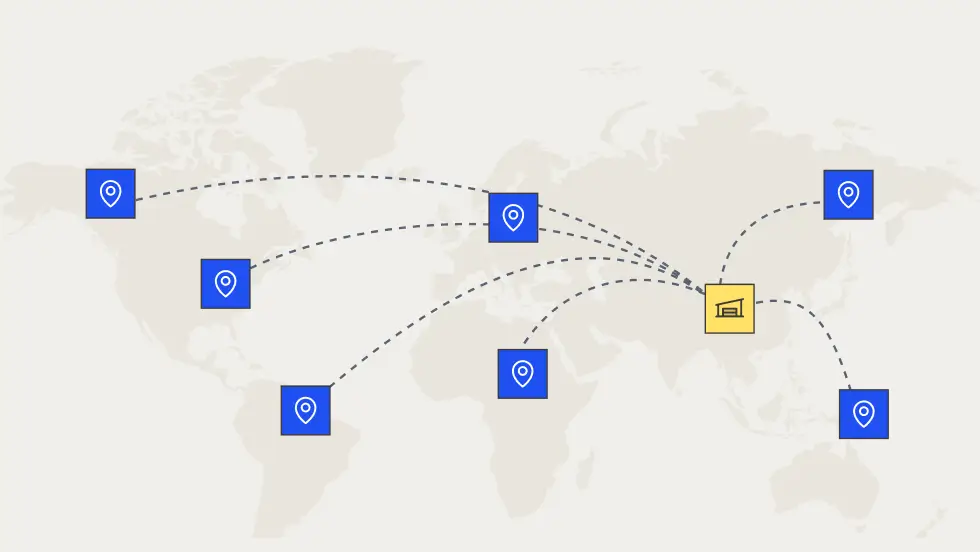
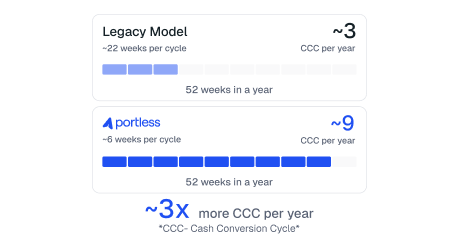
Direct fulfillment collapses that gap. Portless built its fulfillment network around the production hubs in China, where most DTC product is actually made. Finished orders ship from the same country the product is produced in, which removes the months of transit and the working capital tied up in storage between production and sale.
<https://vimeo.com/944096709?fl=pl&fe=sh>
Packaging fits inside the same network. The print suppliers Portless works with operate in the same region as the fulfillment warehouses, on the same workflow. Coordination happens between teams in the same time zone. When a design needs to iterate, the iteration happens inside the network.
That’s the integration most packaging vendors and most 3PLs can’t quite replicate. A packaging vendor on its own still has to ship its product into someone else’s fulfillment operation. A 3PL on its own still has to source packaging from somewhere outside its walls. Portless is one of the few setups where both layers sit inside the same operation.
Produce packaging where the orders ship from
Portless Custom Packaging is run by our team through partners already integrated with the Portless fulfillment network in China. The packaging is staged in the same warehouse that picks and packs your orders, so the second logistics layer disappears entirely. Hundreds of brands have run packaging through this network.
The branded tier has no service fee. You pay for the materials at supplier rates, with nothing layered on top, and the team negotiates MOQs as part of the process. Luxury packaging is its own tier for premium finishes and specialty materials, quoted per project. End-to-end lead times land in the 5 to 25 day range, depending on the format.
What this changes for your brand
Producing packaging in the same network that ships your orders takes a lot of the operational friction out of running a real packaging program. The brand team and the fulfillment partner work from a single timeline, instead of negotiating across two. Approved designs reach the warehouse faster, because there’s no second handoff between a printer and a 3PL. And the working capital that would otherwise be locked up in cardboard inventory stays available for the rest of the business.
Of those, the timeline change is the one that usually matters most. Lead time from design approval to first shipment is where great packaging projects die. When the wait stretches past what the team can absorb, the project gets parked, and the brand ships in plain mailers for another quarter.
What luxury packaging means at scale
Luxury packaging takes the same exercise as branded packaging and pushes it further, with thicker substrates, richer colors, finishing work like foil stamping or embossing, and presentation touches like custom tissue or ribbon. These details signal price point in a way the product itself usually can’t communicate. The unboxing becomes part of the price the customer feels they paid for.
A common mistake is treating luxury packaging as a one-time investment for the hero SKU launch. The unboxing quality then stops matching the product the moment the customer orders anything other than the flagship, and the brand pays the cost in lifetime value. A customer paying premium prices expects the box to feel like part of what they paid for.
See how Portless works
If custom packaging is on your roadmap, the team behind Portless Custom Packaging will come back with a quote and lead times within one business day. Contact us to start the conversation.
FAQ
What is custom packaging for Ecommerce?
Custom packaging for Ecommerce covers any branded mailer, box, carton, sticker, card, or insert designed for direct-to-consumer shipments. The scope ranges from printed poly mailers to luxury unboxing experiences with magnetic closures and foil finishing.
What MOQ should I expect for custom packaging?
Legacy packaging suppliers quote 5,000 to 10,000 units. Production networks tied to fulfillment can typically start lower, which is what makes regular testing and iteration possible.
Will custom packaging slow my fulfillment down?
Only if it’s produced outside the fulfillment network. When packaging is staged in the same warehouse that picks and packs your orders, cycle time matches generic packaging, and customers still get their order within Portless’s five to eight days delivery window.
How long does it take from request to packaging at the warehouse?
Lead times depend on the format. Cards and stickers run about five to seven days. Poly bags, cartons, and boxes run 12 to 15 days. Luxury packaging runs around 25 days end-to-end.
How often should I refresh my packaging design?
Once a year is the most common cadence, often with smaller seasonal inserts in between. Brands that want faster iteration treat packaging the way they treat creative, running small tests more often and saving full redesigns for when there’s a real reason.
What’s the difference between branded and luxury packaging at Portless?
The branded tier covers cards, stickers, poly bags, and printed cartons with no service fee — you pay for materials at supplier rates. The luxury tier covers premium finishes, specialty materials, and structured gift boxes, and is quoted per project.







.jpg)