"We generated $70K in package protection revenue in a single quarter by adding a simple $4 protection option at checkout — plus an additional $12K from cashbacks. Customers get peace of mind, and we're making a profit on every protected order with zero effort."
"We generated $70K in package protection revenue in a single quarter by adding a simple $4 protection option at checkout — plus an additional $12K from cashbacks. Customers get peace of mind, and we're making a profit on every protected order with zero effort."
Most brands put real effort into picking a fulfillment partner and far less into what happens after they sign. The day you sign is when it gets real, when your launch, your inventory, and your customers' doorstep experience move into someone else's hands. More than 70% of shoppers say they wouldn't recommend a retailer after a poor delivery, and every package becomes a moment you no longer fully control.
Our VP of Customer Success, Harteg Singh, walked through how we handle the weeks after you sign on an episode of The Modern Supply Chain.
The contract is where the real work begins
Signing kicks off the next conversation with us. The first milestone after a contract is another meeting, this time to pin down what success means to you. That answer becomes the benchmark we measure the whole account against.
That contract signature, in my opinion, is a promise that Portless has made. As soon as you put your name on a contract with Portless, we're here to deliver to an expectation that you are designing. — Harteg Singh, our VP of Customer Success
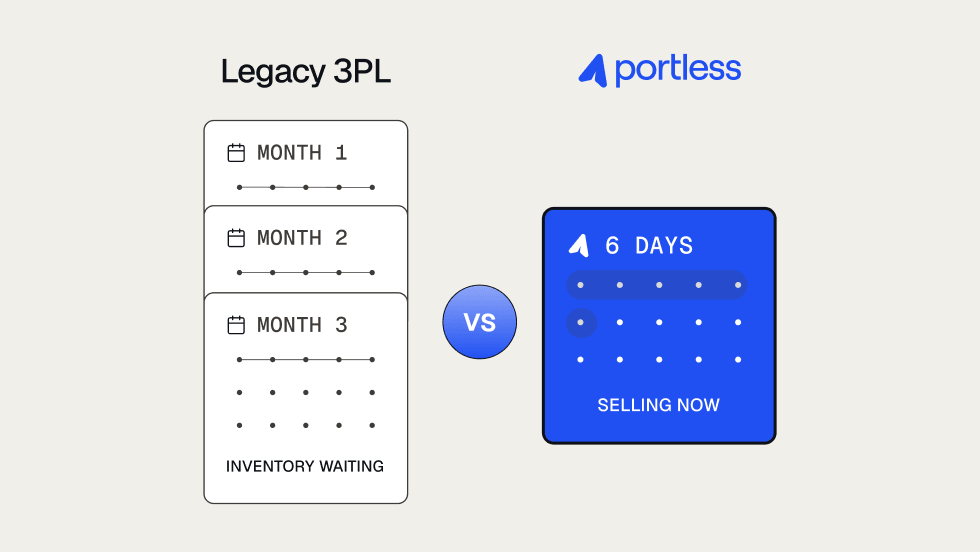
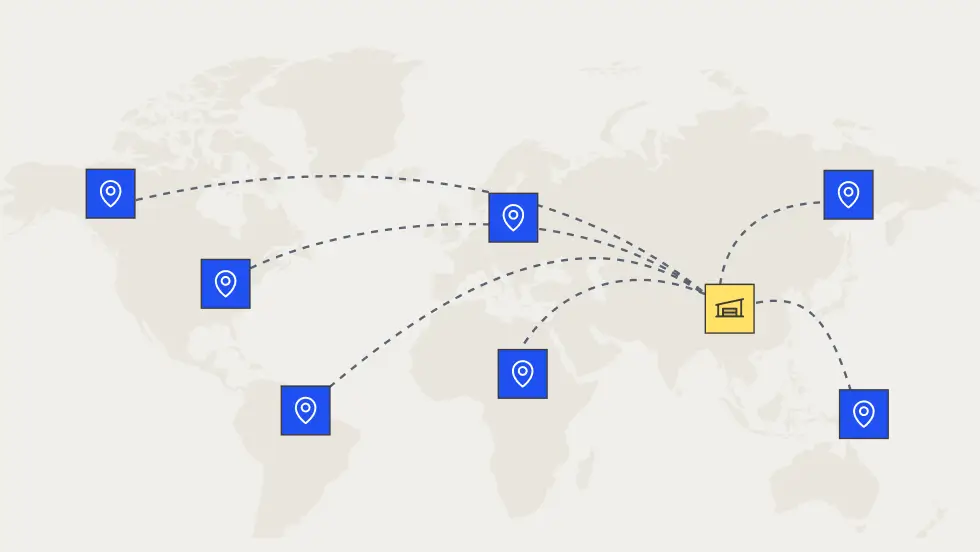
From there, our implementations team builds routing rules and logic tailored to your business. We receive your goods at a fulfillment warehouse in the backyard of your manufacturer, then test the whole flow before a single real customer places an order. The whole kickoff turns on one question we ask every new account. As Harteg puts it, “what makes you successful? Because that is our KPI. That is what we're going to benchmark to.”
Most launch delays trace back to skipped context
On day one, we map a full takeoff plan with you. When launches slip, the cause is almost always a step skipped early, usually missing compliance data the product needs to clear customs, packaging that won't survive the roughly 50 people who touch a parcel on its way to the door, or a checkout that doesn't collect what a package needs to cross a border. Skip that context now and you pay for it later.
If we're missing any context there, it can actually cause a tremendous amount of relearning later on in the experience. And that's where honestly the delays are.
Harteg Singh, our VP of Customer Success
This matters most for brands shipping internationally for the first time. A parcel crossing a border needs the same thing a traveler does, the right information to get through. We collect it at checkout and attach it to the order, so the handoff to local, last-mile delivery stays clean. It's the same discipline behind entering a new market in 90 days without the launch falling apart.
Hypercare covers the weeks right after launch
The riskiest stretch is the first run of live orders. We call how we handle that window hypercare. The moment integration is done, a dedicated hypercare manager watches the signals across your order lifecycle, inventory levels, SLAs, and how third-party shippers are performing, before you settle in with your long-term customer success manager.
We want to make sure that every package lives up to that promise that we signed with you early on, and we do that when those packages are on their way to live customers. — Harteg Singh, our VP of Customer Success
The hypercare manager also coaches you on how to operate well on this kind of supply chain, so the experience holds up as volume grows.
The same team on every ticket
Once you're stable, the ongoing structure is what carries the relationship. We run customer success in pods. You get a named customer success manager and the same group of support agents on every ticket.
You don't have to work with an agnostic support team or agnostic round robin CSM inbox. You get a dedicated name and a dedicated group of support agents that every time you reach out, it's the same people. — Harteg Singh, our VP of Customer Success
That ownership shows up most when something hard lands. We once moved one of our largest merchants off a competitor's warehouse on a hard 3:30 PM Friday deadline set by the old provider. Everyone joined a call, customer success, solutions engineering, warehouse leadership, and worked through milestones until 9:30 that night. The merchant was short-staffed, so we took ownership of the cutover and the action items. It took three months of planning to get there.
We made the transition and action items that they owned, we notified them, and the very next day we were shipping out almost five to 7,000 orders a day without any hiccup. — Harteg Singh, our VP of Customer Success
The best support is the ticket that never happens
Reacting well is the easy part. The harder work is preventing the problem. We do that by sitting inside your strategy, flagging what's feasible and what isn't before it ships, and keeping playbooks for the things no one can schedule, typhoons, fuel shortages, sudden regulation.
The 2025 run-up on US tariffs is the clearest example. We hired a compliance manager, trained every support rep, CSM, and implementation team member to talk duties and tariffs, and moved fast.
We broke down the complexities of taxes that they've historically never had to deal with, and we instantly shipped 96% of the packages the following week without any compliance problems. — Harteg Singh, our VP of Customer Success
Being in your strategy also means saying no sometimes. A margin shortcut that risks a customs crossing just moves the cost into support tickets downstream, where you eat it anyway.
Modernizing customer success is not saying yes to everything and that every strategy is correct. It's about what can we do together to educate and empower each other to start saying also no, but we can do something. — Harteg Singh, our VP of Customer Success
Watch the full episode
If you're weighing a fulfillment partner, Harteg's own test is a good one to borrow. Ask what happens when you need to make a change right now, and make them answer without the sales pitch. Shipping, as he puts it, is just the tip of the iceberg.
He and Chris de Jong covered more on The Modern Supply Chain, including the pod structure in detail, how we informed 120 merchants on tariffs in a single week, and where AI fits into customer success without replacing the human relationship. See how Portless works, or watch the full conversation below.
Get operator-level supply chain insights
Thank you! Your submission has been received!
Oops! Something went wrong while submitting the form.