“We generated $70K in package protection revenue in a single quarter by adding a simple $4 protection option at checkout — plus an additional $12K from cashbacks. Customers get peace of mind, and we're making a profit on every protected order with zero effort."
“We generated $70K in package protection revenue in a single quarter by adding a simple $4 protection option at checkout — plus an additional $12K from cashbacks. Customers get peace of mind, and we're making a profit on every protected order with zero effort."
How Qlear 2x'd revenue in 3 months by expanding into the US and Australia
Qlear expanded from the UK into the US and Australia with Portless — orders up 80%, revenue up 104%, and no new warehouses or 3PL contracts.
104%
Revenue Growth
80%
Order Volume Growth
12,000+
Orders Shipped Into New Markets
Industry
Beauty
Products
Adult & beauty personal care products
Headquarter
UK & Ireland
A conversation with
Julian Nieuwenhuizen
Co-founder
Challenge: Qlear, a UK-based, science-backed cosmetics brand, had a marketing funnel that worked and international demand it hadn't touched yet. Its fulfillment partner at the time was built for small-scale product testing, not for a brand ready to scale into new countries.
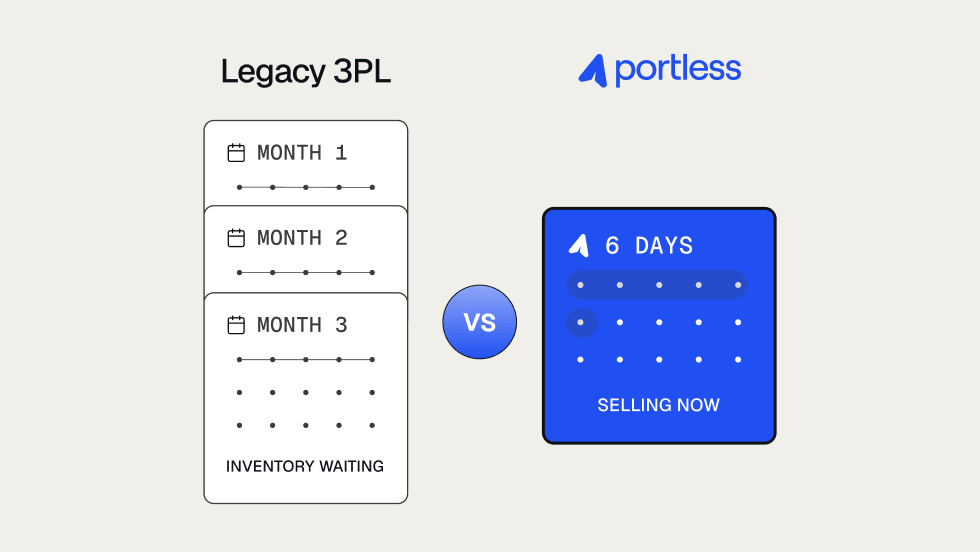
Solution: After switching to Portless, Qlear expanded into the US and Australia by reusing the exact ad creative that was already working in the UK. No new warehouses, no new 3PL contracts, no market-by-market rebuild. Three months later, orders are up 80% and revenue has roughly doubled (up 104%), with more than 12,000 orders shipped into the new markets.
About Qlear
Julian Nieuwenhausen launched Qlear a year ago, drawing on a background as a creative strategist at marketing agencies and inside other Ecommerce brands. Watching those brands operate up close taught him something most founders learn the hard way: most Ecommerce companies are really just marketing operations wearing a product label. So he decided to build one himself.
"Most of these Ecommerce brands, they don't want to admit it, but they're like 90% marketing agencies. So I thought, okay, let me give it a try myself."
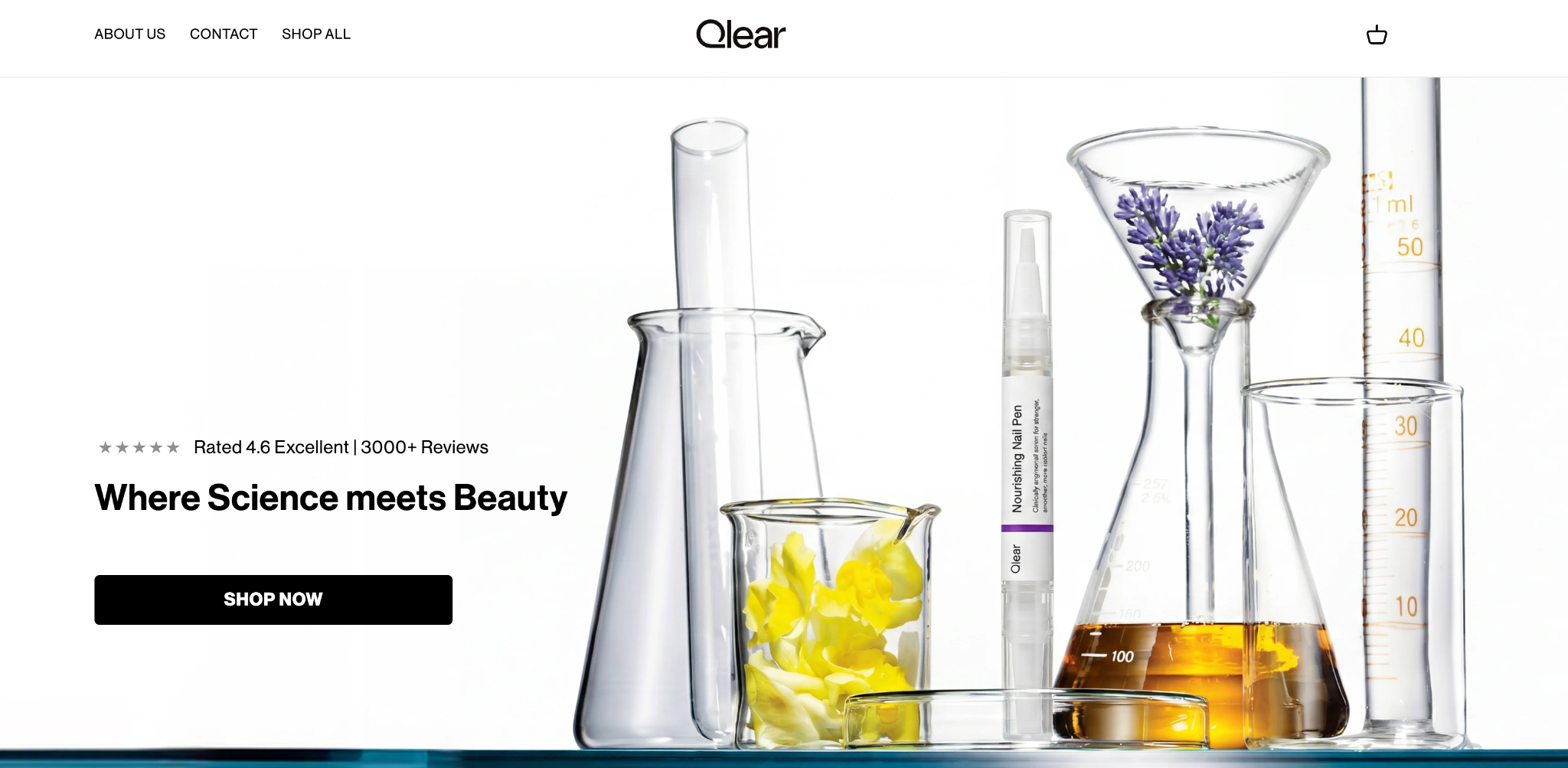
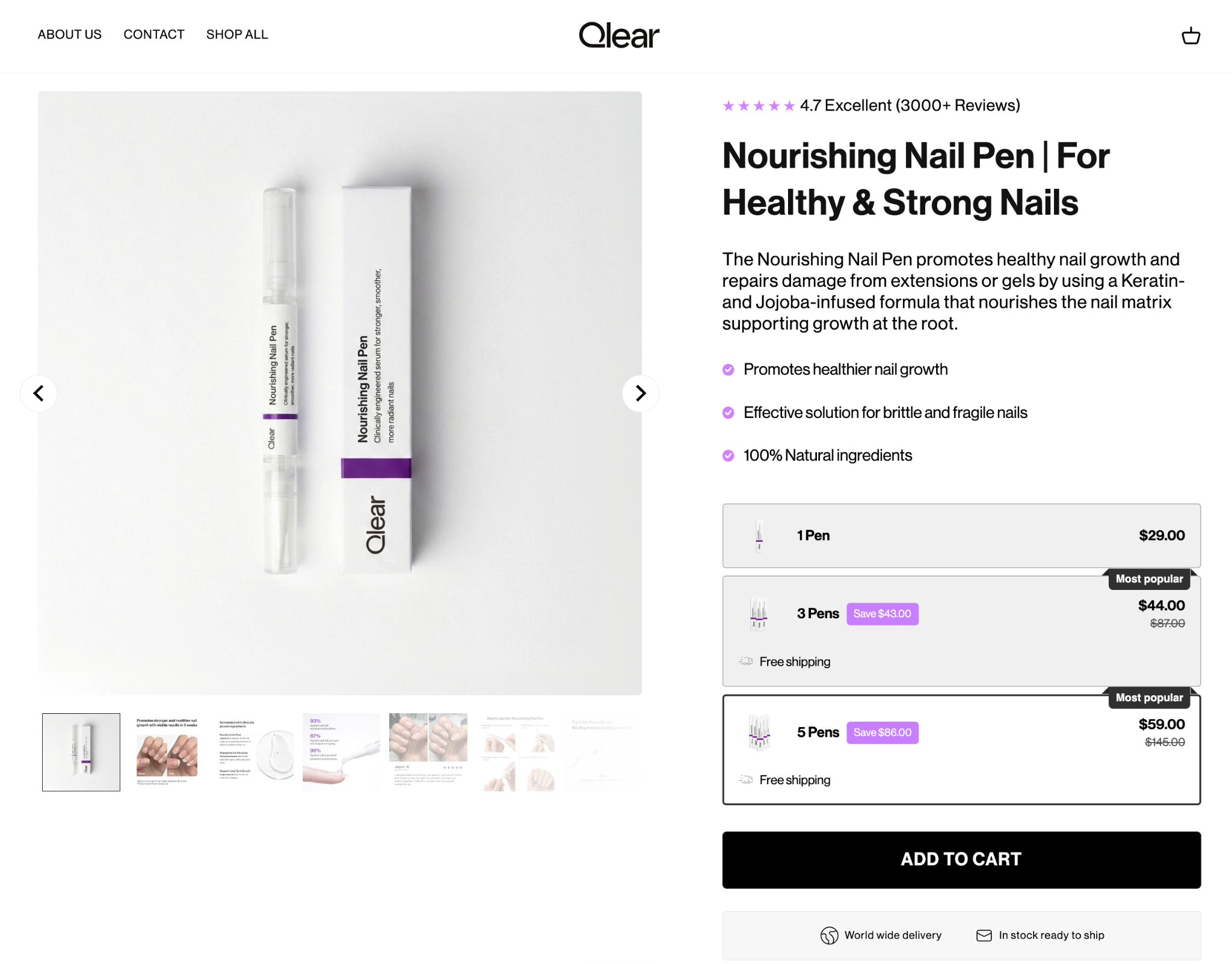
The brand's positioning, "Where Science Meets Beauty," anchors a cosmetics range built to solve niche beauty problems with targeted, effective products — from serums and hand masks to accessories, formulated around ingredients like hydrolyzed keratin, jojoba oil, and grapeseed oil. Today Qlear has more than 3,000 customer reviews and a loyal UK following.
The early days were scrappy by design. Julian tested the first product through a dropshipping model, and it landed immediately, with 15 sales on day one. That early proof was enough for him to take the brand seriously: he invested in real branding, packaging, and white-labeling. But the fulfillment behind the scenes stayed improvised, and that gap would eventually cap how far Qlear could grow.
The Challenge: A partner built for testing, not scaling
Qlear's original fulfillment partner was a China-based dropshipping agent, the kind of setup that works fine for testing products but not for building a real brand. Every quote combined sourcing, product, and shipping together, and the price changed depending on order size, so Julian never really knew his margins.
"I didn't even have a clear picture of what is the actual cost – for each weight – or shipping cost per weight. It was very annoying to work with them."
Professionalism was inconsistent, and shipping times swung unpredictably, generating a steady stream of customer complaints. But the deeper issue was strategic: Julian needed to professionalize his fulfillment, and his partner's entire business model was built around dropshippers testing random SKUs, not brands trying to grow one.
"Their business model was just focusing on dropshippers who just test a whole bunch of products. I knew that that was just not gonna work out in the long run."
Qlear was also shipping to the UK exclusively. Julian had watched enough Ecommerce brands expand market by market to know English-speaking countries like the US were low-hanging fruit, but his fulfillment partner's US shipping rates were far higher than its UK rates, and the operational headache of adding a new country through a partner that couldn't cleanly price the one country he was already in kept the idea on the back burner.
The Decision: Choosing a partner who understood the business
When Julian went looking for a new fulfillment partner, he evaluated a few options. With one of them, the entire sales process ran through a WhatsApp account leaning on urgency tactics: sign up today or lose your spot. Julian, an Ecommerce operator himself, recognized the playbook immediately.
"We all use the same tricks to make people feel like they have to order today."
Portless felt different from the first call. The team took the time to understand how Qlear's business actually worked, including the fact that its customers often buy multiple units of the same product, a very different shopping pattern than most beauty brands see. Rather than offering a one-size-fits-all setup, Portless adjusted its approach around that reality.
"You guys were able to think with my business structure, instead of just having a one-size-fits-all solution."
That combination of consultation and genuine curiosity about his business, not just a pitch, is what made the decision easy.
Above all, Julian points to the difference between a vendor that ships boxes and a partner that helps a brand grow.
"In the beginning, I'm going to be honest, it felt like just a sales pitch. Everybody wants to be your growth partner. But actually putting in the effort to be that growth partner, I didn't expect it to come out in this way, and it really showed."
The Results: Live in the US within 60 days
Portless acted more like a growth partner than a vendor from the start, showing Julian that the US expansion could happen much sooner than he'd planned. Rather than leave it as a someday project, the team helped him map out a clear path: live in the US within 60 to 90 days.
He took them up on it, and it turned into one of the best calls he made all year.
"I have zero regrets, because I should have done it earlier, to be honest. It was so easy to do, and it just doubled our revenue within the first two months."
The launch itself required almost no new work. Because Julian had already proven his funnel in the UK, where lower Meta CPMs made testing cheaper, he could take the exact same ad creative into the US untouched.
"I just literally launched with the same ads that were performing in the UK, just set up a new campaign, and changed the country. That was it. It was super easy."
The Impact: Revenue doubled, 12,000+ new orders, zero new infrastructure
In the three months since going live in the US and Australia, Qlear has shipped more than 12,000 orders into the new markets. Compared to the run rate before the expansion, revenue is up 104% and order volume is up 80%.
"There were more factors driving that growth, but the expansion was a very big one."
The US has been the biggest driver of that growth, and Julian is applying the same playbook to expand further, including into Australia, without adding any new fulfillment infrastructure or costs. Because the ads, product, and fulfillment model transfer directly across English-speaking markets, entering a new country is mostly a matter of turning campaigns on and letting repeat purchases build from there.
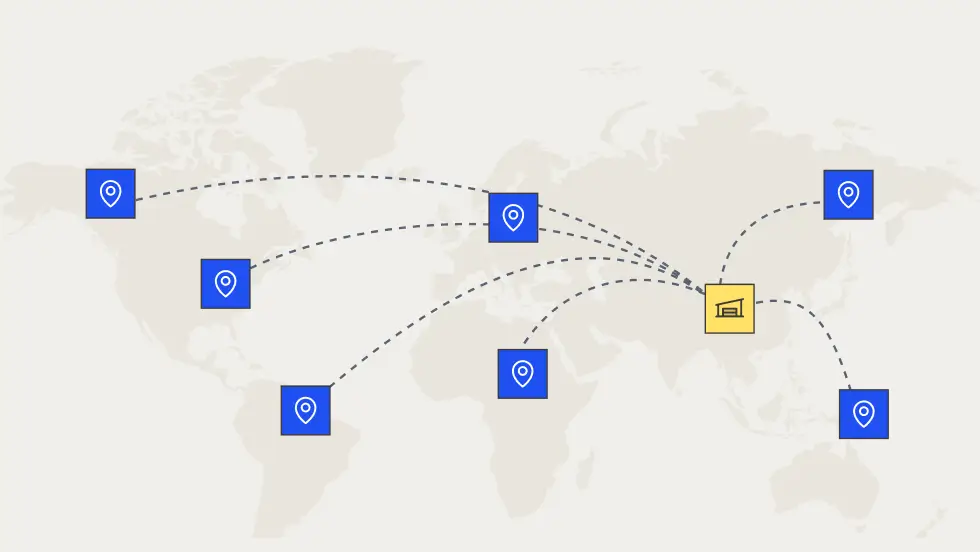
This mirrors Portless's own playbook for global expansion, outlined in a recent episode of The Modern Supply Chain podcast with Darwish Gani, CEO of Openborder: test in English-speaking markets first, keep the same creative across countries, and ship from one fulfillment hub instead of spreading inventory.
"I'm fine with selling at a slight loss in the beginning, because I know people are gonna come back."
In practice, this meant Qlear could expand internationally without new 3PL contracts, new warehouses in every region, or a separate ad strategy per market. They were ready to expand from day one.
"Every single English-speaking country, we could potentially just turn the ads on and see what it does. It's not like any extra effort from our side."
All that saved time and effort is now going toward what's next. Qlear is teaming up with Portless's sourcing team to develop its own formulas and build direct manufacturer relationships, giving Julian more control over the product itself. He's setting his sights on 10x growth this year, largely by expanding into new product categories, after noticing that beauty shoppers respond strongly to a wider catalog.
"The second you launch a new product, people are very intrigued to check it out as well."
Qlear's advice for other beauty DTC brands
Julian's advice to other UK or Europe-based beauty founders sitting on international demand: don't overbuild the test. Launch first in an English-speaking market with lower advertising costs, prove the funnel is real, then take the exact same creative into the US, where the real scale lives.
"If you're starting out, launch in a country that's English speaking but has lower advertising costs, test there, and once you've figured out what's working, go into the US, where the real scale lies."





.svg)

.svg)