Last updated: May 2026
Trends come and go in every industry, including in the DTC space. Ecommerce is constantly evolving and reshaping how brands connect with their audiences. Staying attuned to the latest DTC Ecommerce trends isn't just wise; it's the key to maintaining your competitive edge.
Let's explore a few prevailing trends happening in the DTC and Ecommerce space right now.
Why personalization is now a supply chain problem, not a marketing one
Personalization isn't optional anymore. According to BigCommerce's DTC trends research, personalized marketing and product experiences are now table stakes for DTC brands competing against Amazon and big-box retail.
Take one of our clients, a corporate swag company. In their world, customization is the crown jewel. Our low factory minimum order quantities (MOQs), enabled by direct fulfillment from China, let their clients order personalized products without committing capital to excess inventory.
The math you should run:
- Cost of holding one month of excess inventory at your current SKU count
- Cost of air-freighting a missed launch, typically four to six times sea freight
- Revenue lost when a customer-favorite variant sells out and can't be replenished for 45+ days
When you price these out, personalization stops looking like a marketing strategy and starts looking like a supply chain redesign.
How sustainable fulfillment cuts emissions and shipping costs at the same time
Sustainability isn't just a buzzword; it's a way of life. The modern consumer's conscience aligns with brands that prioritize eco-friendliness. The good news? You don't need a complete overhaul to embrace this trend.
Direct fulfillment removes multiple transit legs and storage cycles, reducing logistics-related emissions by up to 40% according to McKinsey. The model cuts fuel use, packaging waste, and warehouse energy in the same operation.
For a deeper look at the framework, see our guide to sustainable logistics for Ecommerce and the comparison between cargo shipping vs. direct fulfillment for sustainability.
The unit economics work in the same direction:
- 40% fewer fulfillment touchpoints
- ~30% less packaging material waste from a single optimized package vs. repacking two to three times
- ~75% less storage energy from compressing 45–60 day transit windows to seven to 14 days
For a full breakdown of the practices leading brands use, see our sustainable logistics guide and the seven sustainable logistics practices leading brands use.
Why five to eight day global delivery is the new DTC baseline
In an age brimming with options, the key to standing out and earning loyalty is crafting delightful experiences. Shipping plays a pivotal role here. Fast, efficient, and cost-effective shipping can make all the difference.
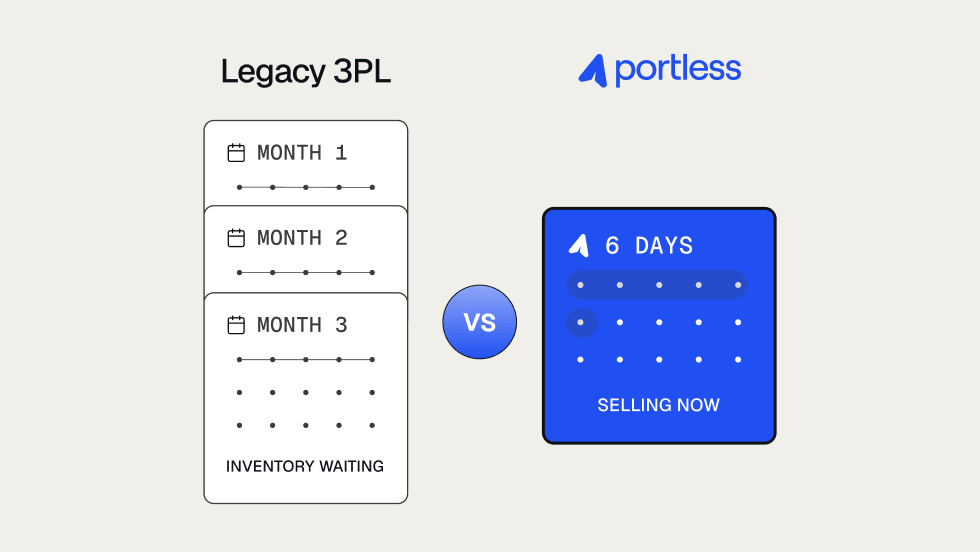
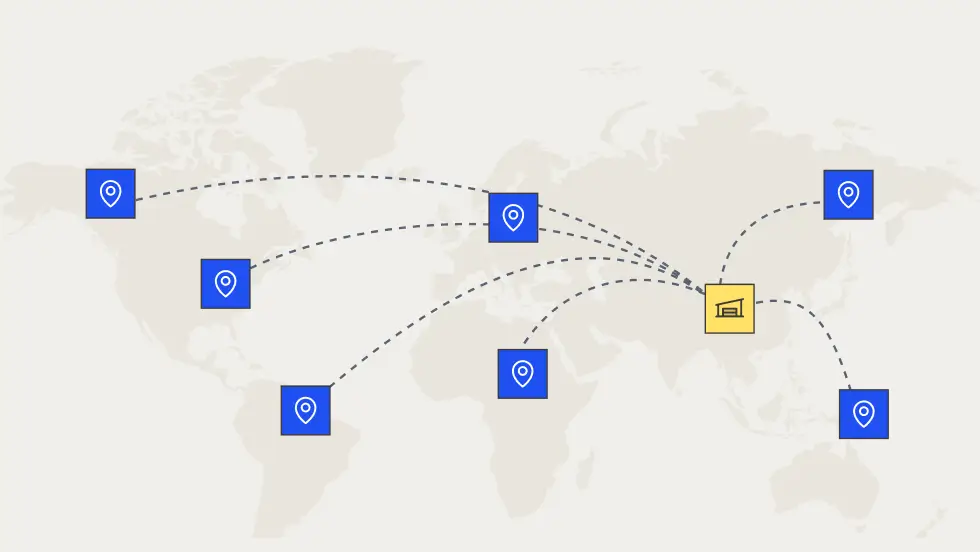
At Portless, we deliver your products to customers' doorsteps within five to eight days. This cuts tariffs and taxes, which you can model with a landed cost calculator, and removes the need for regional 3PLs, distributed inventory, or domestic warehouse overhead.
The same model gives brands two financial advantages legacy fulfillment can't match:
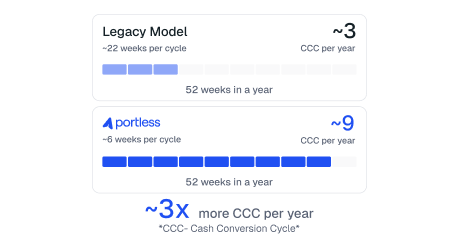
- Cash flow: With Delivered Duty Paid (DDP), you pay duties as orders ship, not upfront on a full container. Foreign Resource achieved a near-negative cash conversion cycle this way, getting paid by customers before they paid for shipping.
- Inventory risk: Producing against real demand instead of forecasts means fewer dead SKUs and less capital locked in unsold stock.
The brands winning the customer experience race aren't doing it through marketing. They're doing it by shortening the supply chain. With tariffs rising and de minimis exemptions gone, the cash flow math matters more than ever — see how Portless Series A funding and the end of de minimis is reshaping the landscape, and run your own numbers with our direct fulfillment ROI calculator. This is the next logistics revolution for DTC brands.
What these trends mean for your fulfillment model
Personalization, sustainability, and faster global delivery aren't three separate trends. They're the same shift: brands moving away from bulk inventory and domestic 3PLs toward direct fulfillment from the point of manufacture. If excess inventory, slow international delivery, or rising emissions costs are draining your margin, it may be worth talking to our team about what direct fulfillment would change for your specific cost structure.
FAQ
What are the top DTC Ecommerce trends right now?
The biggest DTC Ecommerce trends are personalized fulfillment, sustainable logistics, faster international delivery, mobile and social commerce, and direct fulfillment from the point of manufacture. Each shifts margin and cash flow more than marketing tactics do.
How big is the DTC Ecommerce market?
US DTC Ecommerce hit $212.9 billion in 2025, accounting for 19.2% of all retail Ecommerce, according to Ringly's 2026 benchmark. Customer acquisition costs have risen 222% over the past decade, making operational efficiency the new growth lever.
How can DTC brands combine personalization with low inventory risk?
Use low factory MOQs and ship directly from the manufacturer instead of pre-stocking domestic warehouses. This lets you offer SKU variants, customization, and limited drops without committing capital to inventory that may not sell.
How do DTC brands ship faster internationally without building warehouses abroad?
Ship directly from the manufacturing country to the end customer. Portless delivers to 75+ countries in five to eight days from Shenzhen or Vietnam, removing the need for regional 3PLs, distributed inventory, or domestic warehouse overhead.
Is DTC still growing in 2026?
Yes. Approximately 81% of consumers are expected to make at least one DTC purchase in the next five years, per Swell's 2026 data. Growth has shifted from acquisition-led to retention- and margin-led models.






.jpeg)

.jpg)
.jpg)
%20(1).jpg)