Last updated: May 2026
Sustainability is no longer just a marketing message. It is a logistics strategy that helps Ecommerce brands reduce waste, lower costs, and improve customer experience.
Sustainable logistics means optimizing packaging, shipping, and fulfillment to make operations efficient and environmentally responsible.
Containers and packaging generated 82.2 million tons of municipal solid waste in the most recent year reported by the U.S. Environmental Protection Agency, the largest single category of waste in the US waste stream. Last-mile delivery emissions in the world's top 100 cities are projected to rise by 32% by 2030 without intervention, according to the World Economic Forum's 2020 last-mile report.
These numbers make one thing clear: efficiency and sustainability are now the same conversation.
For DTC brands, sustainability directly supports profitability, supply-chain resilience, and customer trust. The question is no longer if you should act. It's how soon you can make logistics smarter and cleaner at the same time.
The three pillars of sustainable logistics
Sustainable logistics rests on three pillars that balance business performance with environmental and social impact:
- Environmental protection: cutting emissions, reducing waste, and minimizing unnecessary transport.
- Economic viability: keeping operations lean to protect margins and free up cash flow.
- Social responsibility: upholding fair labor and ethical sourcing practices.
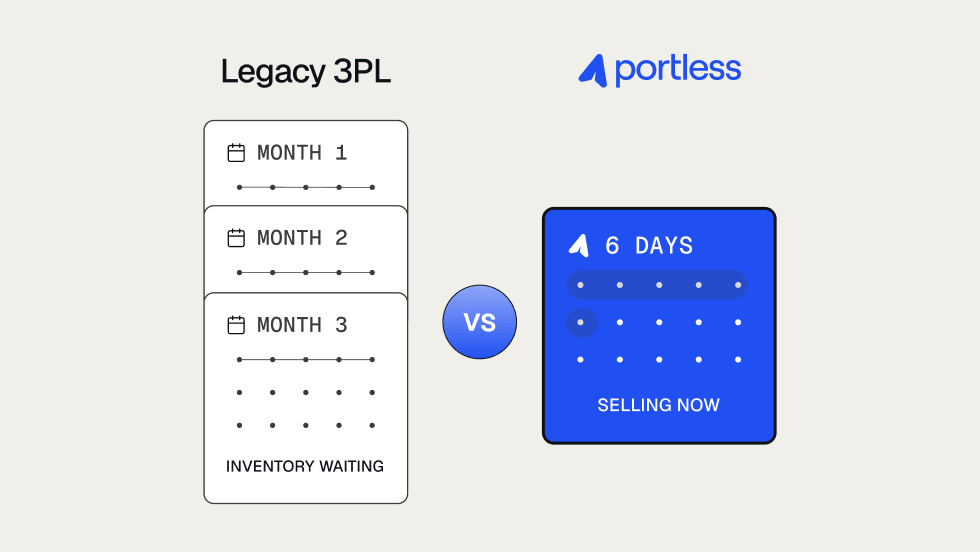
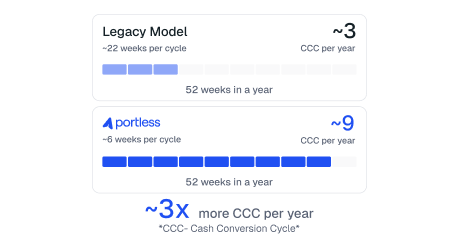
For Ecommerce brands, these pillars don't operate in isolation. A DTC brand running bulk ocean freight into a domestic 3PL is making three trade-offs at once: it's burning more fuel per unit shipped, locking up cash in months of warehoused inventory, and exposing itself to packaging and labor practices it doesn't directly control. Direct fulfillment from the point of manufacture collapses those three problems into a single, tighter loop: fewer transit legs, less idle stock, and tighter visibility into the factory floor. This is the core argument behind cargo shipping vs. China-based fulfillment. The legacy model has structural waste baked in.
The brands treating sustainability as a margin problem (not a marketing problem) tend to fix all three pillars at the same time. For a broader view of where this is heading, see the green revolution for DTC brands.
Why sustainable logistics matters for Ecommerce
Ecommerce fulfillment contributes heavily to packaging waste and last-mile emissions. At the same time, consumer expectations are shifting.
Research from McKinsey & Company shows that over 60% of consumers are willing to pay a premium for sustainably produced products in at least one category. That shift represents both pressure and opportunity for DTC brands to differentiate through smarter logistics choices, and it lines up with broader DTC and Ecommerce trends including green consumers reshaping how brands win repeat purchases.
The cost of inaction is now measurable. Supply chains account for more than 60% of global carbon emissions, according to the World Economic Forum. For Ecommerce specifically, last-mile delivery is the heaviest single contributor, and the International Energy Agency confirms transport emissions continue to rise globally year over year.
The regulatory floor is moving too. The EU Carbon Border Adjustment Mechanism (CBAM) is already in its transitional phase, and packaging rules under the EU Packaging and Packaging Waste Regulation tighten reuse and recyclability requirements for brands selling into the EU. Brands without measured emissions data and right-sized packaging will lose access to retailers, marketplaces, and entire geographies. Not in five years, now.
The takeaway for founders: sustainable logistics is no longer a CSR line item. It's a precondition for international expansion, margin protection, and shelf access. The brands that build it into their fulfillment model now compound the advantage, and the same operational discipline lets them compete on cost without a billion-dollar budget. Brands that wait pay a tax on every order.
A simple framework: the 4A model of sustainable logistics
To make sustainability practical, Portless uses a four-step framework — assess, avoid, adapt, advance — inspired by McKinsey's Net-Zero Transition research. It translates the principles from large-scale decarbonization into actions an Ecommerce operations team can apply this quarter.
It focuses on four actions that any Ecommerce brand can start applying right away:
- Assess: measure your current logistics footprint. Track emissions, packaging waste, and energy use.
- Avoid: cut the steps the legacy model treats as mandatory. Bulk ocean freight, domestic warehousing, and 3PL repackaging exist because of how supply chains were built 40 years ago, not because Ecommerce needs them today. Every removed step compounds across thousands of orders.
- Adapt: adjust operations based on live data. Use technology to optimize routes, inventory levels, and packaging needs.
- Advance: keep improving through better materials, digital tools, and greener partners.
This framework translates sustainability principles into logistics practices that actually scale for fast-moving Ecommerce brands.
Three quick wins for Ecommerce sustainability
These are simple actions that create fast results for both the environment and your margins.
1. Right-size packaging at the fulfillment center
Small packaging adjustments can reduce both material use and shipping emissions across thousands of orders.
At Portless, products arrive from the factory before being prepared for final delivery, allowing packaging to be optimized once in a controlled environment instead of multiple regional warehouses.
We'll cover how leading brands systematize this approach in our next guide.
2. Digitize documentation
Paper waste adds up fast across shipping, customs, and returns. Digitizing these processes eliminates unnecessary paper use and speeds up communication between partners.
Electronic invoices, return forms, and customs declarations save both time and materials, and improve accuracy by reducing manual entry errors.
We'll break down the tools and workflows top brands use to go fully digital in Part 2.
3. Optimize fulfillment legs
Every additional stop in your supply chain increases handling, packaging, and emissions.
Optimizing fulfillment legs means cutting unnecessary transfers between warehouses and delivering products more directly to customers.
Portless helps brands tighten this step by connecting manufacturing hubs and fulfillment centers under one system, reducing travel distance and improving delivery speed without increasing cost.
In our next guide, you'll see how global DTC brands apply this principle to achieve up to 40% fewer fulfillment touchpoints.
Three myths about sustainable logistics, and what's actually true
- Myth: sustainable shipping costs more. Reality: flag for verification — confirm the figure appears in the linked Intelligent Transport, Greener Future report before keeping the claim. If not present, replace with a verifiable figure from the WEF or IEA.
- Myth: fast delivery and sustainability can't work together. Reality: a direct fulfillment model eliminates unnecessary handoffs and distance, enabling both speed and lower environmental impact.
- Myth: only large brands can afford sustainable logistics. Reality: lean inventory planning and digital workflows make these practices accessible to any Ecommerce business.
How Portless enables sustainable fulfillment
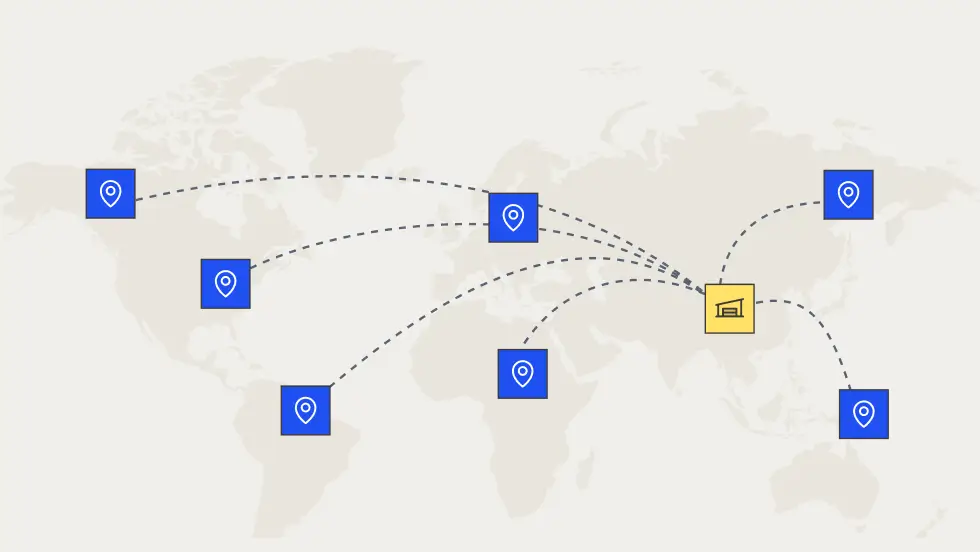
Portless removes the structural inefficiencies that drive most Ecommerce emissions. Instead of bulk ocean freight into a domestic warehouse, products move from the point of manufacture in China or Vietnam through a fulfillment center adjacent to the factory, then ship direct to the end customer in five to eight days. For a deeper operational breakdown, see how direct fulfillment from China actually works.
The model collapses the legacy fulfillment path from five touchpoints to two:
::table
Legacy supply chain;Portless direct fulfillment
Factory, port, ocean freight, domestic warehouse, 3PL, customer;Factory, origin fulfillment center, customer
45–60 days in transit;Five to eight days
Repacked two to three times;Single optimized package
:table
Every removed step cuts fuel, packaging, handling labor, and idle inventory. Brands using direct fulfillment can reduce logistics-related emissions by up to 40% while cutting transit time by roughly 75%, according to the data cited in our Part 2 guide on sustainable logistics practices.
The point isn't that Portless added a sustainability feature. The model itself is the feature. When fulfillment runs efficiently, with fewer touches, less storage, and shorter routes, emissions and cost drop together.
Sustainability and margin are the same problem
Sustainable logistics isn't a separate workstream from cost control. It's the same problem viewed from two angles: every removed touchpoint, every right-sized box, and every digitized customs document cuts both emissions and dollars. If you want to see what that would change for your specific cost structure, you can talk to our team about your fulfillment model.
FAQ
What is sustainable logistics?
Sustainable logistics is the practice of planning and managing the movement of goods to minimize environmental impact while protecting margins. It covers transportation, packaging, warehousing, and reverse logistics. For Ecommerce brands, it means cutting emissions and cost at the same time, not choosing between them.
What is the difference between sustainable logistics and green logistics?
The two terms are used interchangeably. Both describe logistics operations designed to reduce environmental impact across transportation, packaging, and warehousing. Sustainable logistics adds a slightly broader frame, including social responsibility and economic viability alongside emissions reduction.
Why is sustainable logistics important for Ecommerce?
Ecommerce drives a disproportionate share of packaging waste and last-mile emissions. Sustainable logistics reduces both while lowering fulfillment cost per order. It also protects brands from rising consumer pressure and regulatory frameworks like the EU Carbon Border Adjustment Mechanism (CBAM).
How can DTC brands make logistics more sustainable?
Start by cutting touchpoints between factory and customer. Right-size packaging at a single fulfillment point, digitize customs and shipping documentation, and consolidate transit legs. Direct fulfillment from the point of manufacture removes the warehouse-to-warehouse cycles that drive most Ecommerce emissions.
Does sustainable logistics cost more?
No. World Economic Forum research shows logistics efficiency gains through smarter routing, packaging, and container use can cut emissions by up to 15% while lowering total cost. Sustainability and margin protection are the same problem solved from two angles.







.jpg)
.jpg)
%20(1).jpg)