Shipping carrier
A shipping carrier is a company that physically transports goods from one location to another — by air, sea, road, or rail. In Ecommerce, carriers move orders from fulfillment centers to customers and include names like UPS, FedEx, USPS, DHL, and regional last-mile networks.
Every Ecommerce order touches at least one shipping carrier, and most touch several. The carrier is the company actually moving the box — not the platform that prints the label, not the 3PL that packed it, not the freight forwarder that booked the lane. Carriers own (or operate) the trucks, planes, ships, and vans that get product from point A to point B. Understanding how they work, how they price, and how they're chosen is one of the most direct ways to control your landed cost and your customer experience.
What a shipping carrier does
A shipping carrier owns the physical infrastructure — trucks, planes, sorting facilities, and last-mile delivery networks — that moves a package from a fulfillment center to a customer's door. Carriers price shipments based on weight, dimensions, distance (zones), service speed, and accessorial fees like residential delivery or signature confirmation.
Carriers fall into a few operational categories:
- National parcel carriers handle the bulk of domestic Ecommerce volume. In the US, that's UPS, FedEx, and USPS.
- International carriers like DHL move cross-border parcels with customs clearance built into their networks.
- Regional carriers (OnTrac, LSO, Spee-Dee) operate within specific geographies, often at lower cost and with faster regional transit times than national networks.
- Last-mile specialists focus exclusively on the final leg from local hub to customer.
Types of shipping carriers Ecommerce brands actually use
Most DTC brands shipping under 3.5 lbs end up using a mix of parcel and postal carriers, not freight carriers. Freight carriers move pallets and containers; parcel carriers move individual orders.
The most common categories:
- Postal carriers (USPS, Royal Mail, Canada Post) — lowest cost for lightweight packages, slower service, strong residential coverage
- Express carriers (FedEx, UPS, DHL Express) — faster transit, more expensive, better tracking visibility
- Regional parcel carriers — competitive rates within their service zones, often beating national carriers on speed and cost
- International integrators — handle cross-border shipments end-to-end, including customs
Why carrier mix affects your margins
Relying on a single carrier is one of the most common margin leaks in Ecommerce fulfillment. When you only use one, you have no negotiating leverage, no backup during service disruptions, and no way to optimize routing by destination.
A package going to Vancouver should not route the same way as one going to Miami. Yet most legacy 3PLs default to a single carrier contract because managing more is operationally complex for them. That cost gets passed to you in higher per-package rates and slower regional delivery times.
Dynamic carrier routing — where each shipment is assigned to the best-performing carrier for that specific destination, weight, and service level — consistently reduces shipping costs and improves on-time delivery. According to the Pitney Bowes Parcel Shipping Index, parcel volume continues to grow year over year, which makes carrier optimization more, not less, important.
How carriers fit into the modern Ecommerce supply chain
For brands manufacturing in China or Vietnam, the carrier conversation usually starts at the last mile. But the bigger decision is whether you're shipping bulk inventory by ocean freight to a domestic 3PL — then handing it off to a domestic carrier — or shipping individual orders directly from the point of manufacture by air, then injecting into a local carrier in the destination country.
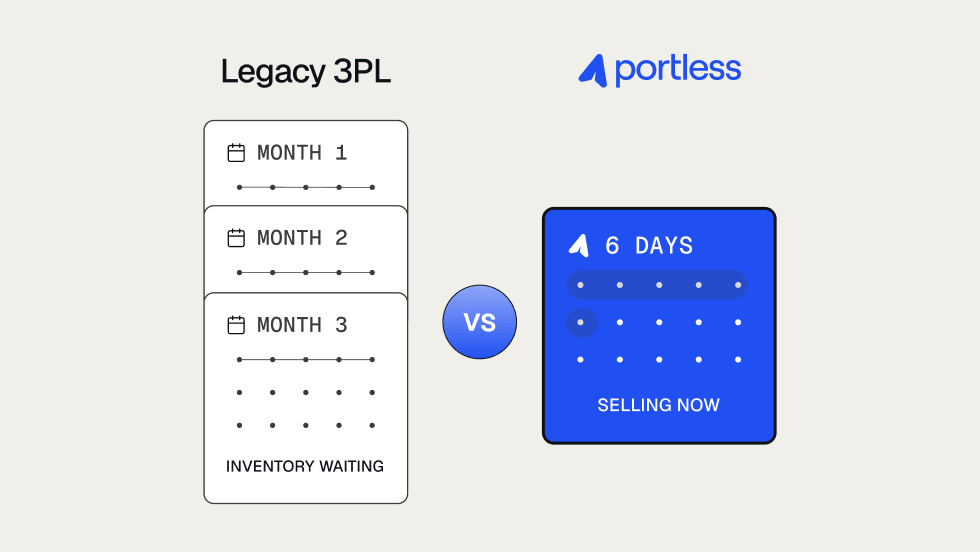
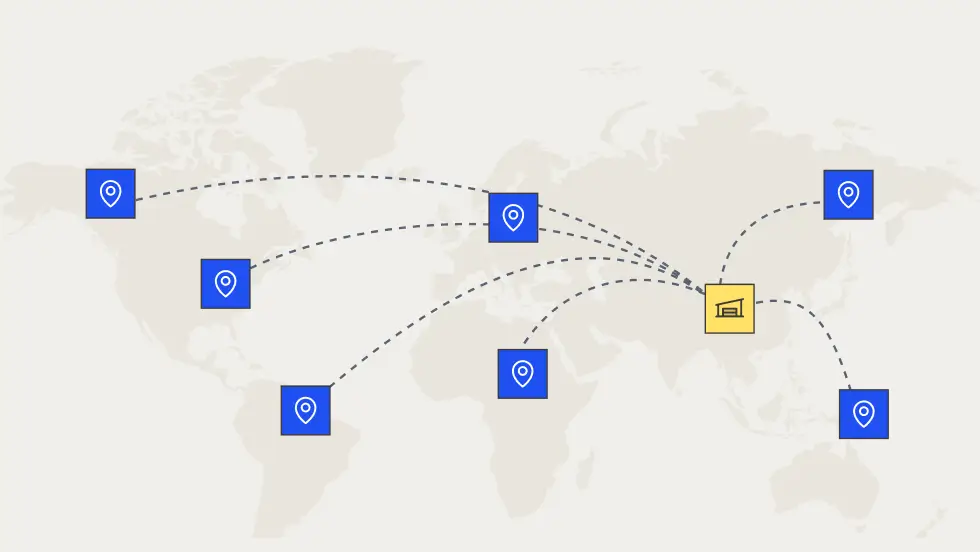
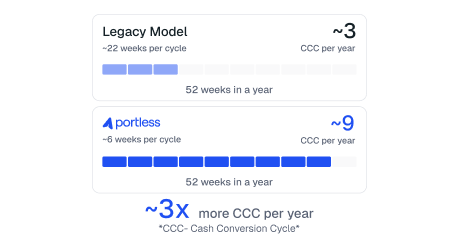
The second model eliminates an entire layer of warehousing and inventory cycles. It also opens up a much wider carrier network: instead of one or two domestic carriers, your packages can be sorted across 20+ last-mile networks based on real-time performance. This is how brands like Shein and Temu achieve domestic-feeling delivery experiences from overseas production hubs.
What to look for when evaluating carriers
When you're comparing carrier options or evaluating your 3PL's carrier mix, the questions worth asking:
- How many carriers does the fulfillment partner route across, and is routing dynamic or static?
- What are the per-zone delivery time benchmarks for the destinations you ship to most?
- Are international shipments handed off to local in-country carriers for last-mile, or staying on a single international carrier the whole way?
- What's the carrier's track record on damage, loss, and on-time delivery in your key markets?
How Portless handles carrier routing for direct fulfillment brands
Portless sorts shipments across more than 20 last-mile carriers from its Shenzhen facility, with routing decisions made in real time based on destination and carrier performance. Packages move from production to a local carrier in the destination country within five to eight days, with tracking that looks domestic to the end customer. If you want to see how dynamic carrier routing fits into your supply chain, contact us.
← Back to the Ecommerce supply chain glossary