VOEC
VOEC (VAT on Ecommerce) is Norway's simplified VAT scheme requiring foreign online sellers and marketplaces to register, collect, and remit 25% Norwegian VAT on goods valued under NOK 3,000 sold directly to Norwegian consumers.
If you sell to Norwegian consumers from outside Norway, VOEC is the rule that governs how VAT gets collected on most of your orders. Introduced by the Norwegian Tax Administration in April 2020, VOEC (VAT on E-Commerce) replaced the previous NOK 350 de minimis threshold and shifted the responsibility for VAT collection from the consumer at the border to the seller at checkout. The goal: level the playing field between Norwegian retailers and foreign Ecommerce sellers who used to ship low-value goods into the country tax-free.
For DTC brands shipping cross-border, VOEC is one of the cleaner cross-border VAT regimes to work with — but only if you understand the thresholds, the exclusions, and how it interacts with your fulfillment model.
What VOEC covers
The VOEC scheme applies to business-to-consumer (B2C) sales of low-value goods shipped from outside Norway to Norwegian consumers. Under the rules set by the Norwegian Tax Administration, it covers:
- Goods valued under NOK 3,000 per item (excluding shipping and insurance)
- Sales to private consumers, not businesses
- Foreign online shops and online marketplaces facilitating the sale
The per-item value cap matters. A NOK 5,000 order made up of three items priced at NOK 1,500 each falls under VOEC. A single item priced at NOK 4,000 in that same order does not — that item clears customs the legacy way, with VAT and any duties collected at the border.
What VOEC excludes
VOEC does not apply to:
- Goods valued at NOK 3,000 or more per item
- Foodstuffs, beverages, alcohol, and tobacco
- Goods that require special permits or restrictions
- B2B transactions
For excluded categories, standard Norwegian import VAT and customs procedures apply at the border, and the consumer typically pays VAT plus any handling fees on delivery.
How VOEC works in practice
The mechanics are straightforward once you've registered:
- You register for VOEC through the Norwegian Tax Administration's portal and receive a VOEC identification number.
- You charge 25% Norwegian VAT at checkout on eligible goods (15% on foodstuffs where applicable, though most food categories are excluded from VOEC).
- You include your VOEC number in the electronic customs data accompanying the shipment.
- Norwegian customs releases VOEC-marked shipments without collecting VAT or charging the recipient handling fees.
- You file quarterly VAT returns and remit collected VAT to the Norwegian Tax Administration.
The key operational benefit: VOEC-registered shipments move through Norwegian customs faster, and your customers don't get hit with surprise VAT charges or carrier handling fees at the door. That's a real customer experience win in a market where carrier handling fees on non-VOEC parcels can run NOK 150 or more per shipment.
Why VOEC matters for DTC brands
Norway sits outside the EU, which means it's not covered by the EU's IOSS scheme. If you're already handling EU VAT through IOSS and shipping to Norway, you need a separate VOEC registration. Skipping it doesn't mean you avoid the tax — it means your customer pays VAT at the border, gets charged a handling fee by the carrier, and waits longer for their order. That's three friction points the legacy model creates that VOEC eliminates.
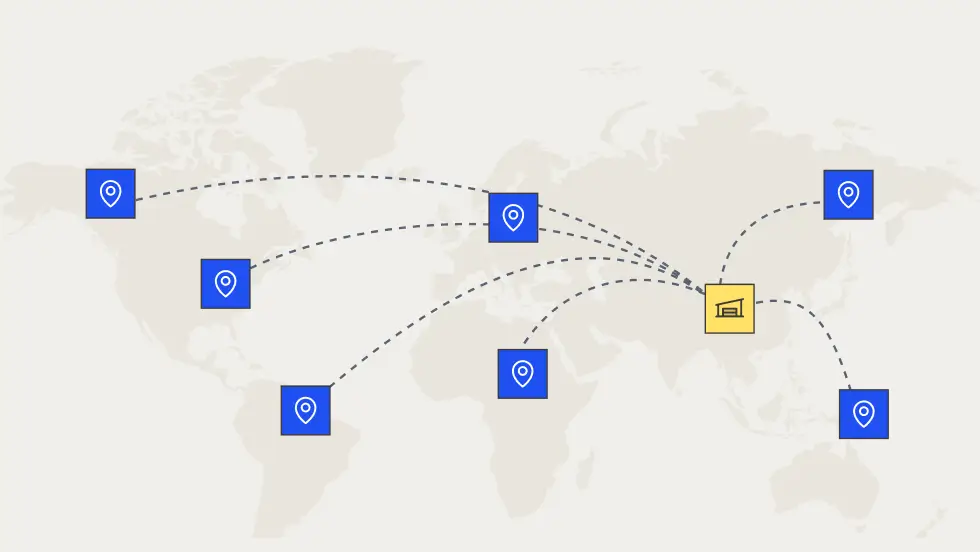
For brands manufacturing in China or Vietnam and shipping direct to international consumers, VOEC fits neatly into a DDP (Delivered Duty Paid) model. You collect VAT upfront, include the VOEC number in your shipping data, and the package clears customs without consumer intervention. The buyer sees one price at checkout and one package at the door.
Common VOEC mistakes
A few patterns we've seen trip up brands shipping to Norway:
- Applying the NOK 3,000 threshold to the whole order rather than per item, which leads to incorrect VAT treatment.
- Including VOEC-eligible and ineligible items in the same shipment without properly flagging each, which causes customs delays.
- Failing to file quarterly returns on time, which triggers penalties and can result in deregistration.
- Forgetting that shipping costs are excluded from the NOK 3,000 valuation, which can change whether an item qualifies.
VOEC fits cleanly into direct fulfillment from China and Vietnam
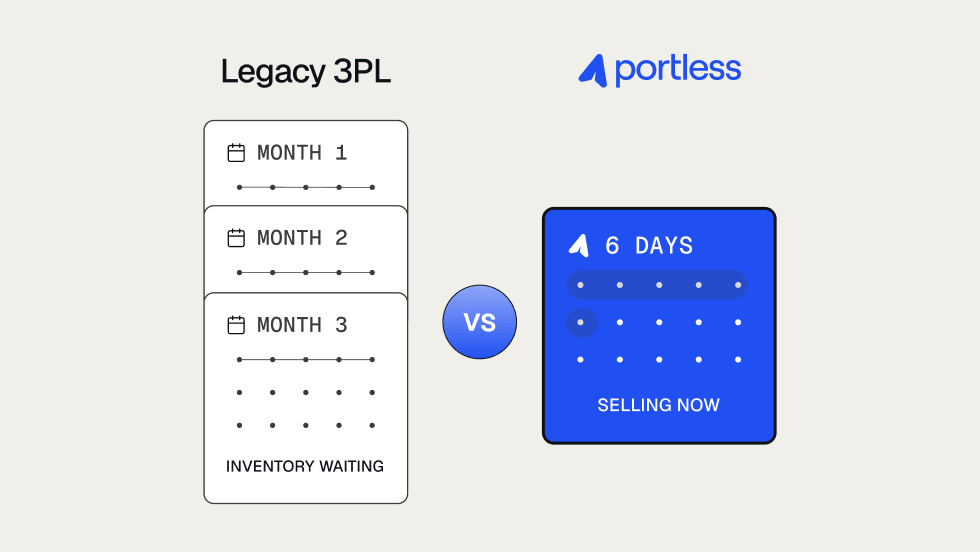
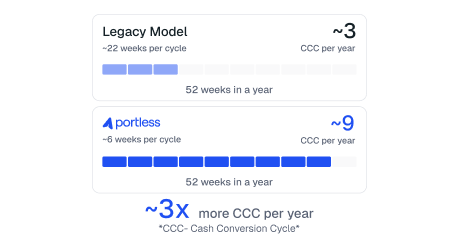
The legacy model — bulk freight to a Norwegian or EU warehouse, then domestic shipping into Norway — adds weeks of transit, ties up cash in inventory, and still requires you to handle VOEC compliance if you're selling B2C. Direct fulfillment from the point of manufacture cuts that complexity. Portless handles the VOEC-compliant shipping data, applies your VAT collection at the carrier level, and ships from China or Vietnam directly to Norwegian customers within our five to eight days delivery window. No domestic warehouse. No surprise charges at the door.
If you're shipping to Norway and want to see how VOEC fits into a direct fulfillment model, contact us.
← Back to the Ecommerce supply chain glossary