IOSS
IOSS stands for Import One-Stop Shop. It's an electronic portal the EU launched on July 1, 2021, as part of its broader VAT Ecommerce package. The scheme replaced the old €22 low-value consignment relief — which previously let small shipments enter the EU VAT-free — and put every commercial shipment into VAT scope, regardless of value.
For DTC brands shipping from China or anywhere else outside the EU, IOSS is the difference between a clean five to eight day delivery and a package stuck at customs with a surprise VAT bill waiting for the customer. It's also one of the few cross-border tax frameworks that simplifies operations rather than adding to them — if you use it correctly.
How IOSS works
The mechanics are straightforward. You register for IOSS in a single EU member state, receive an IOSS identification number, and use that number on every qualifying shipment.
At checkout, you charge the customer VAT at the rate of their destination country (rates range from 17% in Luxembourg to 27% in Hungary, according to the European Commission). You then file a single monthly IOSS return covering all EU sales and remit the collected VAT to your registered tax authority, which distributes it to the correct member states.
The shipment itself moves through customs with VAT marked as already paid. No duty collection at the border. No customer-side surprise charges. No package held in a warehouse waiting for the buyer to pay before release.
When IOSS applies (and when it doesn't)
IOSS has clear boundaries:
- Applies to goods valued at €150 or less, excluding shipping and VAT
- Applies only to distance sales of imported goods to EU consumers (B2C, not B2B)
- Applies regardless of the seller's location — non-EU brands can register through an intermediary
- Does not cover excise goods like alcohol or tobacco
- Does not apply to shipments over €150, which follow standard import VAT and duty procedures
For lightweight Ecommerce products — apparel under 3.5lbs, beauty, electronics, home goods — the €150 ceiling covers the vast majority of order values. That's why IOSS has become the default cross-border VAT mechanism for DTC brands selling into the EU.
Why IOSS matters for cross-border DTC
The old model — ship goods in, let customs collect VAT and a brokerage fee from the customer at delivery — was a customer experience disaster. Shoppers received an unexpected bill, refused delivery, and disputed charges. Brands ate the returns, the chargebacks, and the negative reviews.
IOSS solves this in three ways:
- VAT is calculated and collected at checkout, so the price the customer sees is the price they pay
- Customs clearance is faster because VAT is already accounted for, reducing transit time by days in some lanes
- Cart abandonment drops because customers aren't blindsided by post-purchase charges — transparent duty and tax calculations at checkout have been shown to reduce abandonment by over 20% in cross-border transactions
For brands using direct fulfillment from China, IOSS turns the EU from a complicated patchwork of 27 VAT regimes into a single registration and a single monthly filing.
IOSS vs. OSS vs. MOSS: clearing up the acronyms
The EU's One-Stop Shop framework has three variants, and they get conflated constantly:
- MOSS (Mini One-Stop Shop): The original scheme, launched in 2015, covered only digital services sold to EU consumers. Replaced by OSS in 2021.
- OSS (One-Stop Shop): Covers intra-EU distance sales of goods and most B2C services. Used by sellers with stock or operations inside the EU.
- IOSS (Import One-Stop Shop): Covers imports of goods valued at €150 or less from outside the EU. The relevant one for brands manufacturing in Asia.
If your inventory ships from a Portless facility outside the EU directly to an EU customer, IOSS is the scheme you need. If you're holding inventory in an EU warehouse and selling cross-border within the bloc, that's OSS territory.
How to register for IOSS
Non-EU sellers can't register directly. You need an EU-established intermediary — typically a tax representative or specialist service — who handles registration, filing, and remittance on your behalf. The intermediary is jointly liable for the VAT, which is why their compliance standards are strict.
The registration process generally takes two to four weeks, according to guidance from the European Commission's VAT One Stop Shop portal. Once registered, you receive your IOSS number, which you'll pass to your fulfillment partner and customs broker so it appears on every shipment's customs declaration.
Note: your IOSS number is confidential. It should only be shared with parties who need it to clear your shipments — not printed on packaging or visible to customers.
Common IOSS mistakes that cost brands money
A few patterns we see repeatedly:
- Splitting orders to stay under €150. Tempting, but explicitly prohibited if the underlying transaction exceeds the threshold. Customs authorities are sophisticated about catching this.
- Forgetting to update VAT rates. EU VAT rates change periodically. Your checkout needs to reflect the destination country's current rate, not a hardcoded estimate.
- Sharing your IOSS number with carriers who aren't shipping your goods. Stolen IOSS numbers get used for fraudulent shipments, and the registered seller is the one on the hook for unpaid VAT.
- Ignoring B2B sales. IOSS is B2C only. If you sell to EU businesses, those transactions follow different rules — typically reverse-charge VAT.
How IOSS fits Portless's direct fulfillment model
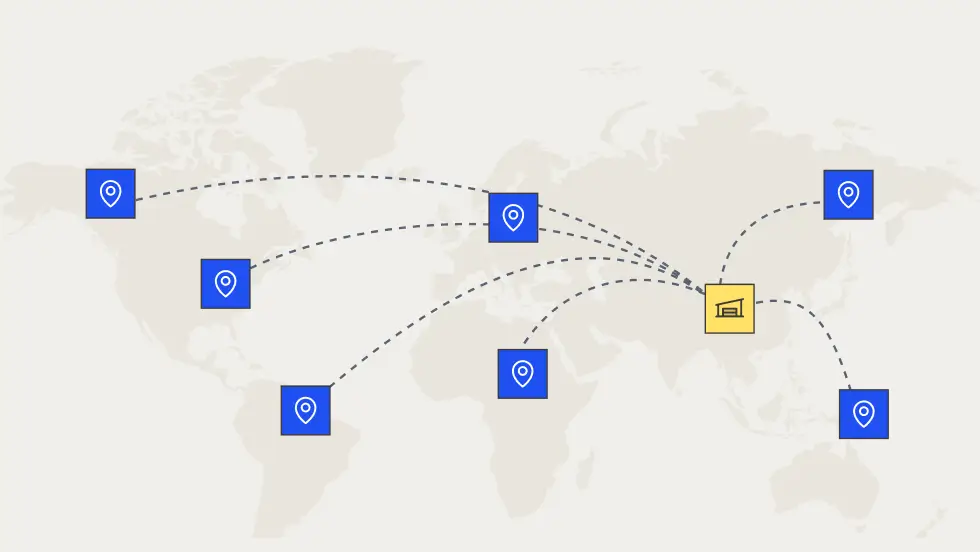
Portless was built for brands shipping from manufacturing origins in Asia directly to customers worldwide. IOSS is a core part of how we handle EU-bound shipments — every qualifying order is processed with the brand's IOSS number, VAT is pre-paid at checkout, and packages move through EU customs cleared and ready for last mile delivery.
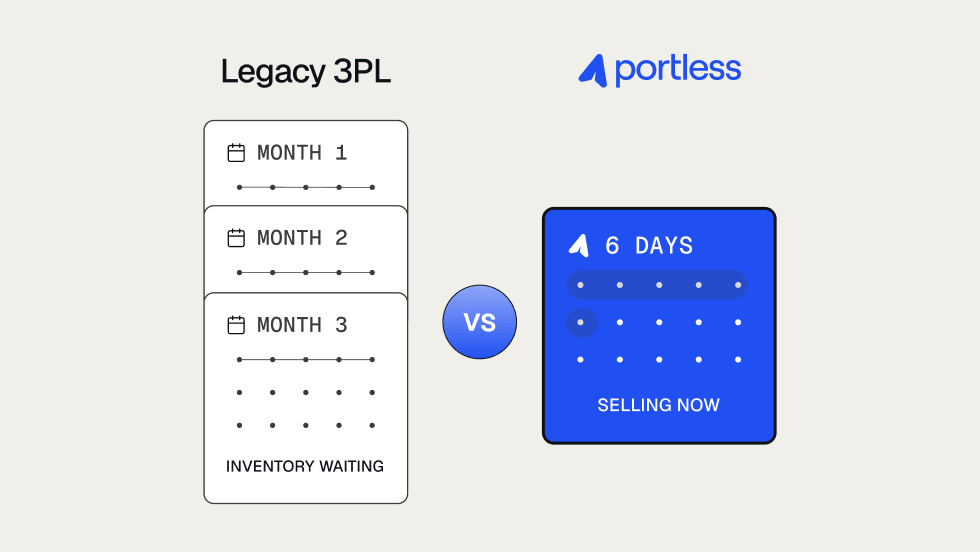
That's how brands using Portless deliver to EU customers in five to eight days from production, without local warehouses and without the customer-side friction of the legacy model. If you're selling into the EU and want to see how IOSS, DDP shipping, and direct fulfillment work together, contact our team.
← Back to the Ecommerce supply chain glossary