DDP shipping
DDP shipping (Delivered Duty Paid) is an Incoterms rule where the seller takes on all costs, risks, and responsibilities of getting goods to the buyer's door — including freight, export and import clearance, duties, and taxes. The buyer receives the shipment with nothing left to pay.
DDP shipping is one of 11 Incoterms published by the International Chamber of Commerce and it sits at the buyer-friendly extreme of the spectrum. Under DDP, the seller carries the shipment from origin to the buyer's address, handles every customs filing along the way, and pays every duty, tax, and fee that the destination country imposes. The buyer's only job is to unload the goods at the agreed location.
For DTC Ecommerce brands shipping internationally, DDP isn't just a freight term — it's a customer experience decision. Choosing DDP means your customer never gets a surprise invoice from a courier asking for an extra $40 in import VAT before they can collect their order. Choosing the alternative (DAP, formerly DDU) shifts that bill onto the customer at the door, which is one of the fastest ways to torch a first-time buyer relationship.
How DDP shipping works
A DDP shipment follows a predictable sequence, with the seller paying for and managing each step:
- Export clearance and documentation in the country of origin
- International freight (air, ocean, or rail) to the destination country
- Import clearance, including filing the entry and classifying goods under the correct HS code
- Payment of all duties, tariffs, VAT, GST, or other destination-country taxes
- Final delivery to the buyer's address, including any inland trucking or last-mile carrier handoff
The seller bears the risk of loss or damage until the goods arrive at the named destination. If a shipment gets held in customs because of a classification error or missing paperwork, that's the seller's problem to solve — not the buyer's.
DDP vs DDU (DAP): the difference that matters
Under Incoterms 2020, DDU was officially replaced by DAP (Delivered at Place), though many freight contracts and Ecommerce platforms still use "DDU" in practice. The distinction between DDP and DDU/DAP is simple but commercially significant.
::table
;DDP;DDU / DAP
Who pays import duties;Seller;Buyer
Who pays destination VAT/taxes;Seller;Buyer
Who clears customs at import;Seller;Buyer
Customer experience at delivery;Pay nothing extra;May owe duties/taxes to courier before release
Best for;DTC Ecommerce, cross-border B2C;B2B where buyer has customs expertise
:table
The data on this is clear. According to the Baymard Institute's 2025 checkout research, 39% of US online shoppers abandon checkout because of extra costs they didn't expect, and 14% abandon when they can't see the total order cost upfront. DDU/DAP shipments produce both of those failure modes — the duty bill appears at the door, not at checkout.
Why DTC brands choose DDP shipping
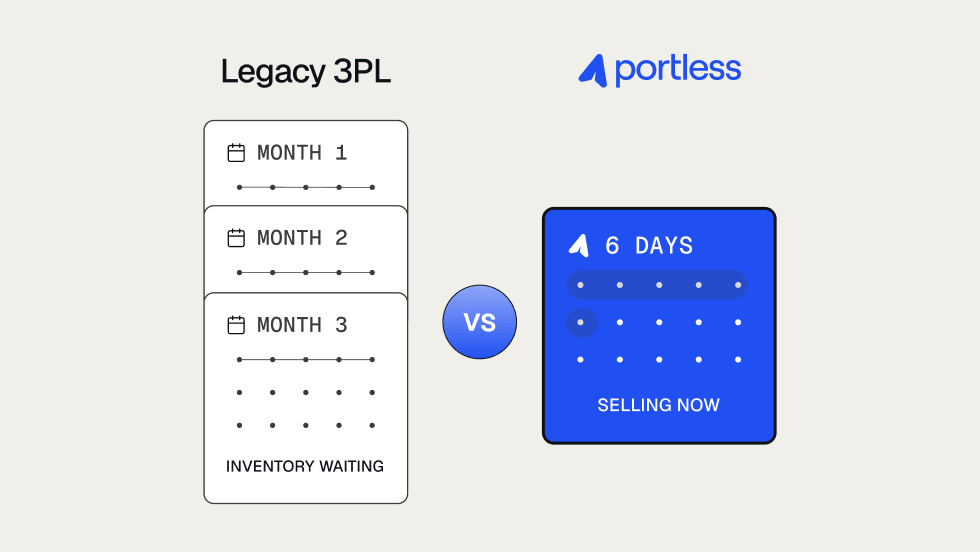
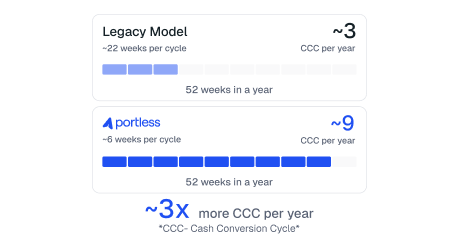
The legacy international Ecommerce model — bulk freight to a domestic warehouse, then ship locally — masks duties inside the cost of goods. Brands pay tariffs once on the whole container, months before any unit sells, and the customer never sees a duty line item.
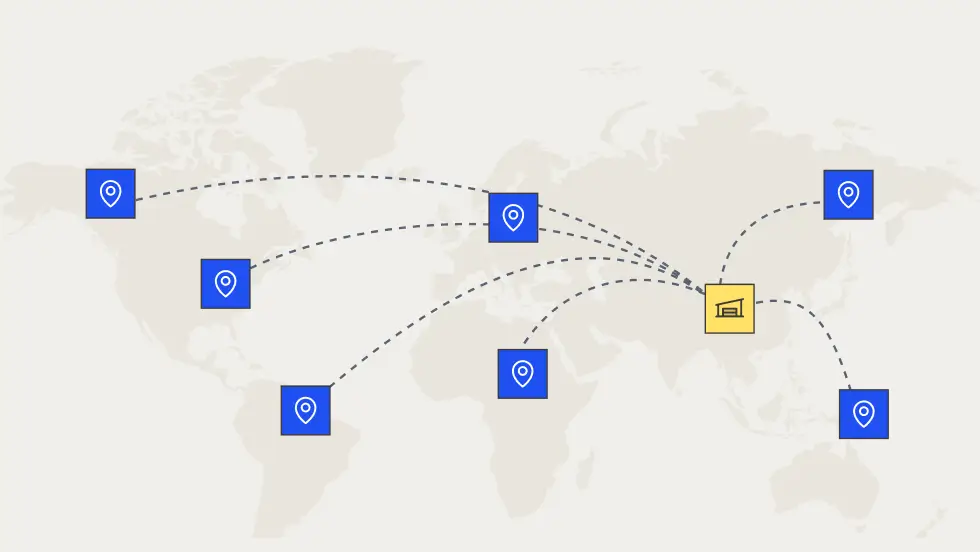
Direct fulfillment changes that math. When you ship individual parcels from Asia to customers worldwide, every order crosses a border. That means every order triggers a duty event. DDP is what makes that workable for the customer.
The benefits for DTC brands:
- Predictable customer experience. Customers see one total at checkout. No surprise fees, no held packages, no angry support tickets.
- Lower cart abandonment. Full landed cost at checkout removes the biggest source of last-step drop-off.
- Fewer refused deliveries. DDU/DAP shipments get refused when customers see the duty bill. Refused parcels become returns, and returns become losses.
- Cleaner support ops. Your customer service team isn't fielding "what is this $30 charge?" inquiries from couriers.
- Brand control. A domestic-feeling delivery experience even when the parcel originates overseas.
This is why companies running direct fulfillment at scale — Shein and Temu being the most visible examples — operate almost exclusively under DDP terms for B2C shipments.
When DDP shipping is harder than it looks
DDP sounds simple in the contract: seller pays everything. In practice, executing it requires real operational capability.
- You need an importer of record in the destination country, or a partner that provides one.
- You need accurate HS code classification for every SKU in every destination market.
- You need to calculate landed cost accurately at checkout, including duties that vary by country and product category.
- You need to handle VAT registration and remittance in markets like the EU (via IOSS) and the UK.
- You need to absorb the working capital cost of paying duties before the order is delivered.
Brands that try to run DDP on their own typically hit one of two walls: they undercollect at checkout and eat the duty cost on every order, or they overcollect and lose to competitors who priced more accurately. The third option — outsource the whole thing to a partner that handles classification, duty collection, and customs filings as part of fulfillment — is what makes DDP scalable for brands doing under 15,000 orders per month.
The legacy model couldn't deliver DDP at scale — direct fulfillment can
Portless handles direct fulfillment from manufacturers in China to customers in 85+ countries, and every shipment moves under DDP. Duties are paid upfront as part of the per-order cost, which means your customer sees the full landed cost at checkout and receives the package without a duty bill at the door. No held shipments, no refused deliveries, no support fires. If you want to see how DDP fits into your unit economics, contact our team.
← Back to the Ecommerce supply chain glossary