“We generated $70K in package protection revenue in a single quarter by adding a simple $4 protection option at checkout — plus an additional $12K from cashbacks. Customers get peace of mind, and we're making a profit on every protected order with zero effort."
“We generated $70K in package protection revenue in a single quarter by adding a simple $4 protection option at checkout — plus an additional $12K from cashbacks. Customers get peace of mind, and we're making a profit on every protected order with zero effort."
The biggest losses sit in the inventory that never makes it back to the shelf, the refunds that take too long to keep a customer, and the fraud that slips through when nobody checks the item until it reaches the warehouse.
Returns are the most neglected part of the supply chain
In most warehouses, the outbound operation runs smoothly. Ask to see returns and you'll often find the opposite. Outbound and inbound are different disciplines. You can plan what ships out from your own orders, but what comes back, when, and in what condition is much harder to predict. So even in strong operations, returns tend to be the messiest and most backed-up part of the building.
Eric Banister is Senior Vice President of Operations at Happy Returns, a UPS company that runs a box-free, label-free returns network with about 10,000 drop-off locations across the US. He spent about a decade at McMaster-Carr working in forward logistics and fulfillment before moving to the reverse side, and he's blunt about how most brands treat returns.
Returns are important, but they are often an afterthought. They feel more like an annoyance and a risk you want to drive down than a driver of growth. — Eric Banister, SVP Operations at Happy Returns
Every unit that comes back is inventory you've already paid for, and what you do with it decides how much of that money you recover. The cost of treating returns as an afterthought also grows with every order you ship, which makes it one of the quieter reasons brands hit a growth ceiling.
The real cost of a return is the lost resale
Brands tend to focus on the shipping cost of a return, but a return label costs a few dollars. The item inside is worth far more, and if it never gets back to a sellable state, that's the real loss.
We're not talking about less than $10 for a shipping label, we're talking about 40 or $50 for an item that you're selling for two times that. — Eric Banister, SVP Operations at Happy Returns
Receiving is where much of that value leaks out. Eric calls it "probably the single biggest cost bucket" for retailers and their 3PLs. Returns that arrive as loose boxes and bags spread across a trailer floor are slow and expensive to sort. Returns that arrive palletized, bagged, and marked with a scannable code go back to stock much faster. He describes the savings hiding in a messy returns operation as "a lot of found money in those couch cushions."
Speed matters because a returned item that misses its selling season usually ends up discounted. In SML's 2023 survey of apparel retailers, only 47% of returned items were resold at full price. Another 42% sold at a reduced price, and 12% weren't resold at all.
Check the item early to cut fraud and speed up refunds
When a customer mails a return, you can't check the item until the box reaches your warehouse. That delays the refund and gives fraud a chance to slip through. The same NRF research estimates that 9% of all returns are fraudulent.
Checking the item at drop-off confirms what's coming back before it ships. Eric says it "helps prevent fraud and make sure that items get verified," and once an item is verified, the refund can start right away.
That refund can start processing as soon as a credit card company can send it. — Eric Banister, SVP Operations at Happy Returns
Refund speed affects whether the customer buys again. In NRF's survey, 71% of shoppers said a poor returns experience makes them less likely to shop with that retailer again. Our post on fulfillment mistakes that kill repeat purchases covers how returns fit into the rest of the post-purchase experience.
Get most returns back on the shelf
The goal of a returns operation is resale. Most returned inventory is still sellable, so the job is to get it back to stock quickly and in good condition. Disposal, liquidation, and donation are for the small share that's damaged or can't be sold at a reasonable price. Sending resellable product to a clearance rack loses far more than absorbing that small unsellable share.
A clearance rack is usually a much greater loss of revenue for that merchant than the risk of a small percentage not being resellable within a warehouse setting. — Eric Banister, SVP Operations at Happy Returns
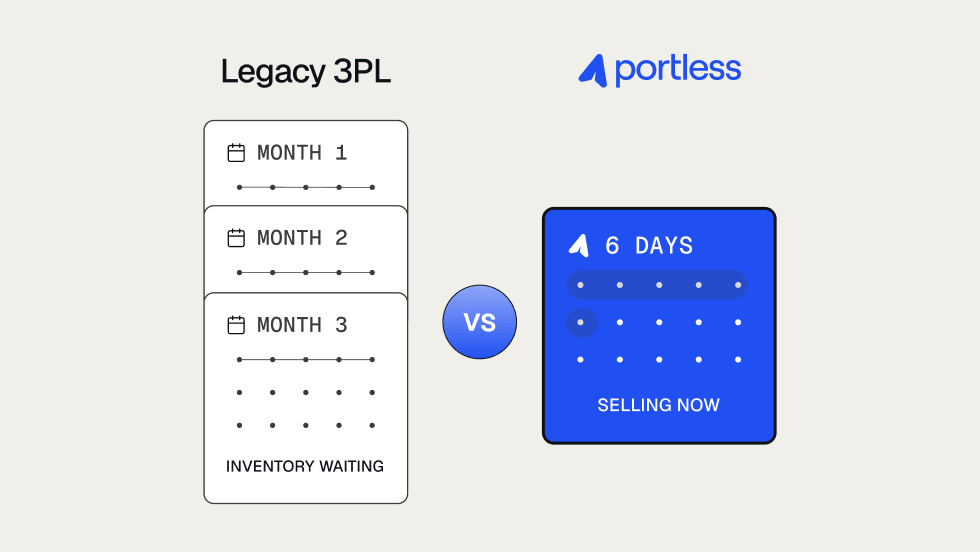
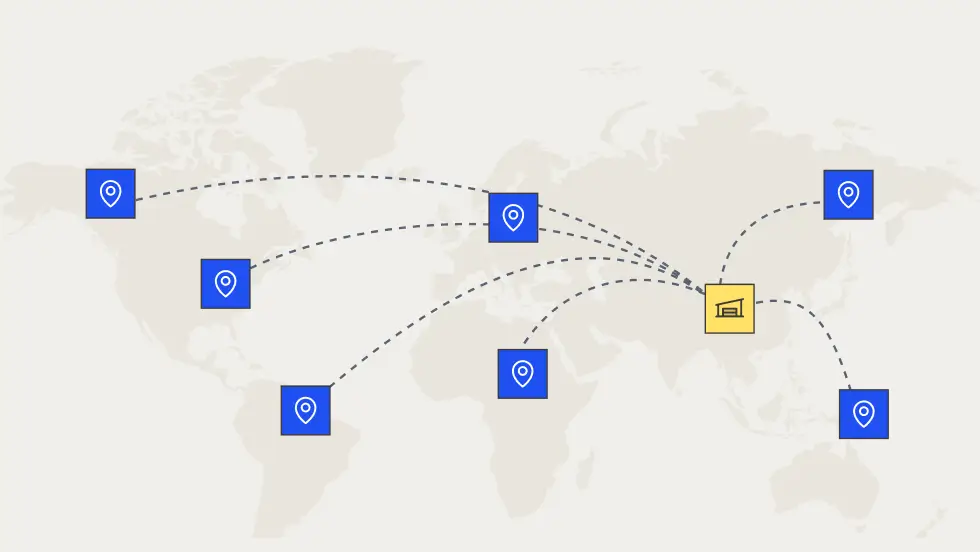
That makes reverse logistics worth running as carefully as outbound. Portless ships each order from its own fulfillment center in China, close to the point of manufacture, and delivers it through direct injection into local carrier networks in five to eight days. It also handles receiving, grading, restocking, and liquidation for returns, so returned stock can be sold again instead of written off.
Watch the full episode
Eric and Izzy went further on The Modern Supply Chain, including how AI can flag returned items that don't match the original, how brands can use data to steer customers toward an exchange instead of a refund, and why reverse logistics for marketplaces is so fragmented. Izzy summed it up at the top of the episode.
There is millions of dollars on the table if you do not have returns in your toolbox. — Izzy Rosenzweig, CEO at Portless
Lorem ipsum dolor sit amet, consectetur adipiscing elit. Suspendisse varius enim in eros elementum tristique. Duis cursus, mi quis viverra ornare, eros dolor interdum nulla, ut commodo diam libero vitae erat. Aenean faucibus nibh et justo cursus id rutrum lorem imperdiet. Nunc ut sem vitae risus tristique posuere.
Get operator-level supply chain insights
Thank you! Your submission has been received!
Oops! Something went wrong while submitting the form.






.jpg)

.jpg)
.jpg)
%20(1).jpg)