Finding the right supplier is one of the highest-stakes decisions you'll make as a brand, and the traditional way to do it is slow, opaque, and quietly expensive. Cold outreach, sampling, and price negotiation can stretch across three to six months, and plenty of brands still land on bad pricing or a factory that misses lead times.
A managed product sourcing service compresses that timeline to weeks and removes a conflict of interest most brands never realize they're paying for. Here's what that looks like, what it costs, and why the way your sourcing partner gets paid matters more than almost anything else.
Why product sourcing takes most brands months
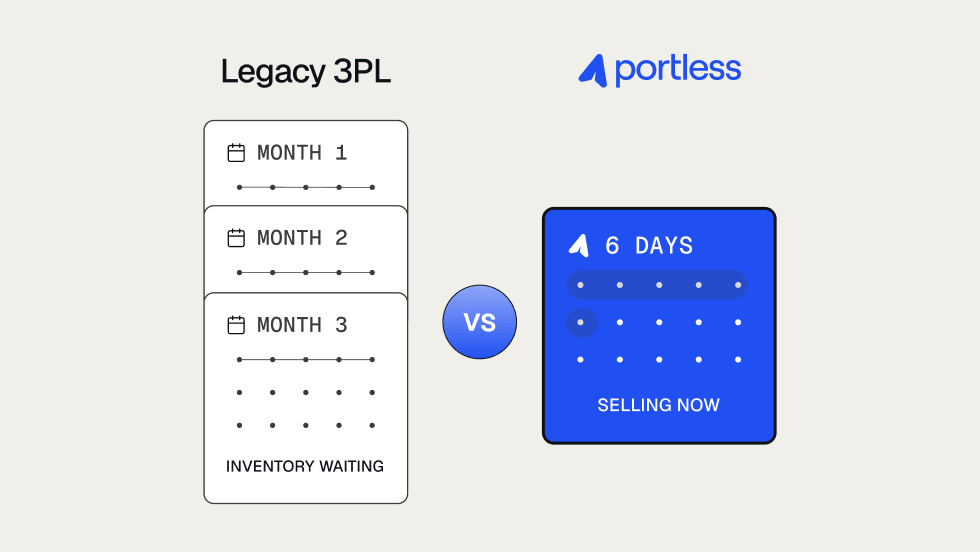
Most brands spend three to six months finding a reliable supplier, and a large share of that time disappears into dead ends. You're sending cold messages, comparing quotes you can't fully trust, ordering samples, and negotiating terms, all for the first time. A dedicated sourcing team does the same job thousands of times, so they already know which factories deliver and which ones don't.
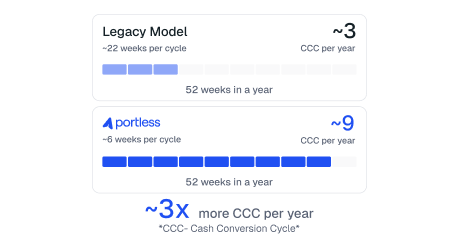
Speed isn't a vanity metric here. Every week your product isn't sourced is a week it isn't selling, and a week your cash stays tied up in a process instead of working for you. The faster you get to a first order, the faster you start shortening your cash conversion cycle. A managed service taps an established supplier network to deliver a qualified shortlist in about a week, not months of outreach.
The hidden cost most sourcing agents won't mention
Most sourcing agents get paid twice: once by you, and again by the factory sitting across the negotiating table. Per the international manufacturing lawyers at Harris Sliwoski, hidden factory commissions are routine, and switching to a direct relationship often lets the factory cut its price by 20% to 50% because it no longer has to fund the kickback. Industry sourcing guides put the typical hidden markup at 10% to 30%, quietly baked into your unit cost.
That's the part that should bother you. When an agent earns more from the factory than from you, their loyalty follows the money. They recommend the supplier paying the biggest commission, not the one that fits your specs and budget, and you rarely see the raw quote to know the difference.
This isn't a problem with sourcing from China. The factories are where great products get made. The problem is the opaque middleman model layered on top of them. A flat-fee structure fixes the incentive: you pay one fee, the partner makes nothing from any supplier, quotes are passed to you raw and unedited, and every dollar negotiated down is yours to keep. Negotiating hard on your behalf is the only way the model makes money.
Here's how the two models compare:
::table
What you're comparing;Traditional sourcing agent;Flat-fee sourcing
Who pays them;You and the factory;Only you
Factory kickbacks;Common – often 10–30% baked into your unit cost;None, in writing
Supplier quotes;Marked up, rarely shown raw;Passed to you raw and unedited
Whose interest comes first;The factory paying the biggest commission;Your specs and your budget
Savings from negotiation;Often kept by the agent;Yours to keep
:table
What you actually get from managed sourcing
A managed sourcing service does the full job for you, from research to a clean handoff, so you can move from idea to first order in weeks. The value isn't a list of tasks. It's the time you get back and the pricing you couldn't have negotiated alone.
Save months of research
You get a qualified shortlist of 2–3 vetted suppliers within about a week, matched to your product specs and budget, instead of months of cold outreach and dead ends.
Better pricing from day one
Volume relationships unlock pricing a single buyer can't get, and negotiation is a standard part of the process, not an add-on. You start with unit economics that would otherwise take months and a lot of leverage to reach.
We're paid only by you, never the factory
The service makes $0 in revenue from suppliers and takes 0% in commission, kickback, or referral fees from factories. You pay one flat fee, and that's the only way it makes money. The benefit to you is twofold: the supplier you're shown is the one that fits your specs and budget — not the one paying the biggest commission — and every dollar negotiated off your unit cost stays yours.
No surprises at the finish line
Every recommended supplier is vetted on lead times, quality, certifications, and production capacity, delivered as a clear side-by-side comparison with MOQ and unit pricing. If the first shortlist isn't right, one revision round is included at no extra charge.
Samples handled, then a clean handoff
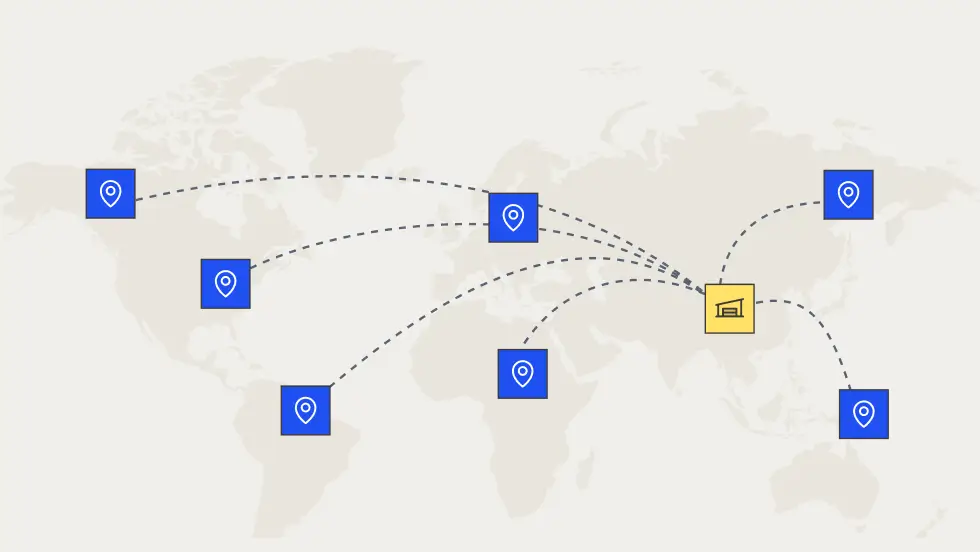
The sample process is coordinated for you, and samples can be received at the Shenzhen warehouse for a quality review (sample costs are paid by you). Once you approve a supplier, you get a formal introduction and everything you need to place your first order. From there, you can ship that product directly from the point of manufacture to customers in 85+ countries.
How it works, from brief to supplier
You can go from a product brief to a vetted supplier introduction in roughly one to two months, with the shortlist landing in your first week. The brief itself takes about two minutes.
::table
Step;Timeline;What happens
Submit your brief;Day 1;Describe your product, target pricing, and any supplier requirements. Takes about two minutes.
Initial review;Day 1–2;The team reviews your request and follows up with any clarifying questions within one business day.
Supplier shortlist;Within one week;You get 2–3 vetted supplier options with full pricing and details.
Sampling and approval;One to four weeks;You review options, request samples, and choose your partner. Sample costs are paid by you.
Formal introduction;About one to two months end to end;Once you approve, the official introduction is made and everything you need to place your first order is handed off.
:table
::callout
SEND US YOUR PRODUCT BRIEF
Already on Portless? Describe your product, target pricing, and any supplier requirements. It takes about two minutes, and you'll hear back within one business day. Start a sourcing project.
:callout
What this service doesn't do
Transparency cuts both ways, so here's what's out of scope before you start.
- No money from suppliers. Not a referral fee, a commission, a volume kickback, or quietly funded sampling. The flat fee is the only way the service makes money.
- No ongoing relationship management. After the formal introduction, your orders, payments, and any quality disputes are between you and the supplier. The handoff is clean, then the service steps back.
- Sample costs are yours. The process is coordinated, but you order and pay for samples directly.
- No guarantee of supplier performance. Suppliers are vetted rigorously, but their future production quality, lead times, and behavior can't be guaranteed. Due diligence is shared.
What managed sourcing costs
Managed sourcing is a flat fee paid only by you: $2,500 per one-off project, or $2,000 per month on a subscription, with no factory commissions of any kind. You pay for outcomes, not hours, and there are no hidden markups layered into your unit price.
::table
Plan;Price;What's included
One-off project;$2,500 per project;2–3 vetted suppliers, price negotiation, one revision round, and a formal introduction.
Monthly subscription;$2,000/mo;Up to 3 projects in parallel, unlimited projects per year, all one-off services, 5 QC inspection days per year, 1 factory audit per year, and sample shipping from the supplier covered. 3-month minimum, then cancel anytime.
:table
Stop spending months on sourcing
The right supplier shouldn't take half a year to find, and the partner finding them shouldn't be quietly paid by the factory across the table.
If you're already a Portless merchant, you can submit a product brief and hear back within one business day.
If you're not on Portless yet, book a demo to see how sourcing and direct fulfillment work together: find the product, then ship it from the point of manufacture to customers in 85+ countries.
FAQ
How do sourcing agents usually make money?
Most sourcing agents are paid by both you and the factory. They charge you a fee or commission, then take a hidden kickback from the supplier, often 10% to 30% baked into your unit price. That creates an incentive to recommend the factory that pays them the most, not the one that fits you best. A flat-fee model removes that conflict because the partner earns nothing from any supplier.
How long does product sourcing take?
Done the traditional way, finding a reliable supplier usually takes three to six months. With a managed service that taps an existing supplier network, you can get a vetted shortlist within about a week and a formal introduction in roughly one to two months.
Do I need to be a Portless customer to use the sourcing service?
Yes. Portless product sourcing is available exclusively to Portless merchants. If you're not on Portless yet, reach out to the sales team to get started.
What product categories can be sourced?
Most major consumer product categories, including electronics, apparel, home goods, beauty, health, and outdoor. If you sell it, there's likely a supplier for it.
What happens if I don't like the supplier options?
Every project includes one free revision round. The search is refined based on your feedback at no extra charge.
Can samples be sent to the Portless warehouse?
Yes. When you submit your brief, flag that you'd like to send samples to the warehouse, and the team will coordinate receipt and a quality inspection. Sample costs are paid by you.






.avif)

.jpg)

.avif)