Drayage
Drayage is the short-distance trucking of shipping containers between ports, rail yards, and warehouses. It's a small but expensive leg of the legacy ocean freight model, often costing $300–$800 per container move before goods even reach a 3PL.
Drayage is one of those line items that doesn't look like much on a quote sheet until you add up what it actually costs your brand. Every container that arrives at the Port of Los Angeles, Long Beach, Savannah, or New York/New Jersey needs a truck to pull it out of the terminal and move it somewhere else — a rail yard, a transload facility, a domestic 3PL. That short haul is drayage. It's measured in miles, billed in hundreds of dollars, and it's a leg of the supply chain most DTC operators only think about when something goes wrong: a chassis shortage, a port congestion surcharge, a missed appointment fee.
For brands manufacturing in Asia and selling to customers in the US, drayage is one of several legacy-model costs that compound before your inventory generates a single dollar in revenue.
What drayage actually covers
Drayage is short-haul container trucking, typically under 50 miles. The Intermodal Association of North America classifies drayage into several categories based on the route the container takes:
Most DTC brands encounter drayage as a pass-through cost on their freight forwarder's invoice. You see "drayage" or "port trucking" as a line item, pay it, and move on. But the cost varies widely based on port congestion, chassis availability, fuel surcharges, and detention fees if your warehouse doesn't unload the container fast enough.
Why drayage is expensive
The Federal Maritime Commission has documented structural cost pressures on drayage including chassis shortages, port congestion, and driver shortages. According to the American Trucking Associations, the trucking industry was short roughly 60,000 drivers heading into 2024, and drayage drivers — who deal with port wait times, paperwork, and fragmented dispatch systems — are among the hardest roles to fill.
The result: a typical drayage move in a major US port complex now runs $300–$800 per container, and that's before accessorial fees. Common add-ons include:
For a brand running 40 containers a year, drayage and accessorials can easily exceed $40,000 — money spent moving goods 30 miles between a port and a warehouse.
Where drayage fits in the legacy model
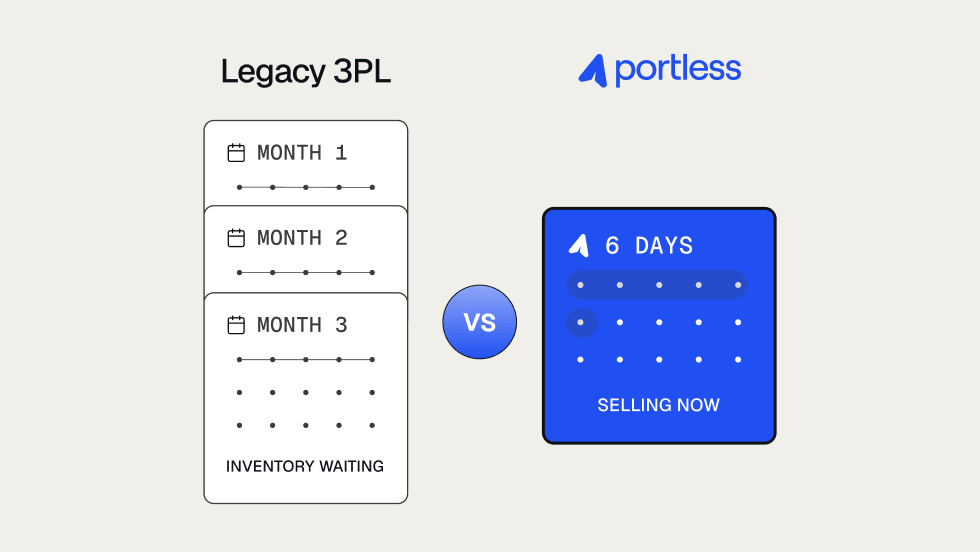
The ocean freight model works like this: your factory in Shenzhen or Ho Chi Minh City packs a container, it sails for 30–45 days, lands at a US port, sits in the terminal for 3–7 days, gets drayed to a transload facility or 3PL, gets unloaded, gets put on shelves, and eventually gets picked when a customer orders.
Drayage is the bridge between the port and the warehouse. It's also one of the most volatile costs in the chain. Port congestion in 2021–2022 sent drayage rates up by more than 60% at major US ports, and while rates have moderated, the underlying fragility hasn't gone away. A single labor dispute, weather event, or chassis shortage can spike costs overnight.
This is the cost structure DTC brands inherit when they choose to import in bulk and store domestically. You can read more about how this plays out in the 2026 inventory model and rethinking your 3PL location.
How direct fulfillment eliminates drayage entirely
Drayage exists because containers have to be moved from ports to warehouses. If you don't have containers landing at ports, you don't have drayage.
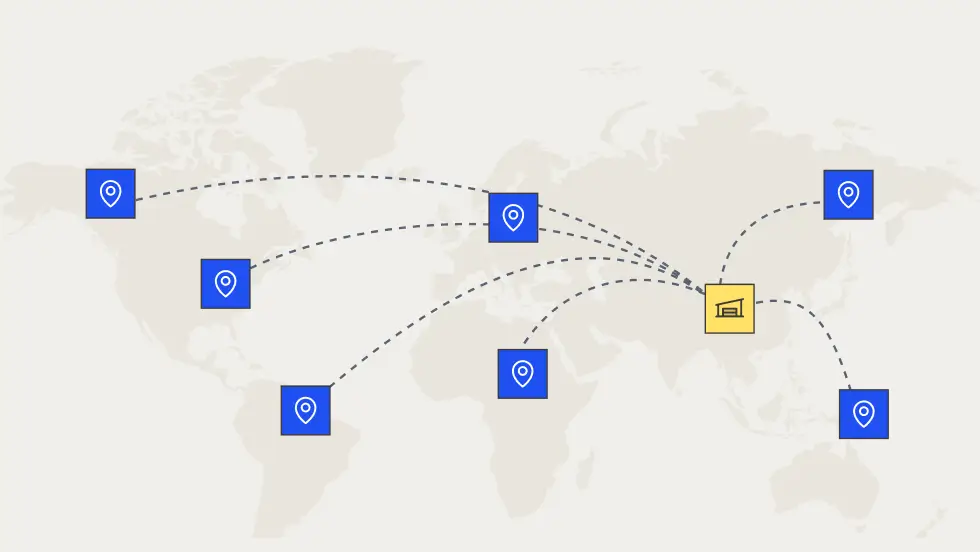
Direct fulfillment from the point of manufacture skips the entire ocean freight leg. Orders are packed at a factory-adjacent fulfillment center in Asia and flown directly into a destination country's last-mile carrier network. No container. No port. No drayage truck. No chassis fee. No demurrage clock running while your inventory sits in a terminal.
This is the model Shein and Temu have built their economics around, and it's the model Portless makes available to DTC brands doing 1,000–15,000 orders per month. You can see how direct fulfillment from China actually works and what that looks like operationally — from receiving at the factory-adjacent center to same-day air freight loading.
For brands still importing in bulk, drayage is a fixed cost of doing business. For brands using direct fulfillment, it's a line item that disappears from the spreadsheet.
Cut drayage and the rest of the legacy freight stack with Portless
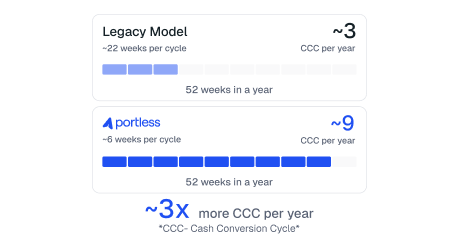
Drayage is one symptom of a bigger problem: a supply chain built around ocean containers, domestic warehouses, and the costs that connect them. Portless ships your orders directly from factories in Asia to customers in 85+ countries, in five to eight days, with no containers, no ports, and no drayage trucks in the chain.
Contact us to see how direct fulfillment changes your cost structure.
← Back to the Ecommerce supply chain glossary