Direct injection
Direct injection is a cross-border shipping method where parcels are transported from a foreign origin and handed off to a domestic carrier's last-mile network close to the end customer, bypassing legacy warehousing and bulk import freight.
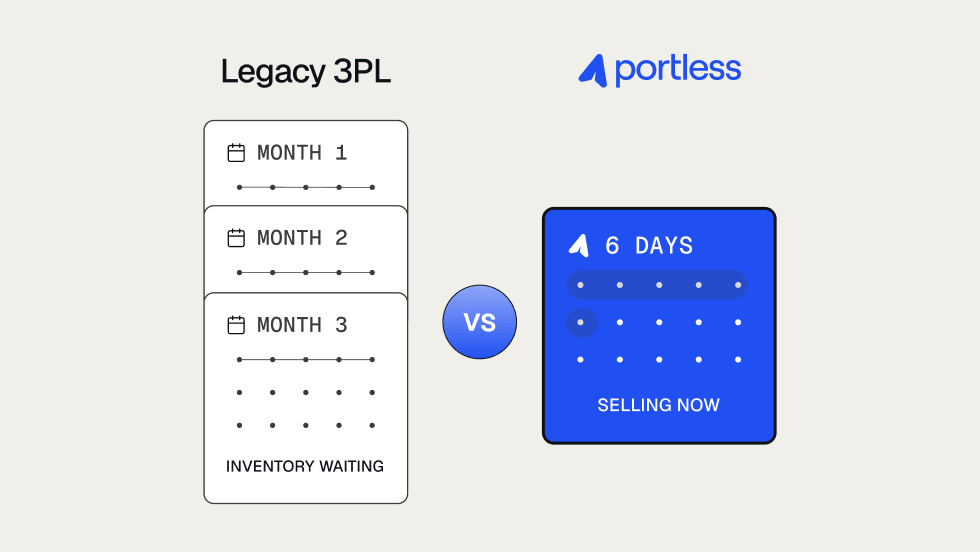
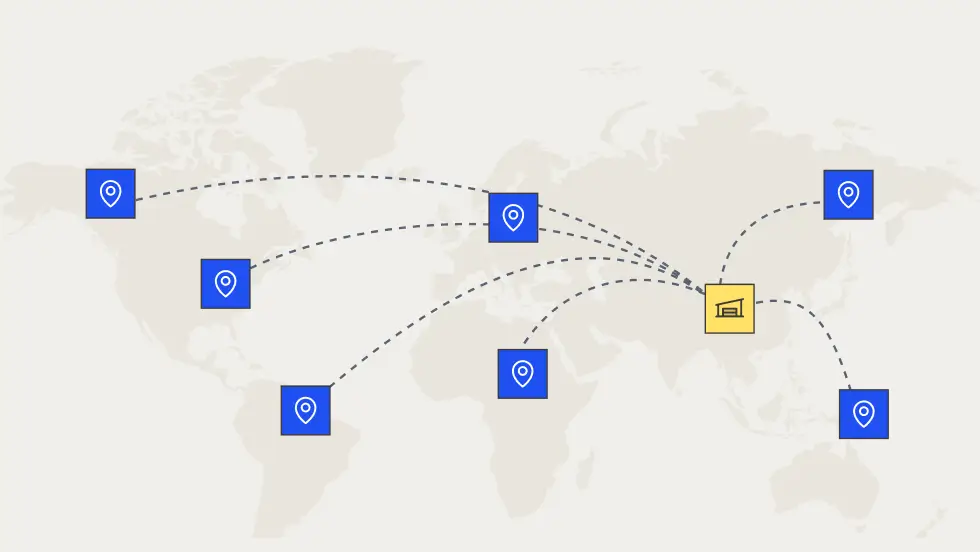
In Ecommerce logistics, direct injection (sometimes called parcel injection or zone skipping at the border) is the model that lets brands ship individual orders from a manufacturing country straight into a destination market's postal or carrier network. Instead of importing inventory in bulk, storing it in a domestic 3PL, then picking and packing months later, you produce, pack at origin, and inject parcels directly into the carrier zone closest to the customer. The shipment clears customs as individual orders, not as a pallet, and enters the last-mile network already pre-sorted.
This is the same structural model behind why Shein and Temu can move product faster and cheaper than most brands running legacy supply chains. The difference isn't volume — it's the absence of a domestic warehouse leg.
How direct injection works
A direct injection shipment moves through five steps:
- Orders are placed on your Ecommerce store and routed to a fulfillment center near the manufacturer
- Parcels are picked, packed, and labeled at origin, typically in China
- Consolidated shipments are flown to the destination country (US, EU, UK, Canada, Australia, etc.)
- Customs clearance happens in bulk at the port of entry, with duties handled under a Delivered Duty Paid (DDP) model
- Parcels are injected into a domestic carrier network — USPS, UPS, Canada Post, Royal Mail, or regional last-mile partners — for final delivery
The customer experience matches a domestic order: tracking from a local carrier, delivery in five to eight days, no surprise duties at the door.
Direct injection vs. legacy 3PL fulfillment
The legacy model assumes you need to import inventory in bulk, warehouse it domestically, and then ship from that warehouse to customers. Every step adds cost and time:
- Ocean freight takes 30 to 45 days from Asia to North America
- Domestic warehousing adds storage fees, pick-and-pack costs, and capital lockup
- Zone-based shipping penalizes you for every customer outside your warehouse's region
- A two-pound US Priority Mail package can cost 52% more in Zone 8 than Zone 2
Direct injection skips all of it. Because parcels enter the domestic carrier network close to the customer, zone premiums shrink dramatically. Because inventory never sits in a domestic warehouse, storage costs disappear. Because duties are paid per parcel at the point of import, you're not pre-paying tariffs on unsold stock.
The cash flow case for direct injection
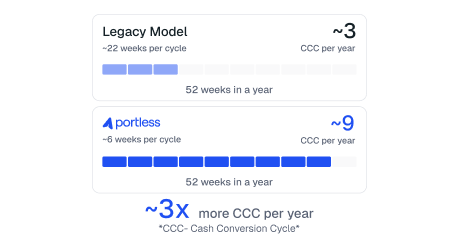
The financial impact is structural, not incremental. A legacy import timeline locks capital for around 79 days from supplier payment to cash received. A direct injection timeline closes that loop in roughly 26 days.
With $200,000 in working capital, that's the difference between four inventory turns per year and 14. The same cash works 3.5x harder. For a brand doing $1M–$15M in revenue, that compounding effect is the difference between scaling on profit and scaling on debt.
Where direct injection fits best
Direct injection works for brands that:
- Manufacture in Asia and sell to customers globally
- Ship lightweight products (under 3.5 lbs) where air freight is economical per unit
- Operate in apparel, beauty, electronics, home goods, toys, or adult categories
- Want to test new products without committing to container-scale MOQs
- Need to expand internationally without building domestic warehouse infrastructure in every market
It's less suitable for heavy or bulky products where ocean freight economics still win, or for categories requiring same-day domestic delivery.
Direct injection and tariff strategy
Since the US removed the $800 de minimis exemption in August 2025, every parcel entering the US faces duties regardless of value. Direct injection still works under this framework — it just shifts the duty-handling strategy. Under a DDP model, duties are calculated and paid per parcel at the point of import, not upfront on bulk inventory. You only pay duty on what actually sells.
This is a meaningful working capital advantage versus the legacy model, where brands pay duty on an entire container's worth of inventory months before the last unit ships.
How Portless runs direct injection for DTC brands
Portless operates the direct injection model end-to-end for Ecommerce brands. Orders flow from Shopify or WooCommerce into our fulfillment centers next to your manufacturers in Asia. We pick, pack, ship, and inject into 85+ countries' domestic carrier networks with an average delivery time of five to eight days. Duties are handled DDP. Inventory becomes available for sale days after production, not weeks. Contact us to see how direct injection would change your cash conversion cycle.
← Back to the Ecommerce supply chain glossary