De minimis threshold
For years, the de minimis threshold was the quiet engine behind cross-border Ecommerce. A US shopper buying a $40 product shipped from China paid no duty, and the brand paid nothing to clear customs. That changed on August 29, 2025, when the US eliminated its $800 de minimis exemption for all countries. The EU voted to remove its €150 threshold in November 2025, with implementation starting in 2026. The UK is set to follow by March 2029. If your brand sells internationally, the de minimis threshold is no longer a passive benefit — it's a variable you have to actively manage.
This page breaks down what the threshold is, how it's changing across major markets, and what it means for your landed cost, cash flow, and fulfillment strategy.
What the de minimis threshold actually is
The de minimis threshold is a value-based exemption set by each country's customs authority. Shipments declared below the threshold enter the country without duty, and often with simplified customs paperwork. Shipments above it trigger full duty collection, more documentation, and longer clearance times.
The threshold is based on the declared customs value of the goods — not the retail price the customer paid. Customs value typically reflects the price the importer pays the manufacturer, plus packing and certain other costs. For more on how that number is calculated, see our guide on customs valuation after de minimis.
Why the US eliminated its $800 threshold
The US de minimis exemption sat at $800 — the highest in the world — until it was suspended for Chinese goods in May 2025 and then eliminated for all countries on August 29, 2025. The White House executive order cited revenue loss, lack of customs visibility, and competitive pressure on domestic retailers.
For DTC brands, the practical impact is that every shipment entering the US now requires:
- A formal or informal customs entry, typically Type 11 (informal) for shipments under $2,500
- An accurate HS code classification
- A declared customs value tied to the manufacturer invoice, not the retail price
- Duty payment at the time of entry
Brands that built their unit economics around duty-free entry have had to rebuild them from scratch. For a deeper look at how this is playing out, see how DTC brands are adapting to the US de minimis closure.
What the change means for your landed cost
The end of de minimis adds duty to every parcel, but duty isn't the only new cost. A typical $50 product shipped to the EU after the threshold is removed will see:
- Product cost: €50
- Duty at 12%: €6
- VAT at 21%: €10.50
- Processing fees (estimated): €5–10
That's roughly a 20% increase in landed cost on a single SKU. For brands operating on thin margins, this either has to be absorbed or passed to the customer. Neither option is comfortable.
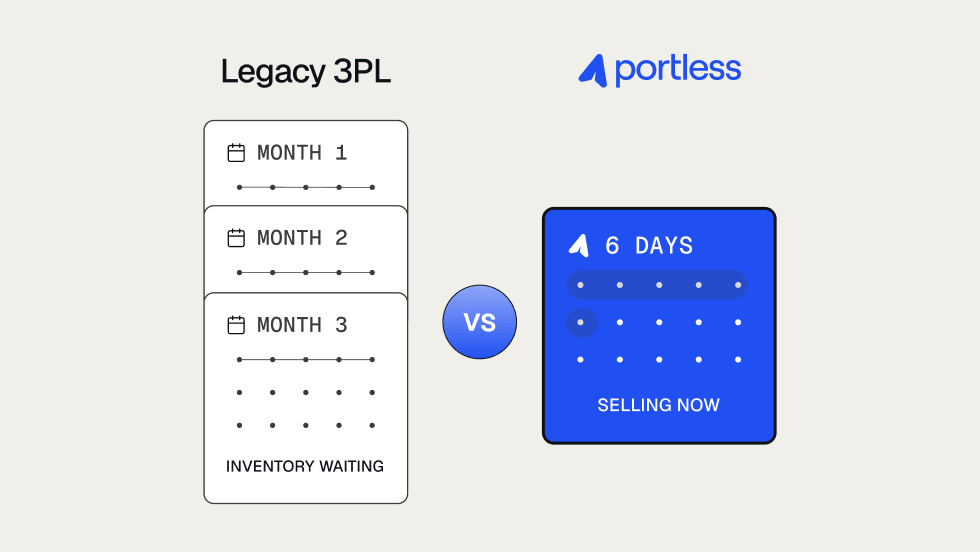
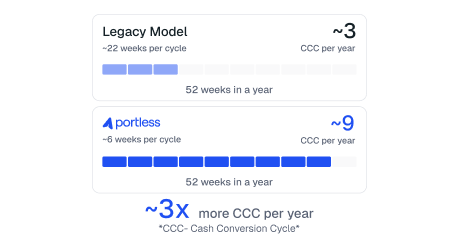
The bigger shift, though, is in cash flow. Under the legacy bulk import model, brands pay duty on entire containers months before the inventory sells. Under a per-parcel model, duty is paid only when an order ships — meaning you never pay duty on unsold inventory. That's the cash flow advantage that direct fulfillment captures.
How direct fulfillment changes the math
When duty applies to every shipment regardless of model, the question isn't whether you pay — it's when, and on what. A bulk import model pays duty on every unit at landing, including the ones that never sell. A direct fulfillment model pays duty only on units a customer has already bought.
That distinction matters more than the duty rate itself. For a full breakdown, see cross-border duty strategies for DTC brands.
How brands are responding
A few practical moves we've seen brands make since the US threshold closed:
- Move to DDP (Delivered Duty Paid) shipping so duty is calculated upfront and customers don't get surprised at delivery
- Audit HS code classifications, since the wrong code can mean overpaying duty by a wide margin
- Re-evaluate AOV strategy — bundling and higher AOV spread fixed clearance costs across more revenue
How Portless helps brands operate post–de minimis
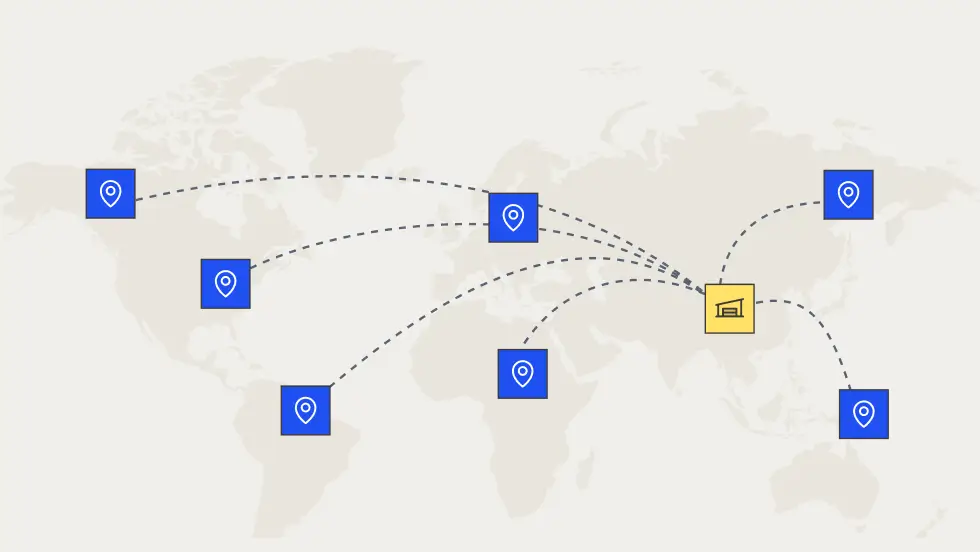
The de minimis threshold no longer protects your margins in the US, and the EU is next. Portless ships directly from manufacturers in Asia to customers in 85+ countries, with DDP duty handling, accurate customs valuation at the manufacturer invoice level, and per-order duty payment so you never pay duty on unsold stock. If you're rebuilding your cross-border strategy around the new rules, contact us to map out what direct fulfillment looks like for your brand.
← Back to the Ecommerce supply chain glossary