Fulfilled by merchant (FBM)
Fulfilled by merchant (FBM) is an Amazon selling model where the seller — not Amazon — stores inventory, picks and packs orders, ships them to customers, and handles returns and support. It's the alternative to Fulfilled by Amazon (FBA).
Most Amazon sellers default to FBA because it's the path of least resistance: ship pallets into Amazon's network and let Amazon do the rest. FBM flips that. You keep control of the inventory, the carrier, the packaging, and the customer experience — and you pay for it with operational complexity. For DTC brands that already run their own fulfillment for Shopify or WooCommerce, FBM is often the more profitable path on Amazon, especially as FBA storage and long-term fees compound on slow-moving SKUs.
This page covers how FBM works, what it costs, where it beats FBA, and how direct fulfillment from Asia fits into an FBM strategy.
How fulfilled by merchant (FBM) works
When a customer places an order on an FBM listing, Amazon passes the order to you. You're then responsible for:
- Storing inventory in your own warehouse, a 3PL, or directly at the point of manufacture
- Picking and packing the order within Amazon's required handling time
- Shipping with a carrier that meets Amazon's delivery speed and tracking requirements
- Handling customer service inquiries and processing returns
Amazon still collects payment, charges the referral fee, and surfaces the listing in search. But the physical fulfillment is entirely yours. According to Amazon's seller documentation, sellers using FBM can also opt into Amazon Buy Shipping for discounted carrier rates and tracking compliance.
FBM vs FBA: the core differences
The choice between FBM and FBA usually comes down to margin, control, and inventory risk.
::table
Factor;FBM;FBA
Storage;Your warehouse, 3PL, or factory;Amazon fulfillment centers
Fulfillment fees;Carrier costs you negotiate;Amazon's per-unit FBA fees
Storage fees;Your own (or none with direct fulfillment);Monthly + long-term Amazon fees
Prime eligibility;Only via Seller Fulfilled Prime;Automatic
Inventory control;Full visibility and routing flexibility;Locked inside Amazon's network
Returns;You handle them;Amazon handles them
Best for;Heavy, slow-moving, oversized, or high-margin SKUs;Lightweight, fast-moving SKUs needing Prime speed
:table
FBA wins on speed and the Prime badge. FBM wins on flexibility — particularly for brands that don't want their inventory locked inside Amazon's network and counted against monthly storage limits.
When FBM makes sense
FBM is the better option when:
- You already operate a fulfillment network for your DTC channel and adding Amazon orders is marginal cost
- Your products are oversized, heavy, or carry FBA fees that erode your margin
- You sell slow-turning SKUs where FBA long-term storage fees would compound
- You want to protect inventory from being commingled or counted against Amazon storage limits
- You sell internationally and want a single fulfillment node serving multiple channels
For brands selling lightweight goods (under 3.5lbs) manufactured in Asia, FBM also opens up a fulfillment model FBA can't match: shipping directly from the point of manufacture to the customer.
FBM and direct fulfillment from Asia
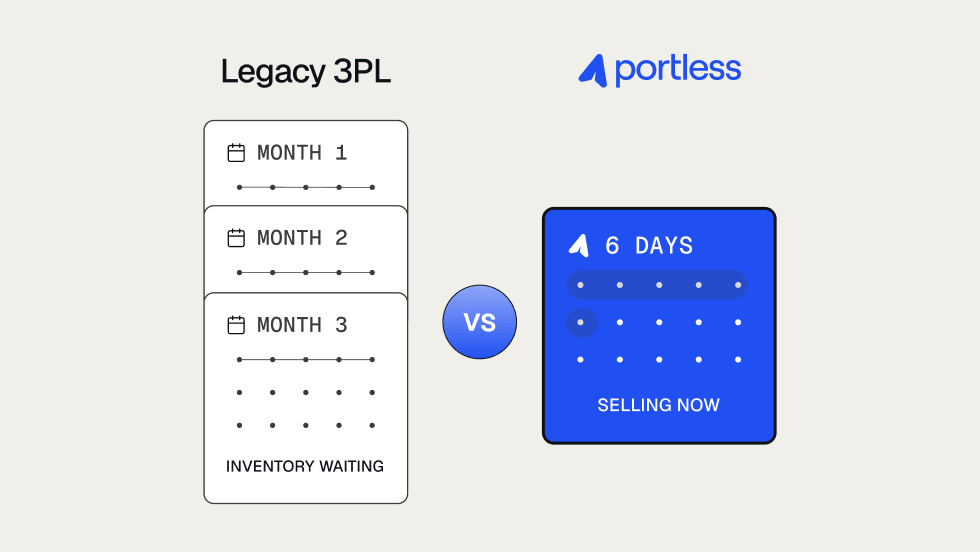
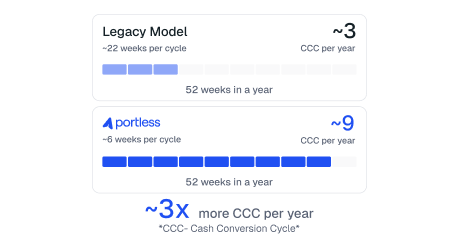
The legacy FBM playbook assumes you'll ocean freight inventory into a domestic 3PL, then ship Amazon orders from there. That model carries the same problems as any legacy supply chain: 30 to 60 day lead times, capital locked in pre-purchased inventory, and warehouse fees against unsold stock.
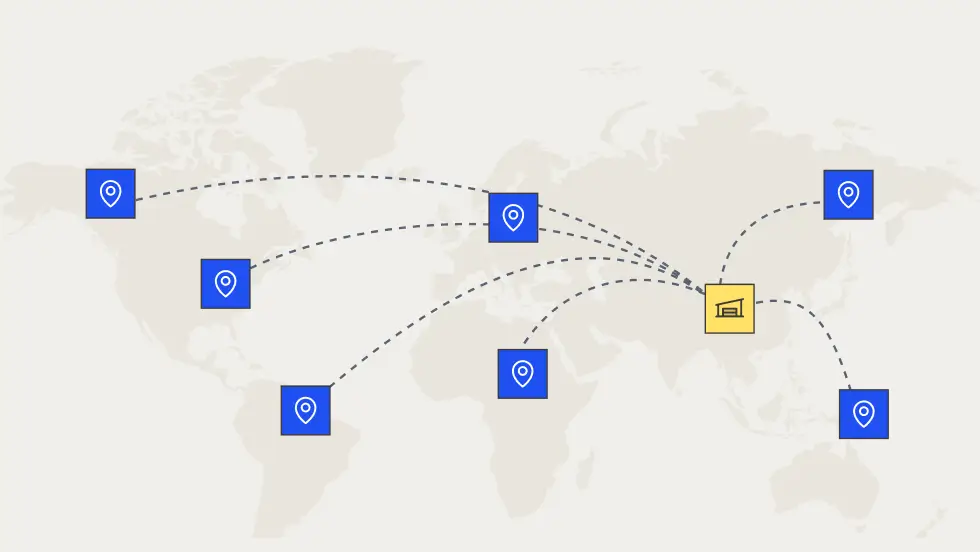
Direct fulfillment compresses that. Inventory becomes available for sale within days of production, ships in our five to eight day delivery window, and clears duties under a Delivered Duty Paid model. You skip the bulk ocean freight, the domestic warehouse contract, and the upfront duty payment on inventory that hasn't sold yet.
Shein and Temu have already proven that direct-from-China fulfillment can hit consumer expectations on speed and tracking. For FBM sellers, that same infrastructure means you can run Amazon as a sales channel without building (or renting) a domestic warehouse.
Seller Fulfilled Prime: FBM with the Prime badge
Seller Fulfilled Prime (SFP) lets FBM sellers earn the Prime badge if they meet Amazon's performance bar: on-time shipping, weekend pickup, nationwide delivery speed, and other operational requirements. SFP is hard to qualify for and harder to maintain, but for brands with a tight fulfillment operation it removes the biggest FBM disadvantage — the missing Prime badge.
If you're considering SFP, the fulfillment partner you use needs to hit Amazon's delivery speed and tracking standards consistently. That's a higher operational bar than standard FBM.
The hidden cost of FBA that FBM avoids
FBA fees aren't static. Storage fees, aged inventory surcharges, low-inventory-level fees, and inbound placement fees all stack on top of the per-unit fulfillment fee. For slow-moving SKUs, these charges can quietly turn a profitable product into a money-loser.
FBM avoids that fee stack entirely. You pay your fulfillment partner (or your own warehouse), and that's it. For brands tracking landed cost carefully, the difference shows up in gross margin — especially on SKUs that don't turn fast enough to justify FBA's pricing model.
How Portless powers FBM for DTC brands
Portless gives FBM sellers a direct fulfillment path from manufacturers in Asia to Amazon customers in the US, UK, EU, and 75+ other markets. No domestic warehouse, no bulk ocean freight, no upfront duties on unsold inventory. Inventory becomes available for sale within days of production, ships in five to eight days, and clears duties under a DDP model. If you're running FBM today and tired of paying for warehouse space and ocean freight on inventory that hasn't sold, contact us to see how direct fulfillment changes the math.
← Back to the Ecommerce supply chain glossary