Pick and pack
Pick and pack is the fulfillment process of selecting individual items from warehouse inventory and packaging them into a shipment for an end customer. It's the operational core of every Ecommerce order — and the single biggest driver of fulfillment cost, speed, and accuracy.
Pick and pack sounds simple on paper: a worker grabs the right items off a shelf, puts them in a box, and sends them out the door. In practice, it's where most fulfillment operations win or lose. Pick accuracy directly affects your return rate. Pack speed determines whether you can clear daily order volume before carrier cutoff. Pack quality shapes the unboxing experience your customer associates with your brand.
For DTC brands shipping 1,000 to 15,000 orders per month, pick and pack is also where labor cost compounds fastest. A picker walking 50 feet instead of 10 feet per order adds up to miles of wasted movement across a shift. A mispick on a $40 order can cost you $25 in return shipping, replacement product, and support time. The economics of your fulfillment operation live inside this process.
How the pick and pack process works
Most pick and pack workflows follow four steps:
- Receive the order from your Ecommerce platform or order management system (OMS), which generates a pick list
- Pick the items from their storage locations, typically using barcode scanners to verify accuracy in real time
- Pack the items into appropriate shipping materials, applying inserts, branded packaging, or kitting as required
- Label the package with carrier-generated shipping documents and stage it for outbound transport
Each step has its own failure modes. Picking errors happen when workers grab the wrong SKU or quantity. Packing errors happen when items are damaged, packaged in the wrong material, or sent without required inserts. Label errors happen when shipping data doesn't sync correctly between systems.
The four main pick and pack methods
Different operations use different picking strategies depending on order volume, SKU count, and warehouse layout:
- Piece picking: A worker picks one full order at a time, walking the warehouse to collect each item. Simple but inefficient at scale
- Batch picking: A worker collects items for multiple orders in a single pass, then sorts them at a packing station. More efficient for high-volume operations
- Zone picking: Each worker is assigned to a specific area of the warehouse and picks only items from that zone. Orders move between zones as needed
- Wave picking: Combines zone and batch methods, releasing groups of orders at scheduled intervals based on carrier pickup windows or priority
Most fulfillment centers handling Ecommerce volume use batch fulfillment or wave picking to reduce labor cost per order.
Why pick and pack accuracy matters more than speed
Speed is the obvious metric. Accuracy is the expensive one. According to the U.S. Bureau of Labor Statistics, the warehousing industry has an annual turnover rate near 49%, and high turnover correlates directly with lower pick accuracy. Top operations maintain 99.5% or higher accuracy. A drop to 98% — which sounds minor — means 200 mispicks per 10,000 orders, each one triggering a return, a refund, or a customer support ticket.
Mispicks are also a hidden cash flow drain. You pay for the original pick, the return shipping, the replacement pick, and often the inventory that gets damaged in transit twice. For a brand running on thin margins, accuracy is a profitability issue, not an operations issue.
Why pick and pack costs are different at the factory
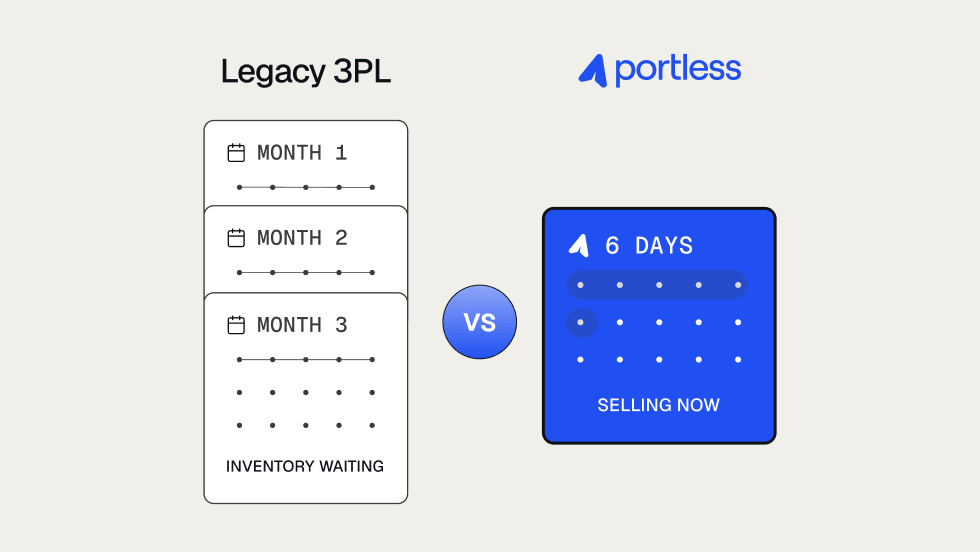
Legacy 3PL pick and pack happens in a destination-market warehouse — Los Angeles, New Jersey, Dallas — where labor costs run high and inventory has already sat for weeks. You pay to ship product across an ocean, store it, then pick it.
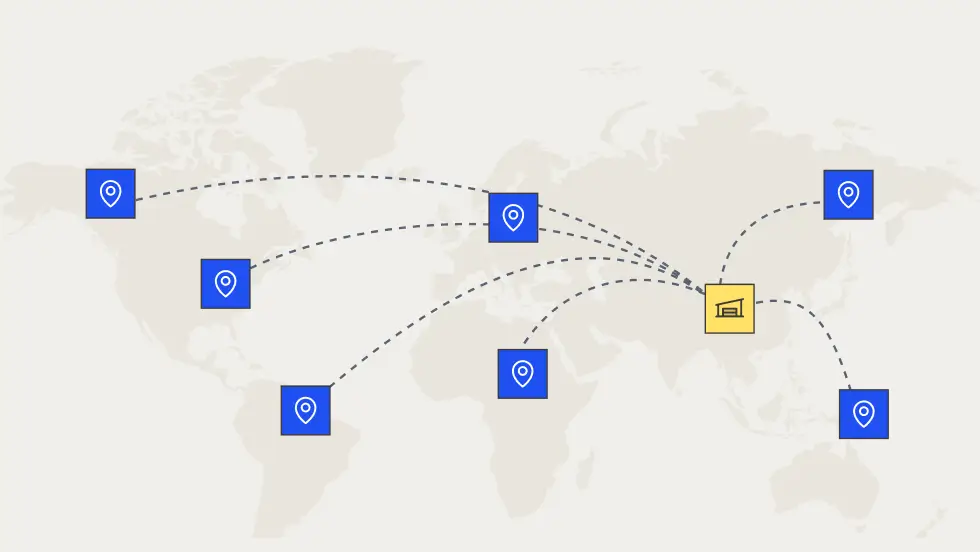
Direct fulfillment moves pick and pack to the point of manufacture. Inventory becomes pickable days after production instead of months. Labor costs are lower. Defects caught during picking can be returned to the factory the same day, not scrapped six weeks later. The Portless Shenzhen fulfillment center operates this way: products are received, inspected, barcoded, picked, and packed within walking distance of the factory that made them.
This is the same model Shein and Temu use to operate at the speed and cost levels that have reshaped consumer expectations. For DTC brands, it means the pick and pack cost line on your P&L can drop while your delivery experience improves.
What to look for in a pick and pack operation
If you're evaluating a fulfillment partner, the pick and pack details matter more than the pitch deck. Ask:
- What is your current pick and pack accuracy rate, measured over the last 90 days
- What barcode scanning and verification system do you use at each pick and pack station
- How do you handle custom packaging, inserts, and kitting requirements
- What is your same-day cutoff time and what percentage of orders meet it
- How do you scale pick and pack capacity during peak season without sacrificing accuracy
A partner who can't answer these questions with specific numbers is one you'll be troubleshooting with at 2am during BFCM. For a full evaluation framework, see the 3PL evaluation checklist for growing DTC brands.
Move pick and pack closer to your manufacturer
Pick and pack is one of the largest controllable cost lines in your fulfillment operation, and one of the easiest to overpay for. Running it from a factory-adjacent fulfillment center cuts labor cost, compresses lead times, and catches quality issues before they reach your customer. Contact Portless to see how direct fulfillment changes the math.
← Back to the Ecommerce supply chain glossary