Batch fulfillment
Batch fulfillment is a warehouse process where a single picker collects inventory for multiple customer orders in one trip through the facility, rather than picking each order individually. It reduces labor cost per order and increases throughput on high-volume fulfillment days.
Batch fulfillment is one of the most common labor-saving tactics inside an Ecommerce warehouse. Instead of a picker walking the floor once per order, they walk it once for a group of orders — often 10, 20, or more at a time — collecting all the SKUs needed, then sorting them into individual shipments at a pack station. The math is simple: fewer trips, more orders processed per hour, lower cost per pick. But the model has real trade-offs, and how it fits into your supply chain depends on where your inventory sits and how fast you need to move.
How batch fulfillment works
A batch is created when an order management system (OMS) or warehouse management system (WMS) groups orders together based on shared characteristics — usually overlapping SKUs, shipping zones, carrier, or service level. The picker receives a consolidated pick list, walks the route once, and brings everything back to a sorting area. Orders are then separated, packed, labeled, and handed off to the carrier.
The grouping logic matters. Effective batching depends on:
- Grouping orders with overlapping SKUs to minimize redundant trips
- Batching by zone or aisle to shorten the picker's walking path
- Matching batches to carrier cutoff times so nothing misses the daily pickup
- Sizing batches to the picker's cart or tote capacity
When done well, batch fulfillment can cut picking labor by 30–50% compared to single-order picking, according to industry research on warehouse picking productivity.
When batch fulfillment makes sense
Batch fulfillment works best when order volume is high, SKU overlap is significant, and order profiles are simple — typically one to three items per order. DTC brands selling apparel, beauty, or supplements often see strong gains because the same hero SKUs appear in many orders.
It's a poor fit when:
- Orders are highly customized or contain many unique SKUs
- Items require special handling, kitting, or quality control at the pack station
- Same-day or expedited shipping windows leave no time to wait for a batch to fill
- The warehouse runs lean enough that single-order picking is already efficient
The trade-offs no one mentions
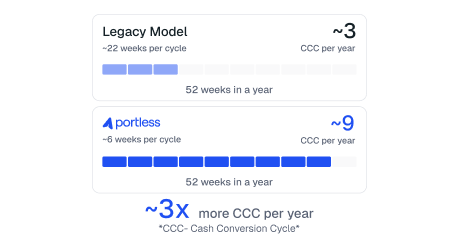
Batch fulfillment optimizes labor inside a warehouse. It does not solve the bigger problem most growing DTC brands face: capital tied up in inventory holding cost sitting in a domestic 3PL months before it sells.
If you're shipping containers from China to a US warehouse, paying duties upfront, and then optimizing the picking process — you're saving cents per order while losing dollars per unit on freight, storage, and dead stock risk. Batch fulfillment is a tactical fix inside a legacy model. It doesn't address the structural cost of forecasting demand months in advance.
Batch fulfillment vs. direct fulfillment
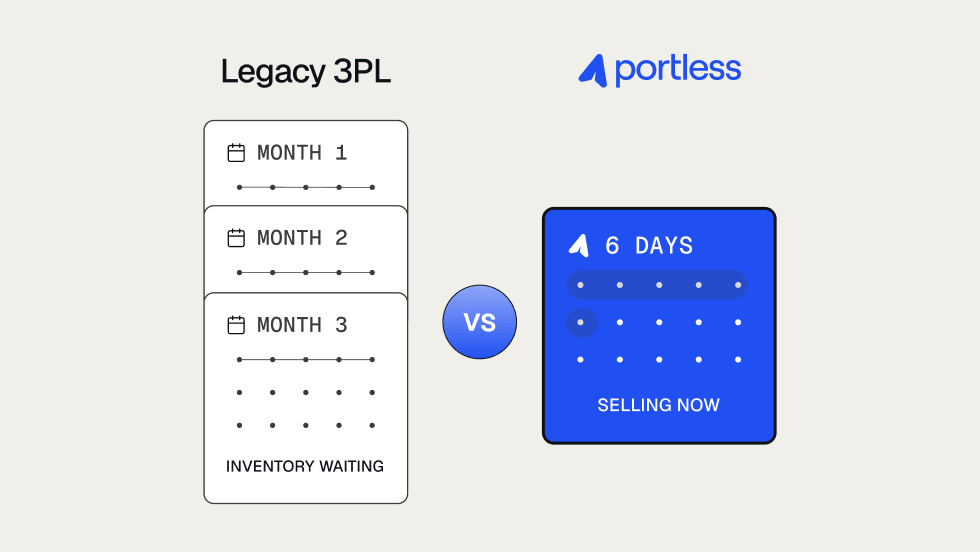
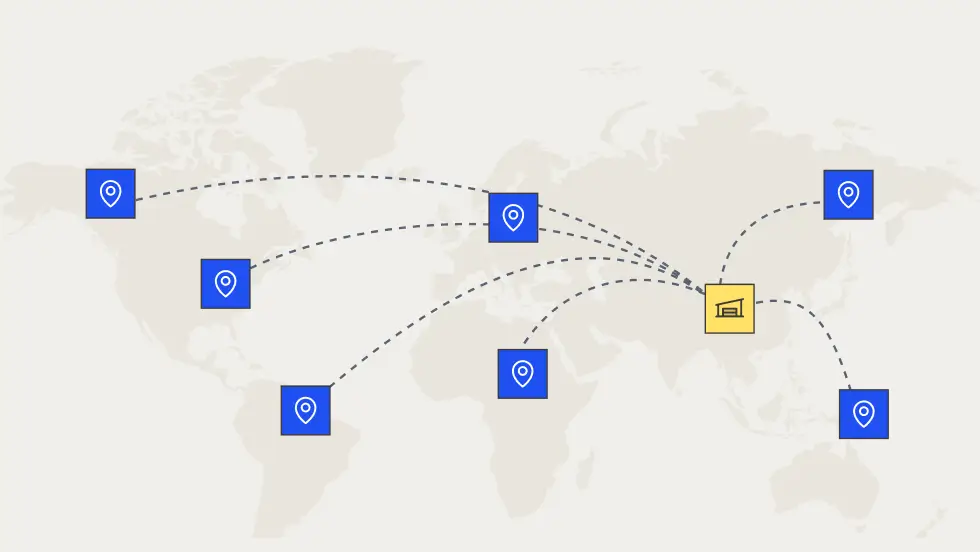
The comparison most brands miss: batch fulfillment is a warehouse-floor efficiency play. Direct fulfillment is a supply chain redesign. With direct fulfillment from the point of manufacture, individual orders ship from a factory-adjacent hub in five to eight days — no bulk container, no domestic warehouse, no upfront duties on unsold inventory.
::table
Factor;Batch fulfillment (legacy 3PL);Direct fulfillment (Portless)
What it optimizes;Picker labor per order;Capital tied up in inventory
Where it happens;Domestic warehouse;Factory-adjacent hub
Cash flow impact;None — inventory still pre-paid;Inventory becomes sellable days after production
Best for;High-volume domestic 3PL operations;DTC brands manufacturing in China
:table
Shein and Temu have proven the model at scale. Both ship individual orders directly from manufacturing regions to global customers, bypassing the batch-picking question entirely because there's no bulk inventory pool to pick from.
Where batch fulfillment still has a role
If you're running a domestic warehouse — for returns processing, B2B wholesale, or a portion of your SKU mix that requires same-day shipping — batch fulfillment is a real lever. Pair it with a strong WMS, clean SKU data, and zone-based pick paths. The gains are measurable.
But if your goal is to free up working capital, cut lead times, and avoid betting on demand forecasts six months out, the better question isn't "how do we batch faster?" It's "why are we holding this inventory domestically at all?"
How Portless changes the math on fulfillment
Batch fulfillment is a sensible optimization inside a legacy model. Portless removes the legacy model. We ship individual orders directly from manufacturers in Asia to customers in 85+ countries, in five to eight days, with duties handled via DDP. No bulk freight, no domestic warehouse, no inventory sitting on a balance sheet waiting to be picked. Contact us to see how direct fulfillment changes your cost structure.
← Back to the Ecommerce supply chain glossary