Tariff engineering
Tariff engineering is the legal practice of designing, modifying, or classifying a product so it qualifies for a lower duty rate under the Harmonized Tariff Schedule (HTS). It's not evasion — it's structuring your product to fit a more favorable classification within existing trade rules.
If you import goods into the US, your duty rate isn't fixed by the product itself — it's set by how that product is classified under the Harmonized Tariff Schedule. A jacket made of 60% cotton and 40% polyester sits in a different tariff line than the same jacket at 50/50. A motion-sensor garbage can isn't classified the same way as a basic steel one. Small design choices reprice your landed cost. Tariff engineering is the discipline of making those choices on purpose, before production, to legally lower what you pay at the border.
The practice has been validated in US courts for over 140 years, going back to the 1881 Supreme Court decision in Merritt v. Welsh, which confirmed that importers can design products specifically to qualify for lower tariff classifications as long as the final goods genuinely match the classification claimed. Courts have repeatedly upheld this: intent doesn't matter, classification does.
How tariff engineering works
Every imported good gets assigned an HTS code at the border. That code determines the duty rate. Tariff engineering works by altering one or more product attributes so the good legitimately falls under a different code with a lower rate.
The common levers:
- Material composition. Shifting fabric blends, swapping steel for plastic or composite, or changing the dominant material to land under a lower-duty heading.
- Product features. Adding electronic components, motors, or sensors that reclassify a product from one category to another — for example, from a metal household good to a mechanical device.
- Configuration at import. Importing goods unassembled, in sets, or with specific accessories included can change the applicable code.
- Country of origin. Where the product is manufactured (or where substantial transformation occurs) determines which country-specific tariff schedule applies.
A classic example: footwear duty rates vary widely based on the percentage of rubber, leather, or textile in the upper. A shoe designed with 51% textile uppers can carry a meaningfully different rate than one with 51% leather. Same shoe, different classification, different duty bill.
Tariff engineering vs. tariff evasion
This is where brands get nervous, and where they shouldn't. The legal line is clear:
- Tariff engineering changes the product itself so it genuinely qualifies for a different classification. The good imported matches the code declared.
- Tariff evasion misrepresents what's actually being imported — wrong HTS code, undervalued invoices, falsified country of origin. Illegal and prosecuted by US Customs and Border Protection.
If your product is physically what the classification describes, you're inside the rules. If it isn't, you're not. There's no gray zone.
Where tariff engineering fits in a broader cost strategy
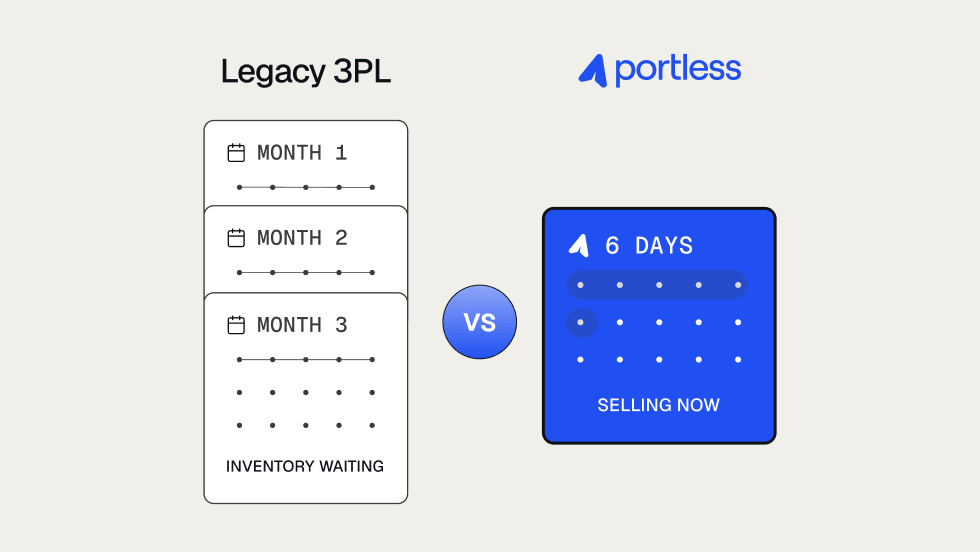
Tariff engineering reduces the rate. It doesn't change when you pay. Under a legacy bulk freight model, you still pay duties upfront on the entire container the moment it clears customs — whether the inventory sells or not. That's a cash flow problem on top of a tariff problem.
The brands building real resilience combine three things:
- Lower the rate through tariff engineering and accurate HTS classification.
- Defer the payment through structures like tariff deferment — paying duties per parcel as orders ship, instead of in bulk at import.
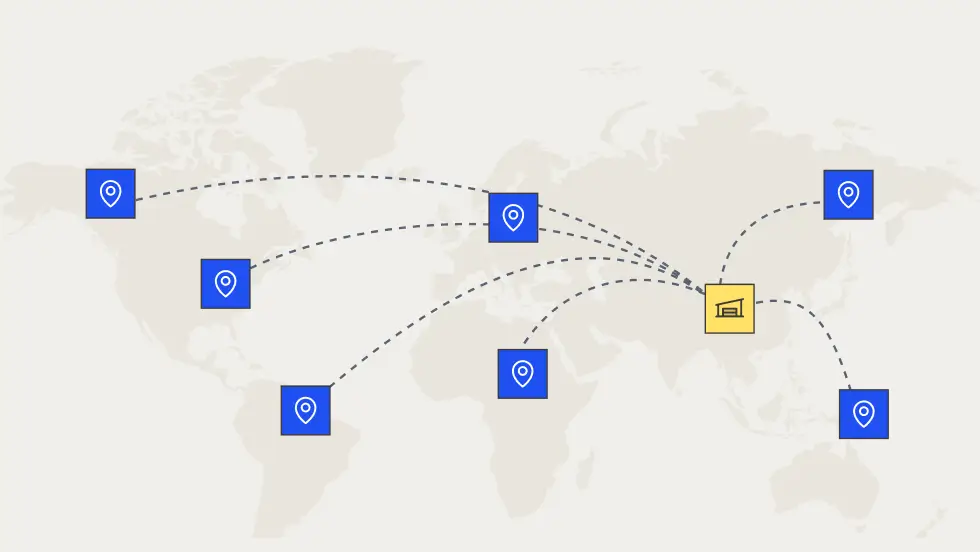
- Diversify sourcing so a single rate change doesn't reprice your entire cost base. A tariff-resilient Ecommerce supply chain is built across multiple manufacturing countries, not concentrated in one.
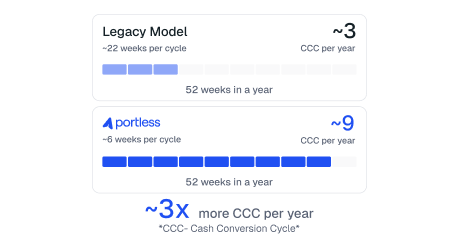
For brands manufacturing in Asia, that combination matters more than any single lever. We've seen brands optimize HTS classifications down to a lower rate and still get crushed because they paid the duty months before the inventory sold. The rate is half the equation. Timing is the other half.
Practical steps to apply tariff engineering
Before changing anything in production:
- Audit your current HTS codes. Most brands inherit classifications from their freight forwarder or customs broker and never question them. Pull every active SKU and verify the code is the most accurate — and most favorable — option available.
- Model the rate impact of small design changes. Use the landed cost calculator to test what a material swap or feature change does to your per-unit cost.
- Work with a licensed customs broker or trade attorney. Tariff engineering is legal, but the analysis required to defend a classification under audit is technical. This is where you want a specialist, not a guess.
- File for binding rulings when uncertain.CBP issues advance rulings on classification through the CROSS database, giving you written confirmation of the applicable code before you commit to a production run.
How Portless connects tariff strategy to fulfillment
Tariff engineering lowers your duty rate. Portless changes when you pay it. Our direct fulfillment model from Asia means duties apply per parcel as orders ship — not upfront on bulk containers sitting in a domestic warehouse. You get the rate benefit of smart classification and the cash flow benefit of paying duties only on inventory that's already sold. Contact us to see how the math works for your specific SKUs and sourcing mix.
← Back to the Ecommerce supply chain glossary