FCA (free carrier)
FCA (Free Carrier) is an Incoterms rule where the seller delivers goods, cleared for export, to a carrier or location nominated by the buyer. Risk and cost transfer to the buyer at that handoff point.
FCA is one of 11 Incoterms published by the International Chamber of Commerce and is the most flexible rule for modern Ecommerce supply chains. It works across every mode of transport — air, ocean, rail, road, or multimodal — which is why it's the default choice for brands moving goods out of Asia.
Under FCA, the seller (typically your factory) handles export packaging, export clearance, and delivery of the goods to a named place: either their own premises or a separate location like a port, airport, or freight forwarder's warehouse. Once the goods are loaded onto the buyer's nominated carrier, responsibility transfers. From that point forward, the buyer pays for main carriage, insurance, import duties, and last-mile delivery.
For DTC brands sourcing overseas, understanding FCA is the difference between knowing your true landed cost and getting surprised by freight invoices, customs fees, and tariff exposure you didn't plan for.
How FCA works in practice
FCA splits the shipping journey into two clear halves. The seller's job ends at the named place; the buyer's job starts there.
The seller is responsible for:
- Packaging the goods for export
- Loading goods onto the buyer's nominated transport at the seller's premises (if that's the named place)
- Handling export customs clearance and providing required documentation
- Delivering the goods to the named carrier or location
The buyer is responsible for:
- Nominating the carrier and the named place of delivery
- Paying for main international carriage (ocean or air)
- Securing cargo insurance (optional but recommended)
- Handling import clearance, duties, and taxes
- Arranging last-mile delivery to the final destination
The "named place" is the critical detail. FCA Shenzhen Factory means risk transfers when the goods are loaded onto the buyer's truck at the factory. FCA Shenzhen Port means the seller is responsible for getting the goods to the port and handing them off there.
FCA vs. FOB: why the distinction matters
Most legacy Ecommerce supply chains default to FOB (Free on Board), but FOB is technically reserved for ocean and inland waterway shipments. FCA covers everything else — and most goods moving out of Asia today fly, not float.
::table
Term;Transport mode;Risk transfer point
FCA;Any mode (air, sea, rail, road, multimodal);When goods are handed to the buyer's named carrier
FOB;Ocean and inland waterway only;When goods cross the ship's rail at the port of loading
:table
If your factory is shipping via air freight or your goods will be containerized at an inland depot before reaching the port, FOB doesn't technically apply. FCA does. Using the wrong Incoterm can cause disputes over who pays for which leg of the journey, especially when something goes wrong in transit.
Why FCA matters for DTC brands
The legacy supply chain model treats Incoterms as a back-office detail. That's a mistake. The Incoterm you negotiate determines:
- When risk and ownership transfer. This affects your insurance, your accounting, and who pays if a container is delayed or damaged.
- What's included in the unit price. A "lower" FOB price may actually cost more than an FCA quote once you factor in inland trucking, terminal handling charges, and export documentation.
- How you calculate landed cost. Margin math breaks down when brands compare quotes using different Incoterms without normalizing the costs.
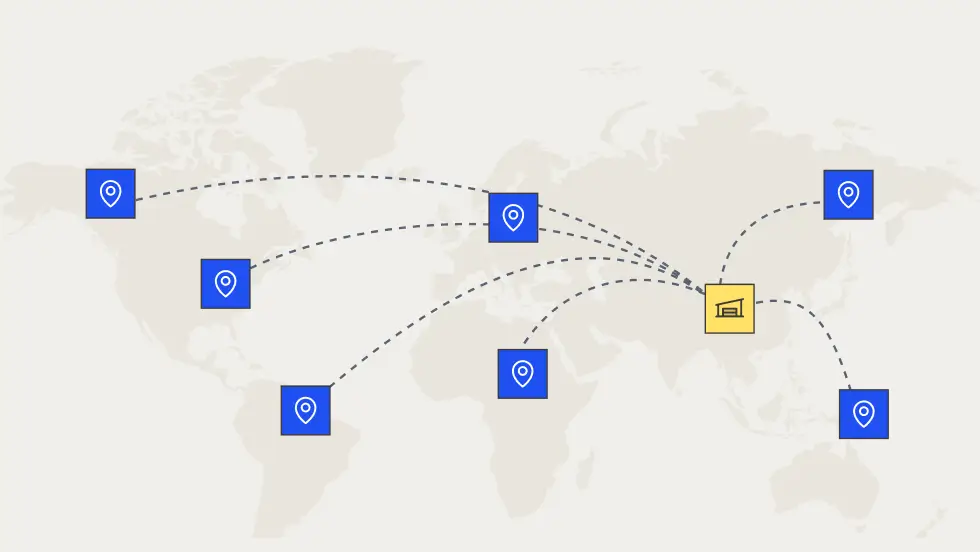
For brands using direct fulfillment from China, FCA is often the cleanest arrangement. Your factory hands the goods to the fulfillment partner's nominated carrier at a local facility, and from that point on, the goods move through a controlled, single-operator network all the way to the end customer.
When to use FCA
FCA is the right choice when:
- You're shipping by air freight or multimodal transport
- You're working with a 3PL or direct fulfillment partner that controls the carrier relationship
- You want export clearance handled by the factory but main carriage controlled by you
- You need flexibility on the named place of delivery (factory, warehouse, freight forwarder, port)
Avoid FCA when the buyer can't realistically nominate a carrier or handle the main international leg. In those cases, DAP (Delivered at Place) or DDP shifts more responsibility to the seller.
Common FCA mistakes
- Naming the wrong place. "FCA China" is too vague. Specify the exact address — factory, port, or forwarder's warehouse.
- Assuming the seller loads the truck. Under FCA at the seller's premises, the seller loads. At any other named place, the seller is not responsible for unloading at the destination.
- Skipping cargo insurance. FCA doesn't require either party to insure the goods. The buyer bears the risk during main carriage, so insurance is a buyer decision.
- Confusing FCA with FOB. Default habits from ocean freight don't translate to air. Negotiate the right term for your transport mode.
How FCA fits the Portless model
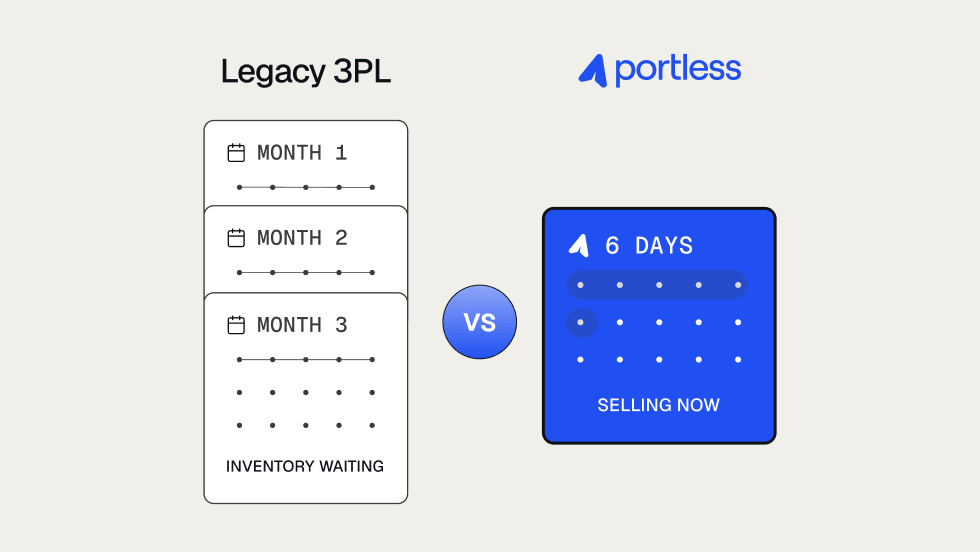
Portless operates direct fulfillment from manufacturers in Asia to customers in 85+ countries. When brands work with us, the factory typically delivers goods under FCA terms to our local fulfillment center. From there, we handle storage, pick-and-pack, international air freight, and last-mile delivery — bypassing the ocean freight cycle and domestic 3PL handoffs that lock up cash and extend lead times by months.
If you're rethinking the Incoterms in your supply chain and want to see what direct fulfillment looks like in practice, contact us.
← Back to the Ecommerce supply chain glossary