Split shipment
A split shipment is when a single customer order ships in two or more separate packages instead of one. It happens when items are stored across different warehouses, one SKU is out of stock, or package size and weight limits force the order into multiple boxes.
Split shipments are one of the most common — and most expensive — outcomes of a fragmented fulfillment network. A customer places one order, expects one box, and instead gets two tracking numbers, two delivery dates, and two chances for something to go wrong. For the brand, every split means a second pick, a second pack, a second label, and a second shipping fee. At scale, that math gets ugly fast.
The term shows up in two distinct contexts you should keep straight. In Ecommerce fulfillment, a split shipment is a multi-package consumer order. In freight and export compliance, it refers to a single booked shipment that gets divided across multiple conveyances — defined under 15 CFR 30.28 for U.S. export filings. This page focuses on the Ecommerce definition, which is what affects your unit economics and customer experience.
Why split shipments happen
Most splits trace back to one of four root causes:
- Inventory spread across multiple nodes. When you store SKUs in different warehouses, an order containing items from two locations forces two separate shipments.
- Partial stockouts. One item is available, another is on backorder. To avoid making the customer wait, you ship what you have and follow up with the rest.
- Package size or weight limits. Carriers cap individual parcels at specific dimensions and weights. Large or heavy orders physically can't fit in one box.
- Order management logic. Some order management systems automatically split orders to ship the fastest-available unit from the closest node, optimizing for delivery speed over package count.
The first cause is the one most brands underestimate. A multi-node fulfillment strategy reduces transit time but mechanically guarantees more splits as your catalog and order complexity grow.
What split shipments actually cost
The fully loaded cost of a split shipment is higher than most brands track. Each additional package adds:
- A second pick-and-pack labor cost
- A second carrier label and base shipping fee
- A second box, dunnage, and packing materials
- Higher exposure to dimensional weight pricing, since two small boxes often cost more than one larger box
- Increased WISMO (where is my order) support tickets when customers see only part of their order arrive
A 2022 SupplyChainBrain analysis noted that split shipments routinely degrade both unit margins and customer satisfaction scores, particularly when delivery dates between packages diverge by more than 48 hours.
The customer experience problem
Customers don't think in fulfillment terms. They think in orders. When one order arrives in pieces — sometimes days apart, sometimes from different carriers — the perception is that something went wrong, even when the operation worked exactly as designed. The result is predictable: a spike in support tickets, lower CSAT scores, and eroded trust on the second purchase.
Brands that compete on premium positioning take a bigger hit. A split shipment quietly signals "we couldn't get it together," even when the products are perfect.
How direct fulfillment changes the math
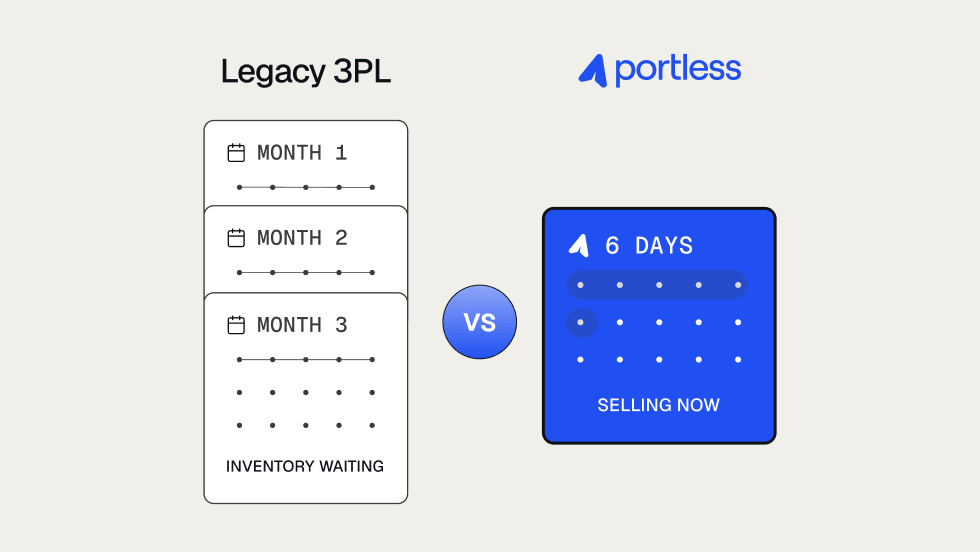
The legacy fulfillment model bakes in split risk. You hold inventory in a domestic 3PL — often across two or three regional warehouses — and the more distributed your network, the more splits you'll generate.
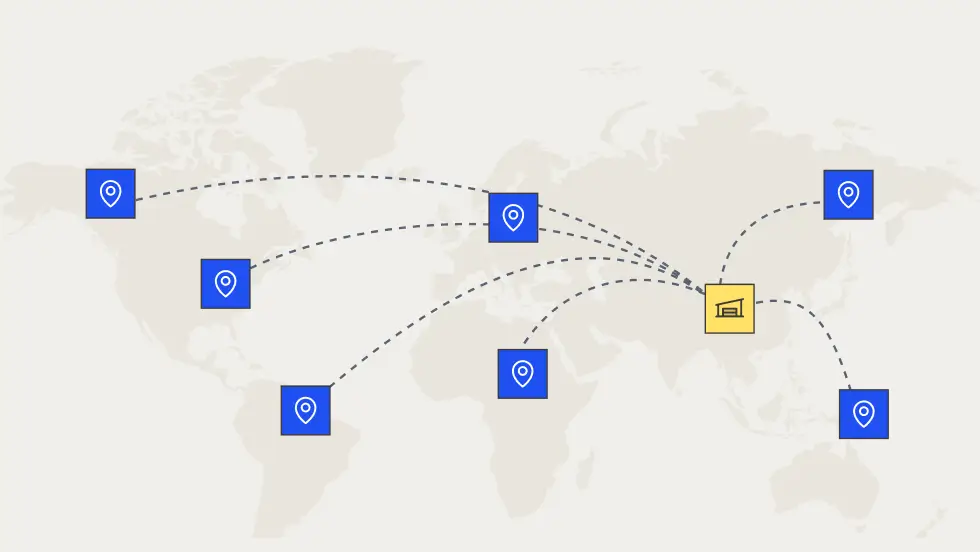
Direct fulfillment from the point of manufacture inverts the structure. When inventory sits in one factory-adjacent hub and ships directly to customers worldwide, the typical drivers of splits — multi-node inventory spread, regional stockouts, replenishment lag — largely disappear. A single order is picked, packed, and shipped from a single location. To learn more about how that works operationally, see how direct fulfillment from China actually works.
This is also why brands using just-in-time fulfillment tend to see lower split rates during peak periods like BFCM — production-aligned inventory means fewer partial stockouts and fewer "ship what you have now, ship the rest later" decisions.
How to reduce split shipments
If you're operating a traditional distributed network, you can't eliminate splits, but you can reduce them:
- Consolidate inventory upstream. Holding fewer, deeper inventory pools reduces the probability of multi-node orders.
- Tighten safety stock on bundled SKUs. Items frequently purchased together should be replenished together.
- Set order management rules that wait. If a backordered item will be available in 24 to 48 hours, holding the full order may be cheaper than splitting it.
- Right-size your packaging library. Many splits happen because the warehouse doesn't have a box large enough — not because the order truly couldn't fit.
- Measure split rate as a KPI. Most brands don't know their actual split percentage. Tracking it monthly surfaces the cost.
Cut split shipments by ditching the multi-node model
Split shipments are a tax on a fragmented supply chain. Every time you spread inventory across regional warehouses to chase one-day delivery, you generate more splits, more packaging waste, and more customer friction. Portless ships orders directly from one factory-adjacent hub to customers in 85+ countries — typically in five to eight days — without the multi-warehouse complexity that creates splits in the first place. Talk to our team to see what your operation looks like without the legacy model.
← Back to the Ecommerce supply chain glossary