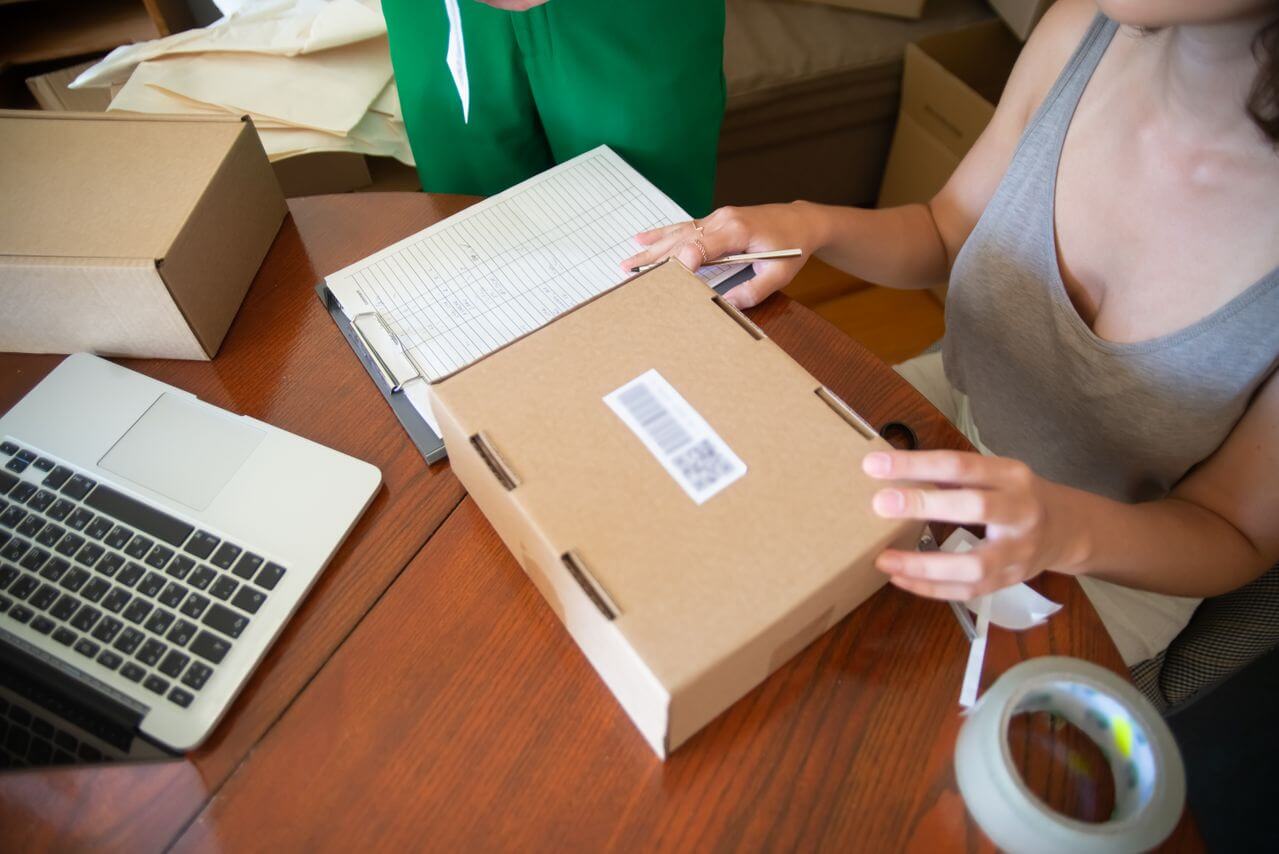
Your orders are climbing, boxes are stacking up in a spare room, and packing each one by hand eats the hours you need to grow the brand.
Most DTC Ecommerce founders hit this wall. Handing fulfillment to a 3PL is the usual next step: you buy back your time and you stop touching every box. What that decision does to your cash is the part most founders don't price in until the first invoice lands.
What is a 3PL?
A 3PL, or third-party logistics provider, is a company that stores your inventory, picks and packs your orders, and ships them to your customers. You send it your stock. It handles everything from the warehouse door to the customer's doorstep.
The model runs a large share of Ecommerce today. Grand View Research valued the global 3PL market at $1.26 trillion in 2025 and projects $2.50 trillion by 2033, a 9.1% compound annual growth rate (CAGR) from 2026.
A 3PL sits between your factory and your customer. It lets you grow order volume without renting a warehouse, hiring packers, or negotiating carrier contracts yourself. In exchange, you pay per step and you hand over part of the customer experience.
How does a 3PL work?
A 3PL works in five stages, and the first one is where your cash goes.
- Receive. The 3PL takes in stock from your manufacturer and logs it into the warehouse.
- Store. Your products sit on shelves or pallets until orders arrive.
- Pick and pack. Staff pull the right items for each order and pack them for shipping.
- Ship. The 3PL hands each parcel to a carrier for last-mile delivery.
- Process returns. The team inspects returned goods, then restocks or disposes of them.
Most goods reach a domestic 3PL by ocean freight, which adds weeks before your stock is available to sell.
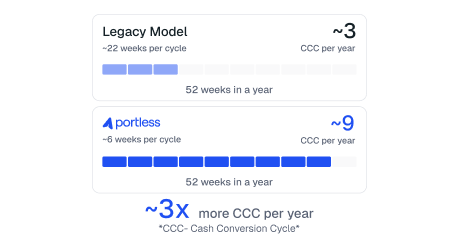
Read that order again. You buy and store inventory before a single unit sells, so your capital sits in stock that may wait weeks for a buyer. That timing gap is your cash conversion cycle, and it drives every cost trade-off in the rest of this guide.
What services does a 3PL offer?
A 3PL bundles the tasks that move a product from your factory to your customer. Core services include:
- Warehousing and storage. The 3PL holds your inventory and tracks where each item sits.
- Inventory management. Software counts stock in real time and flags low levels before you sell out.
- Carrier management. The 3PL books carriers and negotiates rates you couldn't reach alone.
- Reverse logistics. The team processes returns, then restocks or writes off the goods.
- Value-added services. Kitting, custom packaging, and inserts prepare orders the way you want them.
Larger 3PLs add a warehouse management system (WMS) and analytics dashboards, so you can watch stock and orders in one place. Ask which of these sit inside the base rate and which are billed separately, because the split varies by provider.
3PL vs 4PL, FBA, dropshipping, and in-house fulfillment
The models differ on two questions: who owns the inventory, and who ships the order.
::table
Model;Who owns the inventory;Who ships the order;Best for
3PL;You;The 3PL, from its own warehouse;Brands with steady volume that want to outsource fulfillment
4PL;You;3PLs managed by the 4PL;Large brands that want one partner running the whole supply chain
FBA;You;Amazon;Sellers doing most of their volume on the Amazon marketplace
Dropshipping;The supplier;The supplier;New sellers testing products with no inventory
In-house;You;You;Small or early brands with low order counts
Direct fulfillment;You;A fulfillment center near your factory;Brands manufacturing in Asia and selling worldwide
:table
Two comparisons trip people up. A 4PL manages your 3PLs and your wider supply chain, so it sits one layer above a 3PL rather than replacing it. Direct fulfillment gets confused with dropshipping, but ownership separates them: you own the product, the packaging, and the customer relationship under direct fulfillment, and a supplier owns all three under dropshipping. We break that down further in our direct fulfillment vs dropshipping comparison.
How much does a 3PL cost?
A 3PL charges for each step of fulfillment rather than one flat fee. Expect these line items on the invoice:
- Receiving. A fee to unload and log incoming inventory.
- Storage. A monthly charge per pallet, shelf, or bin.
- Pick and pack. A per-order fee for each shipment assembled.
- Shipping. The carrier cost to deliver each parcel.
- Returns. A fee to process each returned order.
- Setup and minimums. Onboarding costs and monthly spend floors.
Published industry ranges put storage at roughly $8 to $40 per pallet per month and pick and pack at $2 to $8 per order. The spread is that wide because billing model, market, and volume tier all move the number. Major metros can carry a 30% to 50% premium over secondary markets.
The quoted rate also hides costs that rarely appear on a rate card. Zone-based shipping is the biggest one.
Carriers price by distance, so a warehouse far from your customer costs you on every order. At 2026 USPS retail rates, a 2 lb Priority Mail parcel costs $12.65 to Zone 2 and $21.55 to Zone 8. That's a 70% premium for far-zone deliveries.
::table
Destination zone;2 lb Priority Mail retail rate;Premium over Zone 2
Zone 2;$12.65;Baseline
Zone 5;$16.85;33%
Zone 8;$21.55;70%
:table
If your 3PL sits in Kentucky, every California customer pays that gap. Zone skipping closes part of it and splitting inventory across warehouses closes more, though each option adds cost or complexity somewhere else. We walk through the full arithmetic in our breakdown of how 3PL location shapes your cost structure.
Two more costs bite quietly. Capital sits locked in pre-bought inventory, and peak-season surcharges spike your rates exactly when volume climbs. Our guide to hidden 3PL costs covers what to ask about before you sign.
Benefits and drawbacks of using a 3PL
Outsourcing fulfillment is standard practice. The 28th Annual Third-Party Logistics Study found 62% of shippers are increasing their use of outsourced logistics, and warehousing is the single most outsourced activity at 65%.
The benefits are real:
- Logistics expertise. A 3PL runs fulfillment every day, so it solves problems faster than a new in-house team.
- Scale and rates. Pooled warehouse space and negotiated carrier discounts lower your per-order cost.
- Faster shipping. Multiple warehouses put stock closer to customers and cut transit time.
- Focus. You hand off packing and spend your hours on product and growth.
Per-order cost matters more than it looks, because it decides whether you can afford to absorb shipping at checkout. FedEx and Morning Consult found 75% of consumers prioritize free shipping over fast shipping. Every dollar you cut from fulfillment is a dollar you can put toward that threshold, which is why shipping cost beats shipping speed in most purchase decisions.
The drawbacks matter just as much:
- Less control. You hand the unboxing and the delivery experience to a third party.
- Locked-up capital. You buy and store inventory before it sells, which ties up cash for months.
- Hidden fees. Peak-season, returns, and long-term storage surcharges add up fast.
When a 3PL fits, and when a direct model fits better
A 3PL fits when three things are true: your order volume is steady at roughly 100 or more a month, you have no space or staff to ship at scale, and fulfillment is eating hours you need for product and growth.
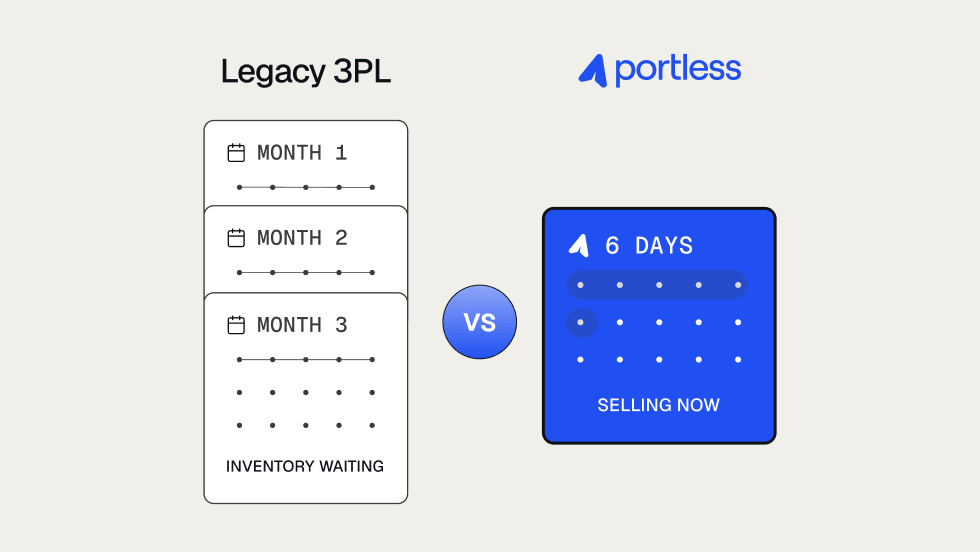
For brands manufacturing in Asia and selling worldwide, the legacy domestic model creates a blind spot. A domestic 3PL adds an ocean-freight leg and a warehouse stay before your goods ever sell, so your capital sits in stock for months.
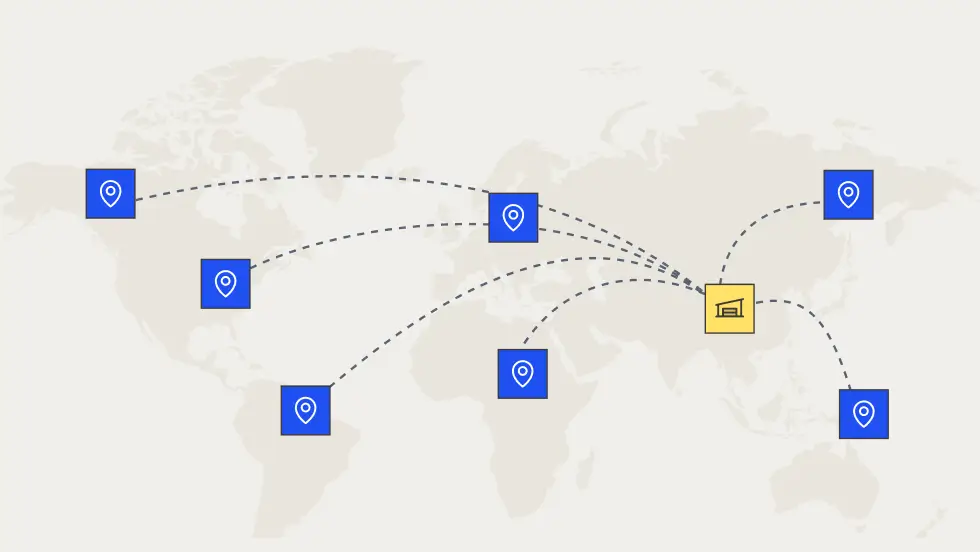
Direct fulfillment ships each order from a fulfillment center near your factory straight to your customer. You still own the inventory and the packaging. You just hold less of it, and it becomes saleable days after production instead of weeks. memobottle consolidated six regional warehouses into one hub and cut availability from up to 80 days at sea to under 24 hours after production. Most Portless brands run a cash conversion cycle under 30 days. Our direct fulfillment guide walks through the full model.
Tariffs make timing matter more. Under a Delivered Duty Paid (DDP) model, duty is paid per parcel at the time of shipment rather than upfront on inventory that hasn't sold. Shein and Temu built their growth shipping this way.
Operators feel the pressure. Our 2026 Ecommerce Tariffs Benchmark Report found 62% of brands named high or unpredictable tariff costs their number one challenge, and 71% are accelerating or newly considering international expansion. We cover what to do about it in our guide to managing inventory during tariff changes.
How to choose a 3PL
The right 3PL depends on your products, your customers, and your growth plan. Weigh six criteria before you sign:
- Platform integrations. Confirm it connects to Shopify, WooCommerce, or your store with no manual work.
- Warehouse locations. Check that facilities sit near both your production and your customers.
- Transparent pricing. Ask for a full fee schedule, including surcharges and monthly minimums.
- Customs and tariff expertise. Confirm the partner can handle cross-border duties and paperwork.
- Scalability. Confirm it can absorb peak-season spikes without service drops.
- Accuracy and reliability. Review pick-and-pack accuracy rates and service level agreements (SLAs).
Customs expertise is now a baseline expectation rather than a bonus. 40% of operators in our benchmark data rank it a top criterion for a fulfillment partner. For a deeper checklist, use our 3PL evaluation framework, or compare providers in our roundup of the best Ecommerce fulfillment services.
See how Portless works
A 3PL is the right tool for a lot of brands. If your inventory turns predictably and your customers sit close to your warehouse, the model works.
If your priority is faster cash and less inventory risk while selling worldwide, a domestic warehouse still bets your capital on stock months before it sells. Direct fulfillment changes that math. You produce to real demand, pay duty per parcel as orders ship, and reach customers in 85+ countries in five to eight days. Contact us to see what the model looks like for your brand.







.jpg)