Type 86
Type 86 is a US Customs and Border Protection (CBP) informal entry type used for low-value shipments (under $800) that qualify for Section 321 de minimis treatment but require formal data submission, typically because they're subject to Partner Government Agency (PGA) review or need an HS code classification.
Type 86 was introduced by CBP in September 2019 as a test program to handle the surge in low-value Ecommerce shipments entering the US. It sits inside the Section 321 framework, which allows goods valued at $800 or less to enter duty-free, but adds an electronic filing layer for shipments that need closer regulatory oversight. For DTC brands shipping direct from manufacturers in Asia, Type 86 is one of the customs entry mechanisms that has historically made cross-border fulfillment fast and cheap, though recent policy changes have narrowed where and when it applies.
How Type 86 works
Type 86 is filed electronically through CBP's Automated Commercial Environment (ACE) system. The filing happens while goods are in transit, so when packages land in the US, most clear automatically and move straight to last-mile delivery.
The filer (usually a customs broker) submits the following data per shipment:
- Bill of lading or air waybill number
- Consignee name and address
- Country of origin
- Entry number and planned port of entry
- Fair retail value in the country of shipment
- Importer of Record (IOR) number
- Quantity, shipper name, and address
- Harmonized System (HS) code
Once filed, CBP reviews the data against PGA requirements (FDA, CPSC, USDA, EPA, and others). Most packages clear in minutes. A small subset get held for a day or two for physical inspection. For full filing requirements, see CBP's Type 86 guidance fact sheet.
Type 86 vs Section 321: what's the difference
These two terms get used interchangeably, but they're not the same thing.
Section 321 is the underlying statute that allows duty-free entry for shipments valued at $800 or less per person, per day. It's the legal authority that makes low-value, duty-free clearance possible.
Type 86 is one of several entry mechanisms used to clear Section 321 shipments. The other common path is a "release from manifest" filing, which is faster but provides less data to CBP and isn't allowed for shipments subject to PGA review. Type 86 is required when:
- The shipment is subject to PGA data reporting (FDA-regulated cosmetics, electronics with FCC requirements, certain toys, etc.)
- The filer wants to submit an HS code for tracking or trade data purposes
- The goods don't qualify for the simpler manifest release process
For brands shipping beauty products, supplements, electronics, or children's items, Type 86 is often the only path forward under Section 321.
Why Type 86 matters for Ecommerce brands
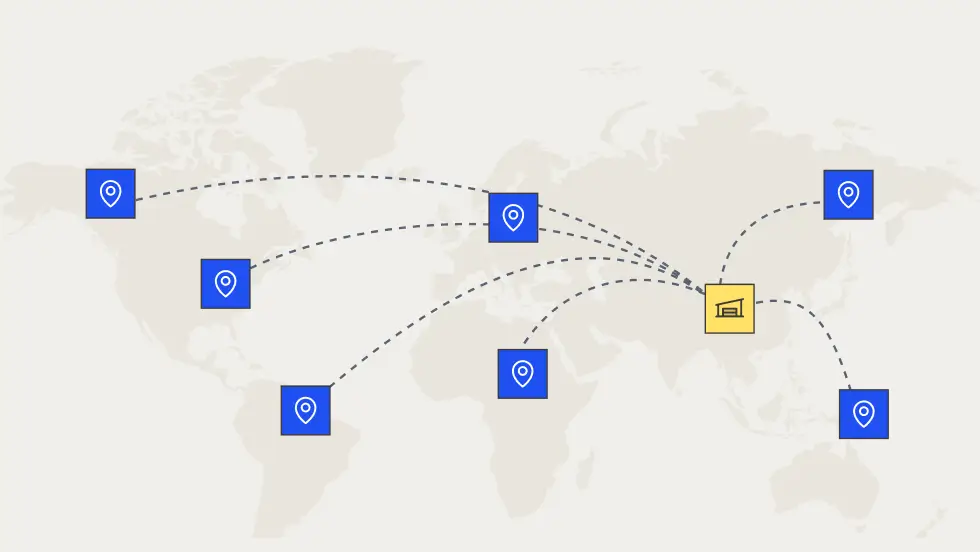
Type 86 made direct fulfillment from Asia economically viable at scale. Shein, Temu, and thousands of DTC brands built their cross-border models on the back of fast, duty-free, electronically-cleared shipments entering through Section 321 channels.
The benefits to a brand running direct fulfillment:
- No duty on individual customer shipments under $800, when applicable
- Faster clearance than formal entries that require paper documentation
- Lower per-unit landed cost, since duty isn't baked into COGS
- No need to pre-pay duties on bulk inventory sitting in a domestic warehouse
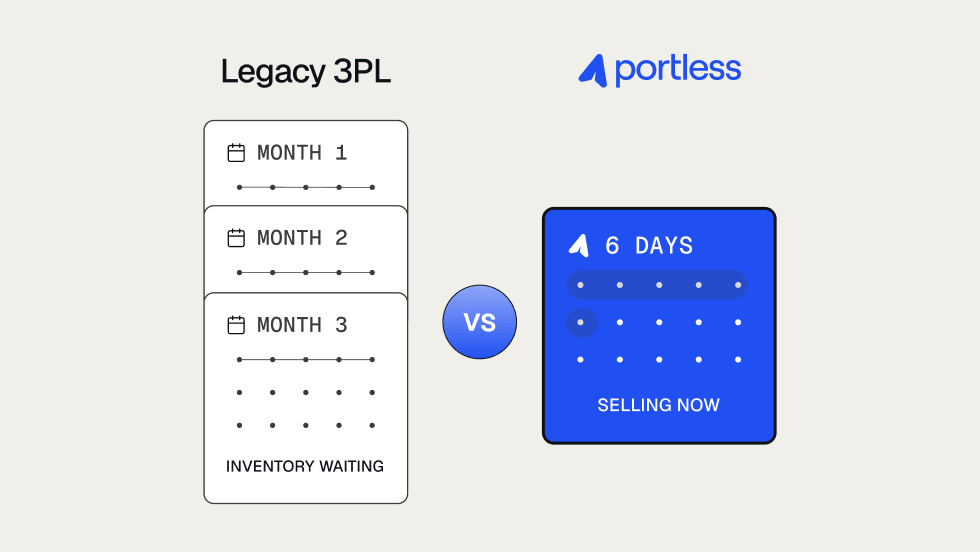
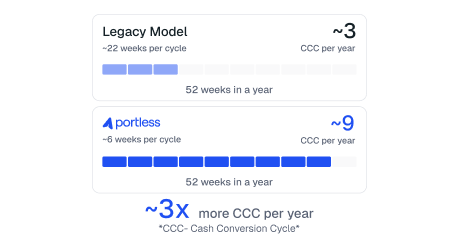
Compare this to the legacy model: bulk ocean freight into a US 3PL, with duties paid upfront on every unit, whether or not it sells. The difference shows up directly in cash flow and working capital tied up in inventory.
What's changing with Type 86 and Section 321
The regulatory landscape has shifted. In 2024 and 2025, the US government issued executive actions narrowing the scope of Section 321 — most notably removing de minimis eligibility for goods from China and Hong Kong subject to Section 301 tariffs, and later for broader categories. CBP has also tightened Type 86 filing requirements and increased enforcement on misclassified or undervalued shipments.
The practical implications for DTC brands:
- HS code accuracy is non-negotiable. Misclassification used to be a minor risk. Now it's a path to penalties or shipment seizure.
- Duty exposure is real. Brands that built models assuming permanent duty-free entry need to model landed cost under the new rules.
For brands shipping from China, this has made the DDP shipping model more important — duties are calculated and paid at the point of fulfillment rather than absorbed as a surprise at the door.
Type 86 filing checklist
If you're a brand using Type 86 (typically via your customs broker or fulfillment partner), here's what needs to be in place:
- Confirm goods are valued at $800 or less per shipment, per recipient, per day
- Confirm goods are eligible for Section 321 under current regulations (check country of origin and applicable tariffs)
- Assign an accurate HS code to every SKU — don't guess
- Identify any PGA requirements that apply (FDA for cosmetics, CPSC for children's products, etc.)
- Ensure your broker has an active ACE account and is set up to file Type 86 electronically
- Retain filing records for at least five years per CBP requirements
How Type 86 fits into a direct fulfillment model
Type 86 is one of the customs mechanisms that makes direct-to-consumer (DTC) shipping from manufacturers in Asia to US customers possible in five to eight days, instead of the 60+ days the legacy bulk freight model takes. At Portless, we handle the customs filing layer — including Type 86 where applicable — alongside DDP-based duty handling, so brands don't have to navigate ACE filings, broker relationships, or PGA compliance on their own. Contact us to see how direct fulfillment changes your customs exposure and unit economics.
← Back to the Ecommerce supply chain glossary